
What's Happening?
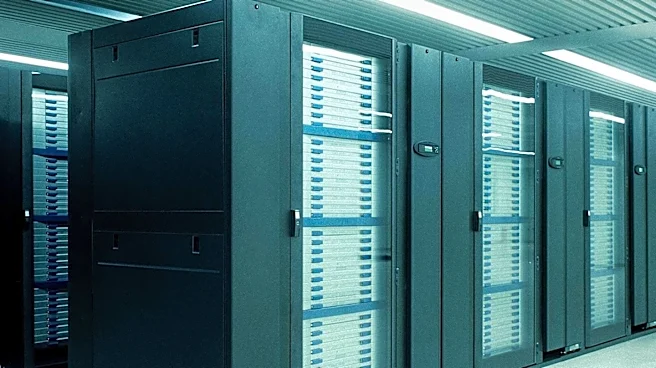
Jim Cramer, host of CNBC's 'Mad Money,' has stated that the data center investment thesis is undergoing a significant shift due to increasing political and community pushback against new projects. Governors
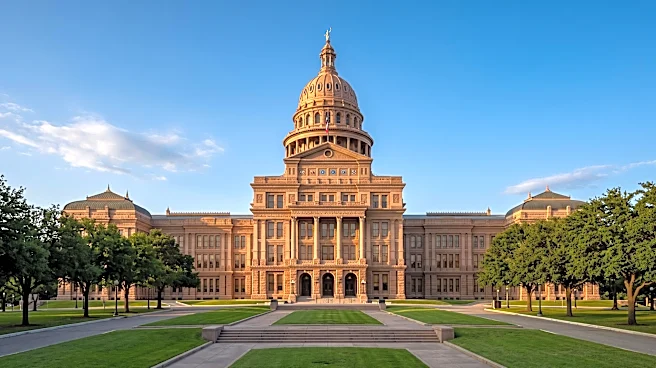
in states like Pennsylvania and Texas, who previously supported data center development, are now calling for stricter requirements, citing concerns over electricity costs and water usage. This regulatory tightening and community opposition are making the unbridled expansion of data centers less likely. Cramer suggests that while the underlying demand for data centers remains strong, the changing environment may deter investors from paying premium valuations for companies that benefit from data center construction, such as gas turbine makers and memory companies.
Why It's Important?
This shift in the data center landscape has significant implications for the U.S. business and technology sectors. The increased regulatory scrutiny and community resistance could slow down the development of critical infrastructure needed to support the booming artificial intelligence industry. This could lead to higher costs for data center operators as they navigate more complex approval processes and potentially invest in mitigating environmental impacts. For investors, it signals a re-evaluation of data center-related stocks, with a potential move away from speculative developers and towards larger, more established tech giants. The situation highlights the growing tension between rapid technological advancement and local environmental and resource concerns, forcing a more sustainable and community-conscious approach to infrastructure development.
What's Next?
Cramer predicts that the changing environment will benefit hyperscale cloud providers like Amazon, Alphabet, Microsoft, and Meta. These companies possess the financial resources to meet tougher regulatory and community requirements, such as compensating local communities and investing in more sustainable practices. This could give them a competitive advantage over smaller, speculative data center developers who may struggle to afford such measures. The political backlash might also reduce competition for land, labor, and electricity, potentially lowering costs for these larger players as they continue to build out their AI infrastructure. Investors are advised to consider this shift, as the 'winners' in the data center trade may increasingly be the well-capitalized tech giants capable of navigating the new regulatory landscape.
Beyond the Headlines
The political and community pushback against data centers reflects a broader societal reckoning with the environmental footprint of the digital age. As AI and other data-intensive technologies become more prevalent, the demand for energy and water to power and cool these facilities will continue to grow, exacerbating concerns about resource scarcity and climate change. This situation could spur innovation in energy-efficient data center designs, renewable energy integration, and advanced cooling technologies. It also underscores the importance of corporate social responsibility and community engagement for tech companies. The long-term implications could include a more decentralized approach to data center placement, greater investment in local energy grids, and potentially new regulatory frameworks that balance technological progress with environmental stewardship and community well-being. This trend could redefine the relationship between technology infrastructure and local governance.