
What's Happening?
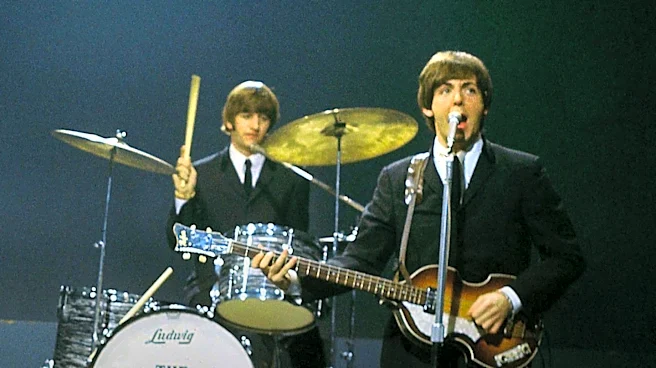
The Beatles' album 'Revolver,' released in 1966, remains a cultural touchstone, celebrated for its innovative sound and enduring appeal. The album's influence is evident in its widespread listening across
various contexts, from personal experiences to public spaces. 'Revolver' is noted for its experimental approach, incorporating Indian music influences and groundbreaking production techniques. The album's tracks, such as 'Eleanor Rigby' and 'Tomorrow Never Knows,' continue to captivate audiences, illustrating the timeless nature of The Beatles' music.
Why It's Important?
'Revolver' is a testament to The Beatles' impact on music and culture, showcasing their ability to transcend time and resonate with diverse audiences. The album's continued popularity highlights the band's role in shaping modern music and influencing countless artists. Its innovative use of studio technology and exploration of new musical styles set a precedent for future generations. The album's legacy underscores the importance of artistic experimentation and the enduring power of music to connect people across different eras.
Beyond the Headlines
The cultural significance of 'Revolver' extends beyond its musical achievements. It reflects a period of social change and artistic exploration during the 1960s. The album's themes and sounds capture the spirit of the era, offering insights into the cultural and historical context of its creation. As listeners continue to discover and reinterpret 'Revolver,' it serves as a bridge between past and present, illustrating the evolving relationship between music and society.