




What's Happening?
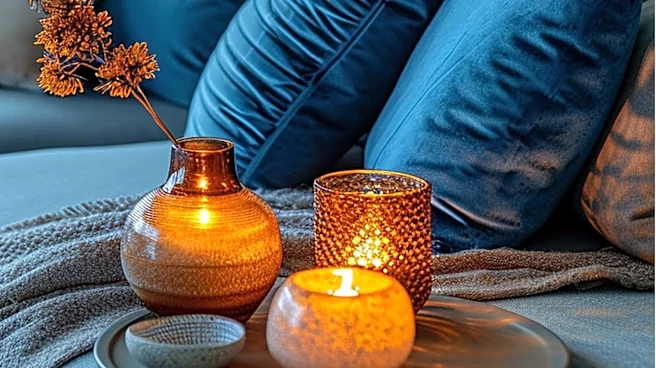
Hygge, a Danish concept, is gaining recognition for its focus on creating a cozy atmosphere that fosters comfort and contentment. According to Piers Dickinson, founder of Hyde and Hare, hygge is less about a specific aesthetic and more about a feeling,
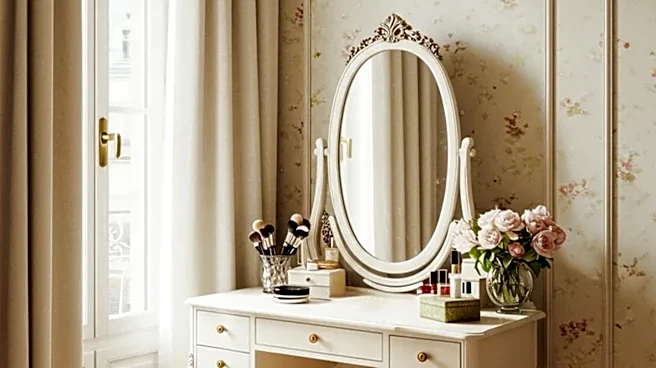
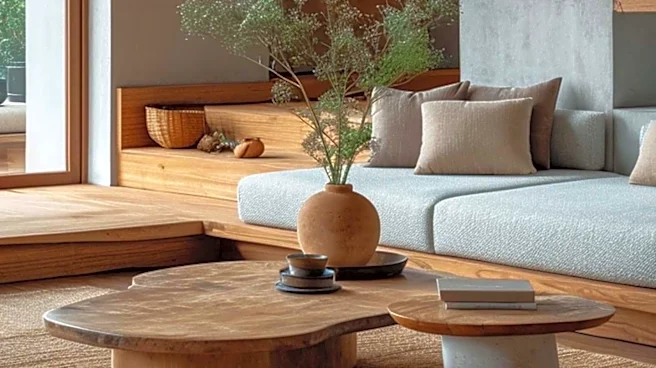
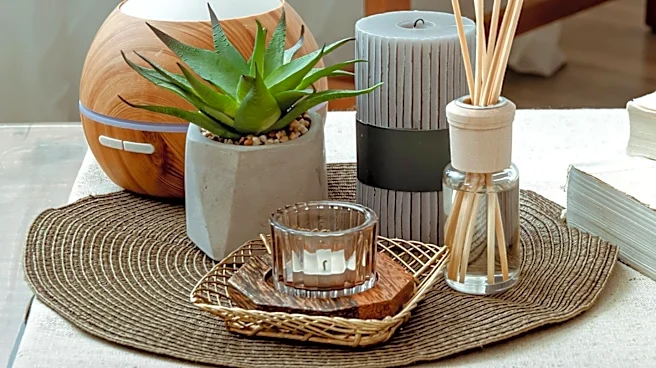
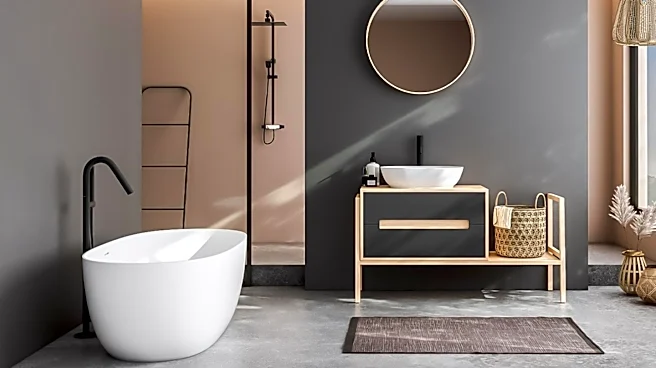
characterized by elements like soft candlelight and the warmth of a favorite blanket. It prioritizes presence over pace and quality over quantity, encouraging individuals to appreciate simple, everyday moments. While often associated with winter, Dickinson notes that hygge is not merely a seasonal trend but addresses a fundamental human need for sanctuary, togetherness, and genuine comfort in an increasingly busy and screen-dominated world. Interior designers are incorporating these principles by using calm palettes, tactile natural materials, and layered lighting to create inviting and functional spaces.
Why It's Important?
The growing emphasis on hygge reflects a broader societal shift towards prioritizing well-being and mental health in the U.S. and globally. In a fast-paced, digitally saturated environment, the desire for comfort, connection, and a sense of sanctuary at home is becoming increasingly vital. This trend impacts various industries, from interior design and home goods to hospitality and even digital entertainment, as companies seek to cater to consumers' yearning for coziness and mindfulness. For individuals, embracing hygge can lead to reduced stress, improved mood, and a greater appreciation for simple pleasures, fostering a more balanced and fulfilling lifestyle. The enduring appeal of hygge suggests a lasting consumer demand for products and experiences that promote a sense of calm and belonging.
What's Next?
The principles of hygge are likely to continue influencing consumer choices and design trends across multiple sectors. We can expect to see more products and services marketed with an emphasis on comfort, natural materials, and creating inviting atmospheres. This could include a rise in demand for sustainable and ethically sourced home furnishings, smart lighting solutions that mimic natural light, and even architectural designs that prioritize cozy nooks and communal spaces. Businesses in the wellness and lifestyle industries may further integrate hygge concepts into their offerings, from curated home decor boxes to experiences designed to promote relaxation and connection. The concept's adaptability suggests it will remain a relevant framework for personal and commercial endeavors focused on enhancing quality of life.
Beyond the Headlines
Beyond its aesthetic and commercial implications, the embrace of hygge points to a deeper cultural yearning for authenticity and human connection. In an era marked by increasing isolation and digital detachment, hygge offers a counter-narrative, advocating for intentional living and the cultivation of meaningful relationships. It challenges the consumerist drive for constant novelty and external validation, instead promoting an appreciation for the intrinsic value of comfort, simplicity, and shared moments. This philosophical underpinning suggests that hygge is more than just a trend; it's a response to the psychological demands of modern life, encouraging a re-evaluation of what truly contributes to happiness and well-being.