







What's Happening?
The number of Americans filing for unemployment benefits decreased by 2,000 to a seasonally adjusted 215,000 for the week ending July 4, according to the Labor Department. This decline supports the view that the labor market remains stable despite a slowdown
in job growth in June. Unadjusted claims rose slightly, influenced by seasonal factors such as school holidays and temporary shutdowns in the automotive industry. Despite these fluctuations, the overall trend in jobless claims suggests a stable labor market, with economists noting that recent increases were likely due to seasonal adjustments rather than a rise in labor market slack.
Why It's Important?
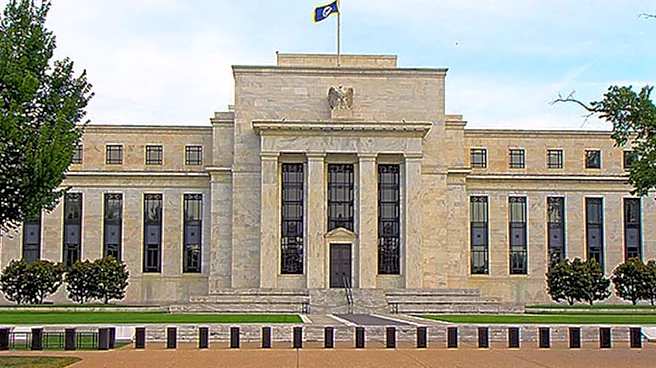
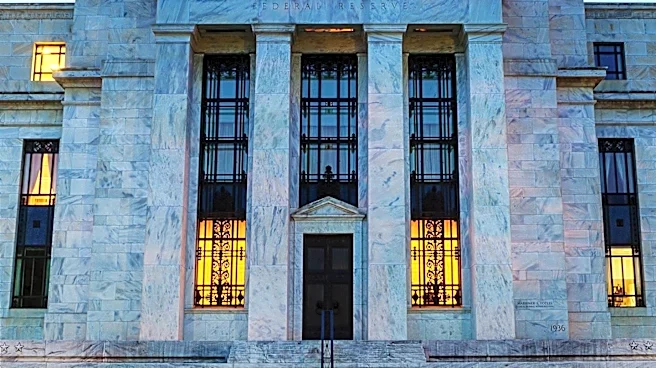
The stability in jobless claims amidst a slowdown in job growth highlights the resilience of the U.S. labor market. This stability is crucial for maintaining consumer confidence and economic growth. The Federal Reserve's recent meeting minutes indicate concerns about inflation and the potential impact of geopolitical developments on hiring. However, the low level of jobless claims suggests that layoffs are not increasing significantly, which is a positive sign for the economy. The labor market's performance will be a key factor in shaping future economic policies and business strategies.
What's Next?
Looking ahead, the labor market is expected to remain stable, with layoffs likely to stay low. However, geopolitical tensions and economic uncertainties could influence hiring decisions. The Federal Reserve's approach to interest rates and inflation will be critical in determining the labor market's future trajectory. Businesses and policymakers will need to remain vigilant and responsive to these dynamics to ensure continued economic stability and growth.