



What's Happening?
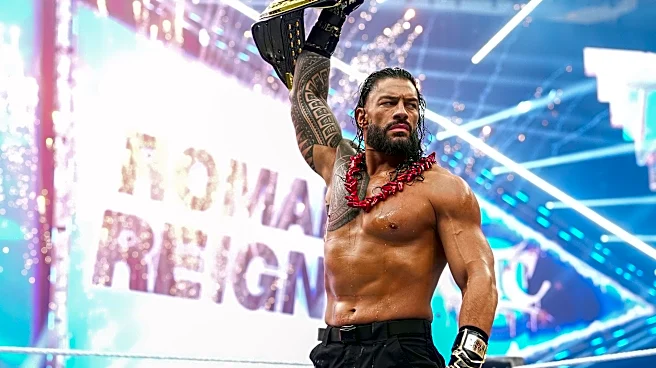
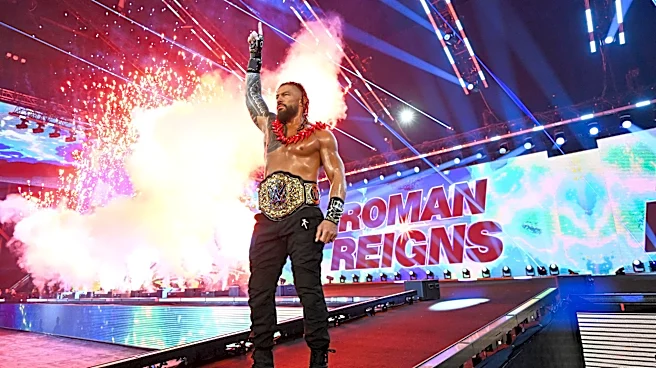
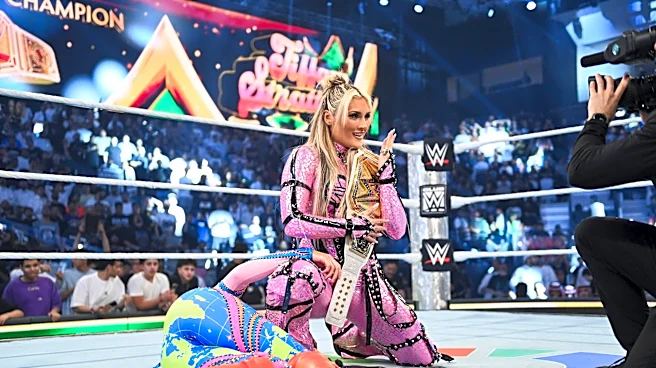
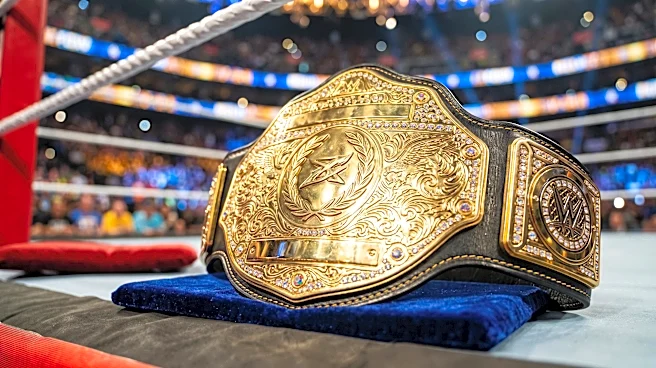
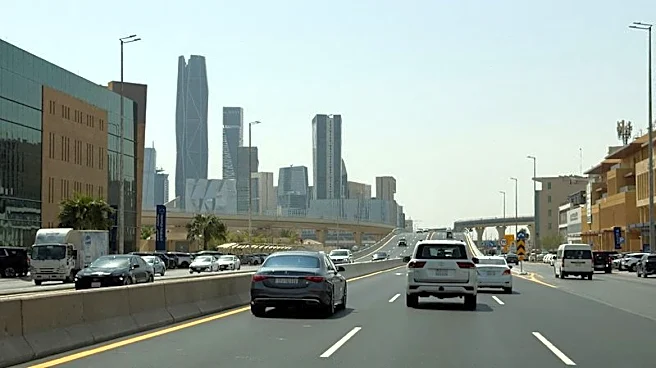
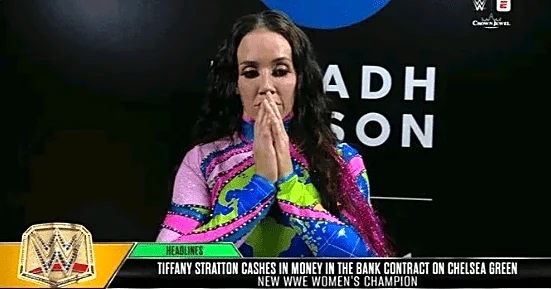
TKO Group Holdings, the parent company of WWE and UFC, is proceeding with multiple events in Saudi Arabia despite escalating military conflict and employee safety concerns. On November 7, WWE held its 'Crown Jewel' event in Riyadh, and a missile attack
targeting the city's financial district occurred hours after the event, damaging the Aramco building. While WWE personnel had reportedly departed, some TKO workers expressed frustration and fear for their safety, citing a perceived prioritization of profit over well-being. Other sports events, such as the Six Kings Slam tennis tournament and the PIF Saudi International golf tournament, have been postponed due to the security situation. However, TKO has continued with its scheduled events, including a Zuffa Boxing event on November 14 and a UFC Fight Night on December 5, leading to internal discontent among employees who feel their concerns are being disregarded.
Why It's Important?
This situation highlights a significant ethical and operational dilemma for TKO Group Holdings and other international businesses operating in regions with geopolitical instability. The decision to continue events despite security threats raises questions about corporate responsibility, employee welfare, and the balance between financial gain and safety. For TKO, the lucrative site fees from Saudi Arabia are a major driver, contributing significantly to their financial targets, including a projected $5.83 billion revenue for the year. However, the discontent among employees, who feel pressured to work in what they perceive as a 'war zone,' could lead to morale issues, potential staff turnover, and reputational damage. The contrast with other sports organizations that have postponed events further underscores the perceived risk-taking by TKO, potentially impacting its brand image and future talent acquisition.
What's Next?
TKO Group Holdings has not announced any plans to move or postpone upcoming events in Saudi Arabia, including the Zuffa Boxing event on November 14 and a UFC Fight Night on December 5. Employees are reportedly considering refusing to travel, though fear of reprisal, including job loss, is a significant deterrent. TKO President and Chief Operating Officer Mark Shapiro stated that while business is secondary to safety, the company would only cancel events in the face of 'danger or a further escalation.' However, with Houthi attacks described as 'near-daily,' the threshold for cancellation remains unclear to many employees. The situation could escalate if more significant incidents occur, potentially forcing TKO to reconsider its stance or face increased public and internal pressure. The long-term implications for TKO's relationship with its workforce and its operational strategies in high-risk regions are yet to be fully seen.
Beyond the Headlines
The ongoing situation with TKO Group Holdings in Saudi Arabia reflects a broader trend of global corporations navigating complex geopolitical landscapes for economic opportunities. This scenario brings to light the ethical considerations of 'sportswashing,' where major sporting events are used to enhance a nation's international image, potentially overshadowing human rights concerns or regional conflicts. The internal dissent within TKO also points to a growing tension between corporate profit motives and employee well-being in a globalized economy. The willingness of some employees to consider refusing travel, despite potential job loss, indicates a shift in worker expectations regarding safety and corporate accountability. This could set a precedent for how employees in other industries respond to similar situations, potentially influencing future corporate policies on international operations in volatile regions.