







What's Happening?
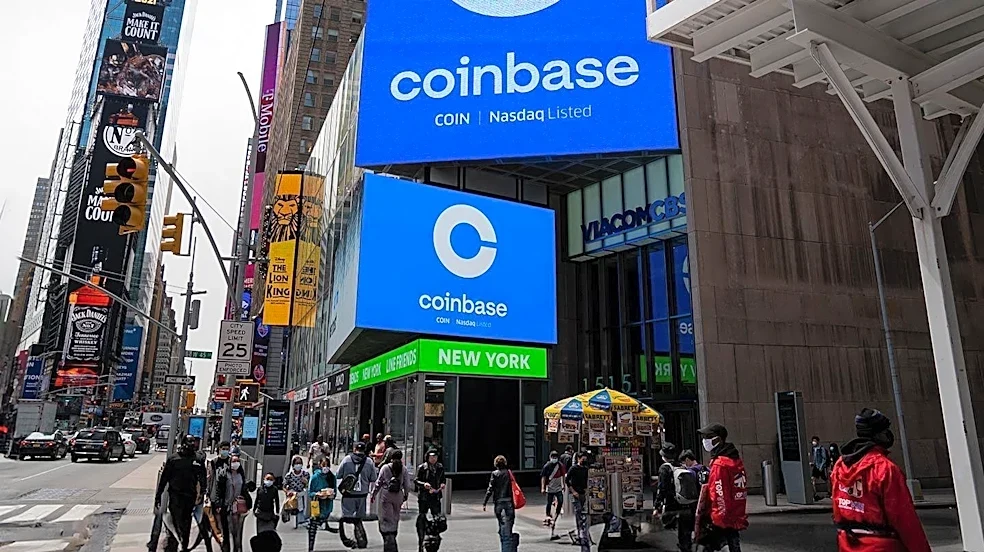
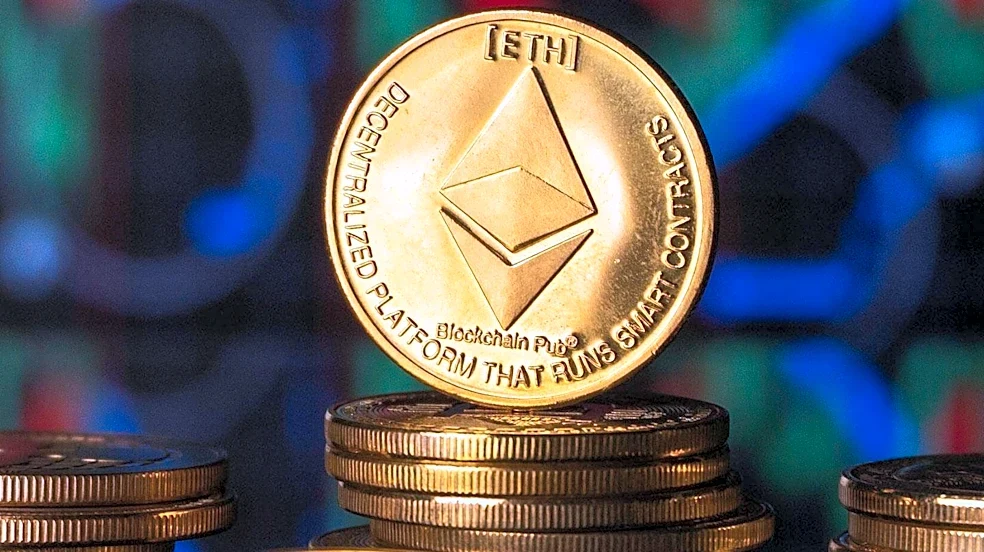
JPMorgan has launched its deposit token, JPM Coin, on the public Ethereum blockchain, marking a significant expansion of its blockchain payment initiatives. Previously, JPM Coin was available on Base, a Coinbase-affiliated chain, which has a smaller user
base compared to Ethereum. This move allows institutional clients, particularly Web3 businesses and crypto-native firms, to utilize JPM Coin for digital treasury operations and as a cash leg for tokenized transactions. The bank views this as a crucial step towards integrating traditional finance with the crypto ecosystem, enabling more efficient settlement for tokenized assets like funds or stocks. Unlike other stablecoins, JPM Coin is exclusively for institutional use, differentiating it from retail-accessible digital currencies. This development highlights JPMorgan's accelerated efforts in blockchain and tokenization within its Connexus division, a unit dedicated to blockchain payments.
Why It's Important?
This expansion of JPM Coin to Ethereum is important because it signifies a growing convergence between traditional Wall Street institutions and the public blockchain space. By leveraging Ethereum, a widely adopted and established blockchain, JPMorgan is providing its institutional clients with a more robust and accessible platform for digital asset transactions. This could accelerate the adoption of tokenized assets and blockchain-based settlements within the financial industry, as a major bank is now offering a regulated form of digital cash on a public network. The move could also set a precedent for other large financial institutions to explore similar integrations, potentially driving further innovation and efficiency in global payments and asset management. For crypto-native firms, it offers a more familiar and integrated way to interact with traditional banking services, bridging a gap that has historically existed between the two sectors.
What's Next?
The integration of JPM Coin with Ethereum is expected to facilitate broader adoption of tokenized transactions among JPMorgan's institutional clients. This could lead to increased demand for blockchain-based financial services and potentially encourage other major banks to follow suit, further legitimizing public blockchains for enterprise use. JPMorgan's Connexus division will likely continue to expand its blockchain offerings, exploring new use cases and integrations within the digital asset ecosystem. The bank may also focus on enhancing the functionalities of JPM Coin to support a wider range of tokenized assets and complex financial operations. Furthermore, this move could influence regulatory discussions around digital currencies and blockchain technology, as traditional financial institutions increasingly engage with public networks, potentially prompting clearer guidelines and frameworks for such activities.
Beyond the Headlines
This development extends beyond a mere technological upgrade; it represents a significant shift in how traditional finance perceives and interacts with decentralized technologies. JPMorgan's embrace of Ethereum, a public and permissionless blockchain, challenges the long-held skepticism of major banks towards open networks. It suggests a recognition that the efficiencies and interoperability offered by public blockchains are becoming indispensable for the future of finance. This could lead to a re-evaluation of proprietary blockchain solutions versus public ones across the industry. Ethically, it raises questions about the balance between centralized control (JPMorgan's JPM Coin) and decentralized principles (Ethereum), and how these two paradigms will coexist and influence each other. Legally, it may prompt regulators to develop more nuanced frameworks that accommodate the use of regulated digital currencies on public, global networks, potentially shaping the future of digital asset regulation.