


What's Happening?
A significant debate is unfolding among golfers, particularly mid-handicappers, regarding the optimal club choice between a mini driver and a 3-wood. This discussion, highlighted in the Golf Monthly forums, comes as the popularity of mini drivers continues
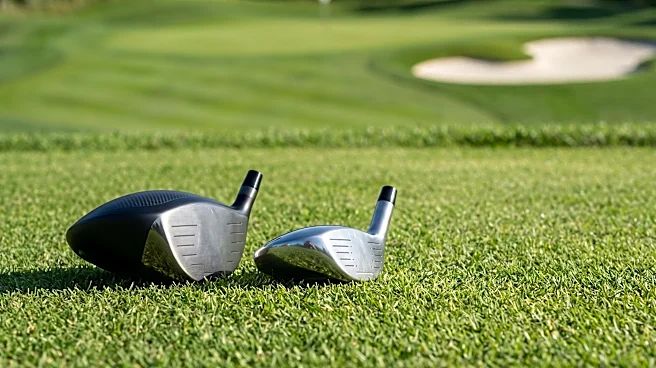
to grow. Mini drivers are designed to bridge the gap between a traditional driver and a 3-wood, typically featuring a smaller head and a shorter shaft. Forum members are sharing their experiences and opinions, with some finding mini drivers effective off the tee and even from the deck, while others argue that modern mini drivers are not true 3-wood alternatives due to their deeper faces. The consensus is that there is no single 'right' answer, as individual player characteristics, face depth, and turf interaction largely determine which club is best suited for a golfer's bag.
Why It's Important?
This ongoing debate is important for the golf industry and recreational golfers alike. For manufacturers, it signals a growing demand for specialized clubs that cater to specific player needs, potentially driving innovation in club design. The rise of the mini driver suggests a market segment seeking alternatives to traditional drivers, perhaps due to challenges with accuracy or control. For mid-handicappers, who represent a large portion of the golfing population, optimizing club selection can significantly impact their game, leading to improved performance and enjoyment. The discussion also highlights the role of online forums and communities in shaping consumer preferences and influencing purchasing decisions within the sports equipment market. Understanding these trends can help golf retailers and coaches better advise their clients on equipment choices, ultimately enhancing the overall golfing experience.
What's Next?
The trend of mini drivers gaining traction is likely to continue, prompting golf equipment manufacturers to further refine and diversify their offerings in this category. We can expect to see new models of mini drivers with varying face depths, shaft lengths, and adjustability features designed to appeal to a wider range of golfers. The debate within golfing communities will also persist, with more players experimenting with mini drivers and sharing their findings. This could lead to a clearer understanding of which player profiles benefit most from these clubs. Golf instructors and coaches may begin to incorporate mini driver fitting into their lessons, helping players make informed decisions. Ultimately, the market will likely see a more defined niche for mini drivers, potentially solidifying their place in many golfers' bags alongside or in place of traditional 3-woods.
Beyond the Headlines
Beyond the technical aspects of club design and performance, this debate touches on the broader psychological and strategic elements of golf. The choice between a mini driver and a 3-wood often reflects a golfer's confidence level, risk assessment, and strategic approach to different holes. For many mid-handicappers, the perceived difficulty of hitting a traditional driver accurately can lead to a search for more forgiving alternatives, even if it means sacrificing some distance. The mini driver, by offering a blend of distance and control, taps into this psychological need. This trend also highlights the continuous evolution of golf equipment, driven by both technological advancements and player demand for clubs that make the game more accessible and enjoyable. It underscores how even subtle changes in equipment can influence playing styles and strategic thinking on the course, reflecting a deeper engagement with the sport's nuances.