





What's Happening?
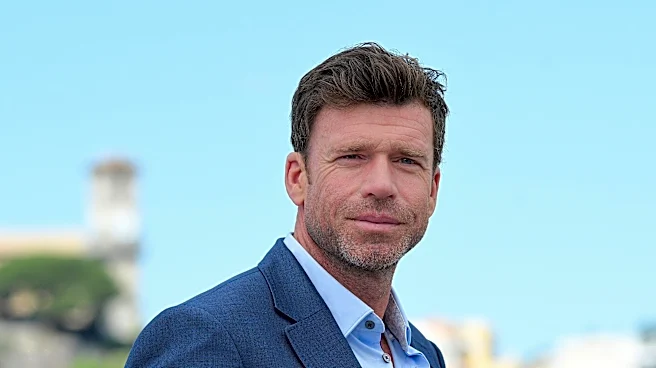
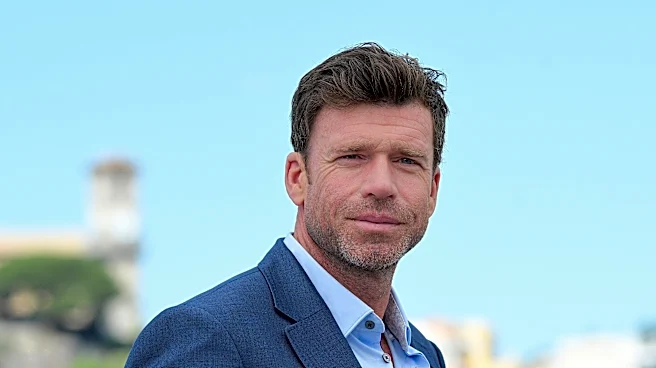
Taylor Sheridan, the creator behind the 'Yellowstone' franchise and other popular television series, has publicly defended the substantial budgets allocated to his productions. Speaking to Yahoo Finance, Sheridan stated his commitment to creating 'premium
products' that resemble movies rather than traditional TV shows. He emphasized that his experience in directing and producing films has shaped his approach, leading him to prioritize cinematic quality for his television projects. Sheridan's extensive portfolio includes 'Yellowstone,' its prequels '1883' and '1923,' and other hits like 'Mayor of Kingstown,' 'Tulsa King,' 'Lioness,' 'Landman,' and 'The Madison.' He noted that his method of production often presents a challenge for studios due to the associated costs, but he maintains that he only knows 'how to do it one way.'
Why It's Important?
Sheridan's stance on high production values has significant implications for the television industry, particularly in the U.S. market. His success with critically acclaimed and commercially popular shows demonstrates that audiences are willing to invest their time in series that offer a cinematic experience. This trend could push other production companies and streaming platforms to increase their own budgets to remain competitive, potentially leading to a new era of high-quality, visually stunning television content. For viewers, this means a richer and more immersive viewing experience, but it also raises questions about the sustainability of such expenditures and the potential for smaller, independent productions to compete. The emphasis on 'premium products' could also influence talent acquisition, as top actors, directors, and crew members may gravitate towards projects that offer greater creative scope and resources.
What's Next?
Sheridan's upcoming deal with NBCUniversal, set to commence in 2029, reportedly involves the creation of 20 shows. He clarified that this agreement includes no 'output minimums,' granting him creative freedom to produce as many or as few projects as he desires. This arrangement suggests a continued focus on quality over quantity, allowing him to pursue projects that genuinely excite him, including potential new Westerns and other stories that require advanced technology. The success of this model could set a precedent for how major studios negotiate with high-profile creators, potentially shifting power dynamics in favor of talent who consistently deliver successful content. The industry will be watching to see if Sheridan's approach continues to yield hits and if other creators will follow suit in demanding similar creative and financial autonomy.
Beyond the Headlines
Sheridan's philosophy of 'I've never had a show cancelled. I've never had a show that wasn't produced. Every show I've ever made was a hit,' highlights a deeper shift in the entertainment landscape. In an era of content saturation, creators with a proven track record of success gain significant leverage. This allows them to dictate terms, including budget and creative control, which can lead to more distinctive and auteur-driven television. However, it also raises questions about risk aversion within studios, as they may become increasingly reliant on a few proven showrunners, potentially stifling opportunities for emerging talent. The long-term impact could be a more stratified industry, where a handful of 'premium product makers' command vast resources, while others struggle to secure funding for projects that don't fit the 'cinematic TV' mold.