






What's Happening?
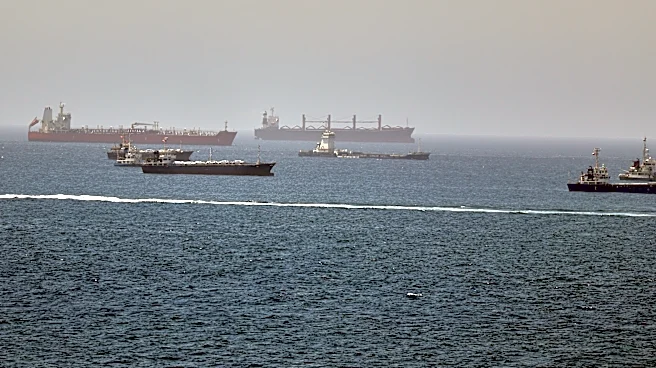
June 2026 marked a significant period for global energy markets, driven by geopolitical tensions surrounding the Strait of Hormuz. The month began with fears of supply disruptions due to military escalations and potential closure of this critical energy corridor.
However, by the end of June, diplomatic efforts led to the gradual reopening of shipping lanes, stabilizing oil prices. Despite this, underlying issues such as tight inventories, growing LNG demand, and increased electricity consumption due to AI advancements remained. The energy sector saw continued investment in long-term infrastructure, highlighting the strategic importance of energy security.
Why It's Important?
The events of June underscore the vulnerability of global energy markets to geopolitical risks and the critical role of secure supply routes. The reopening of the Strait of Hormuz alleviated immediate concerns, but the persistent tight supply and growing demand for LNG and electricity indicate ongoing challenges. The situation highlights the need for diversified energy sources and resilient infrastructure to mitigate future disruptions. The focus on long-term investments reflects a strategic shift towards ensuring energy security and meeting the rising demand driven by technological advancements.
What's Next?
As the energy markets stabilize, stakeholders will likely continue to monitor geopolitical developments and their potential impact on supply chains. The emphasis on long-term investments in LNG, renewable energy, and infrastructure will persist as companies seek to enhance resilience and capitalize on emerging opportunities. Policymakers may also prioritize regulatory frameworks that support energy security and sustainability. The evolving landscape presents both challenges and opportunities for the energy sector, with a focus on balancing immediate needs with future demands.