



What's Happening?
Loewe, the Spanish luxury fashion house founded in 1846, has announced the appointment of a new Head of VIP. This role, based in Paris, will be responsible for leading the company's global VIP and talent strategy. The individual will focus on building
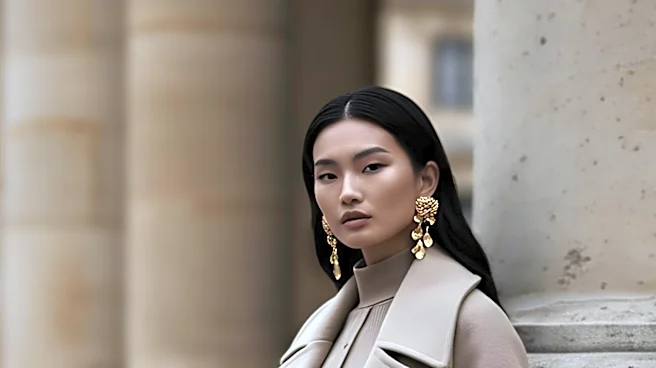
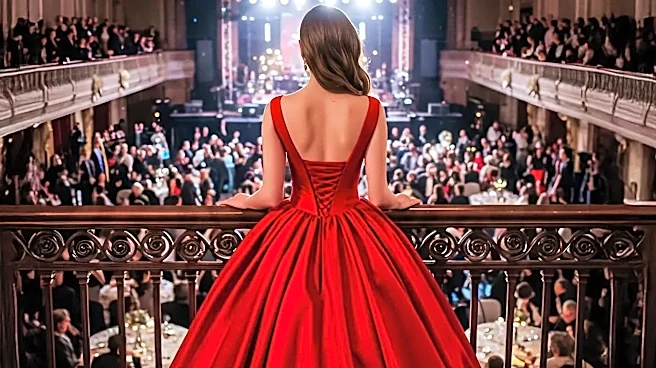
meaningful relationships with established and emerging talents and strengthening Loewe's presence across key cultural moments worldwide. The Head of VIP will define and lead the global VIP and talents strategy in line with the House’s creative vision and communication priorities. This includes building an international network of talents, stylists, agents, and managers, and identifying emerging profiles across film, music, art, and contemporary culture. The role also encompasses leading celebrity dressing, red carpet events, gifting, and product placement, ensuring strong execution in partnership with internal teams and talent representatives. Additionally, the Head of VIP will develop talent partnerships and activations, such as Friends of the House, ambassadors, and paid collaborations, with an emphasis on cultural relevance and long-term relationship building. The position also involves driving global coordination and budget management, setting priorities across markets, and advising the Global Communications Director on talent strategy.
Why It's Important?
This strategic appointment by Loewe underscores the increasing importance of celebrity and influencer engagement in the luxury fashion industry. By centralizing its VIP and talent strategy under a dedicated global head, Loewe aims to enhance its brand visibility and cultural relevance on an international scale. This move is crucial for maintaining competitiveness in a market where consumer perception is heavily influenced by endorsements and associations with high-profile individuals. The focus on identifying emerging talents suggests a forward-looking approach to brand positioning, aiming to connect with diverse audiences and stay ahead of evolving cultural trends. For the U.S. market, this could translate into more targeted celebrity collaborations and increased brand presence at major cultural events, potentially boosting sales and brand recognition among American consumers. The emphasis on long-term relationship building with talents indicates a shift towards more authentic and sustained partnerships, which can yield greater returns than one-off endorsements. This strategy could also influence how other luxury brands approach their talent engagement, setting a new benchmark for global VIP relations.
What's Next?
The newly appointed Head of VIP will be tasked with immediately implementing Loewe's global VIP and talent strategy from their Paris base. This will involve establishing and nurturing a robust international network of talents, stylists, agents, and managers, with a particular focus on identifying emerging profiles in film, music, art, and contemporary culture. We can anticipate an increase in Loewe's presence at major red carpet events, celebrity dressing opportunities, and product placements across various media. The development of new talent partnerships, including 'Friends of the House' and brand ambassadors, is also expected to be a key initiative. These collaborations will likely prioritize cultural relevance and long-term engagement to maximize impact. The role will also involve significant budget management and global coordination to ensure that investments in talent strategy align with Loewe's overall strategic objectives. The Head of VIP will act as a key advisor to the Global Communications Director, shaping the brand's future talent initiatives and partnerships.
Beyond the Headlines
The creation of a dedicated global Head of VIP role by Loewe reflects a broader trend in the luxury sector where brand identity is increasingly intertwined with cultural influence and celebrity endorsement. This move highlights the strategic shift from traditional advertising to more integrated and authentic forms of brand promotion through influential personalities. The emphasis on identifying 'emerging profiles' suggests an effort to connect with younger demographics and tap into new cultural movements, ensuring the brand's longevity and relevance beyond established luxury consumers. This approach also raises questions about the evolving nature of luxury marketing, where the line between art, fashion, and entertainment continues to blur. The success of this strategy will depend not only on securing high-profile collaborations but also on the authenticity and resonance of these partnerships with the brand's core values and artistic sensibility. It underscores the power of cultural capital in driving commercial success in the competitive global luxury market.