




What's Happening?
As the seasons transition from summer to fall, skincare routines require adjustments to combat environmental changes such as dropping humidity and increased indoor heating. These factors contribute to skin dryness, flaking, and a compromised skin barrier.
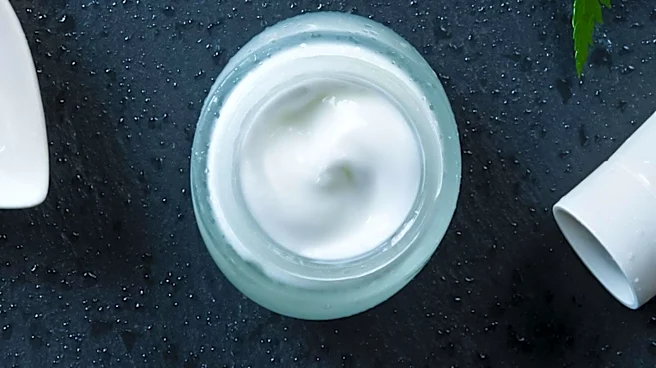
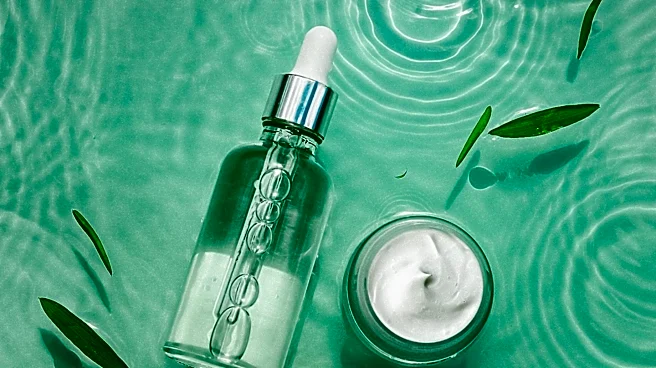
Experts recommend a shift towards richer moisturizers, nourishing serums, and gentle formulas designed to lock in hydration and rebuild the skin's protective layer. This period is also ideal for reintroducing active ingredients like retinol and exfoliating acids, which may have been too intense during the summer months due to increased sun exposure. The core difference between summer and fall skincare lies in their primary focus: summer emphasizes protection and oil control with lightweight textures, while fall prioritizes barrier repair and deep hydration with richer creams and balms. Daily sunscreen remains a non-negotiable element in both seasons, as UV rays continue to impact skin health regardless of temperature.
Why It's Important?
The adaptation of skincare routines to seasonal changes is crucial for maintaining skin health and preventing issues like dryness, irritation, and premature aging. Neglecting to adjust products can lead to a compromised skin barrier, making the skin more susceptible to environmental damage and less effective at retaining moisture. For consumers, understanding these seasonal shifts can lead to more effective product choices, potentially saving money on ineffective treatments and improving overall skin condition. The beauty industry, in turn, benefits from this cyclical demand for different product types, driving innovation in hydrating and reparative formulations. This trend also highlights a broader consumer awareness of personalized skincare, where environmental factors are increasingly recognized alongside individual skin types as key determinants of product efficacy. The emphasis on barrier repair and hydration during fall underscores a preventative approach to skincare, aiming to fortify the skin before winter's harsher conditions set in.
What's Next?
Consumers are expected to continue seeking out products specifically formulated for fall and winter conditions, leading to increased sales in categories like rich moisturizers, hydrating serums, and gentle cleansers. Beauty brands will likely continue to innovate in these areas, focusing on ingredients known for their hydrating and barrier-supporting properties, such as ceramides, hyaluronic acid, and nourishing lipids. There may also be a continued push for educational content from beauty retailers and dermatologists, guiding consumers on how to effectively transition their routines. As awareness grows about the impact of climate on skin, there could be a rise in demand for 'climate-curated' skincare lines that offer solutions tailored to specific environmental conditions, not just skin types. This could lead to more sophisticated product recommendations and a more nuanced approach to seasonal skincare adjustments.
Beyond the Headlines
The evolving understanding of seasonal skincare reflects a broader trend towards holistic and environmentally conscious beauty practices. It highlights the interconnectedness of our bodies with the external environment, moving beyond a one-size-fits-all approach to skincare. This shift also underscores the importance of scientific research in dermatology, as consumers become more informed about ingredients and their functions. Ethically, it encourages brands to develop products that genuinely address specific skin needs rather than relying on generic solutions. Culturally, the emphasis on seasonal adaptation in skincare mirrors similar trends in diet and lifestyle, suggesting a growing desire for harmony with natural cycles. This deeper understanding could also influence product development towards more sustainable and adaptable formulations that cater to diverse climatic conditions, reducing waste and promoting more effective personal care.