







What's Happening?
JBS, the world's largest meat processor, has officially abandoned its target to achieve net-zero greenhouse gas emissions by 2040. Initially announced in 2021, the goal included a 30% reduction in global scope 1 and 2 emissions by 2030. However, the company
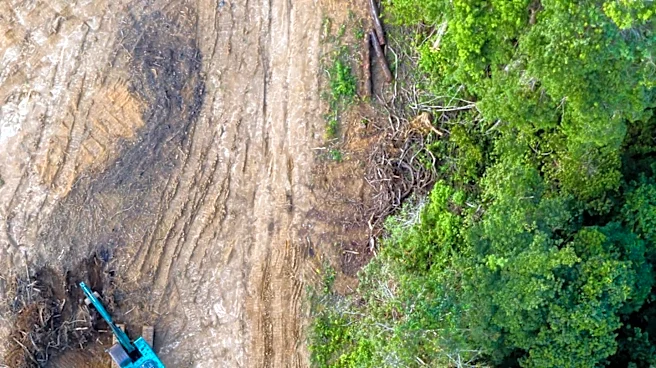
has now removed its scope 3 emissions targets from its sustainability report, which account for the majority of its emissions. JBS's decision has drawn criticism from environmental groups, who accuse the company of failing to address its significant environmental impact, including deforestation and pollution.
Why It's Important?
JBS's decision to abandon its net-zero target raises significant concerns about the meat industry's role in climate change. As a major contributor to global greenhouse gas emissions, the company's move could undermine efforts to combat climate change and set a negative precedent for other companies in the sector. The lack of commitment to reducing scope 3 emissions, which include those from livestock rearing, highlights the challenges in addressing the full environmental impact of meat production. This decision may also affect investor confidence and consumer trust in JBS's sustainability commitments.
What's Next?
JBS may face increased scrutiny from environmental advocacy groups, investors, and regulators. The company will need to address the criticism and demonstrate its commitment to sustainability through other means. This could involve investing in more sustainable practices and technologies, as well as engaging with stakeholders to develop more comprehensive climate strategies. The broader meat industry may also face pressure to enhance transparency and accountability in their environmental impact reporting.