




What's Happening?
Modern home design is increasingly focusing on flexible, multipurpose rooms to accommodate evolving household needs, such as remote work, hobbies, and temporary guest accommodation. This trend moves away from single-function spaces, like formal dining
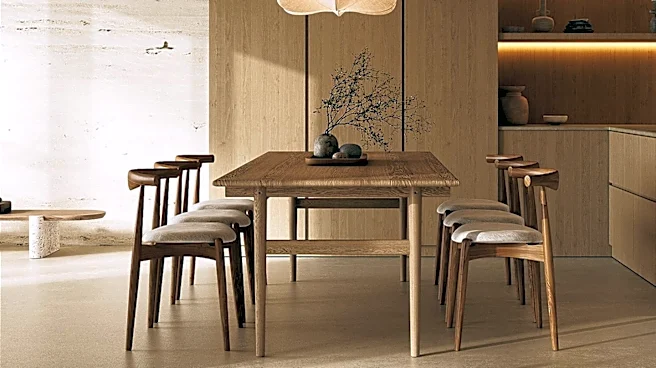
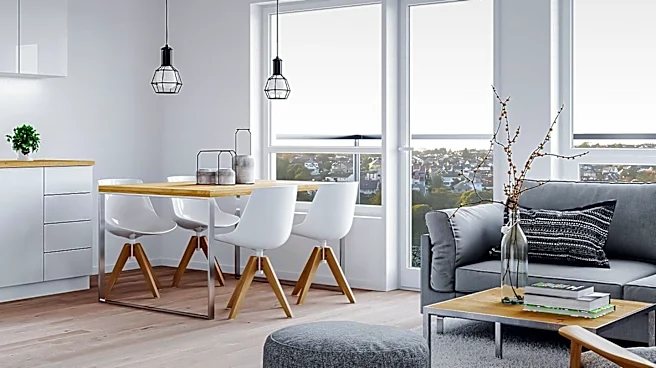
rooms that often sit unused, towards areas that can efficiently transition between different activities. Key elements for successful multipurpose rooms include clear layouts, sufficient circulation, and practical furniture that can adapt. Examples of such furniture include sofa beds, extendable tables, fold-down desks, storage benches, and lightweight movable chairs. The design philosophy emphasizes intentional functionality for each activity, ensuring that furniture, lighting, storage, and circulation work cohesively to prevent clutter. This approach is particularly relevant for smaller homes and in response to rising housing costs, making every square meter more valuable by allowing existing spaces to serve multiple purposes.
Why It's Important?
The shift towards multipurpose rooms reflects significant changes in how U.S. households utilize their living spaces, driven by factors like the rise of remote work and changing family dynamics. This design trend impacts the home furnishing and interior design industries, promoting demand for adaptable and space-saving furniture solutions. For consumers, it offers a practical way to maximize the utility of their homes without the need for costly expansions, potentially making homeownership more accessible or comfortable in urban areas where space is at a premium. The emphasis on organization and efficient transitions between activities also highlights a broader societal value placed on functionality and decluttering in personal environments. This trend could influence future residential architectural designs and urban planning, favoring more flexible and compact living solutions.
What's Next?
The continued evolution of multipurpose room design will likely see further innovations in furniture technology and smart home integration. Manufacturers are expected to develop more sophisticated multifunctional furniture pieces that seamlessly blend different uses, potentially incorporating advanced mechanisms for easy transformation and integrated charging solutions. Interior designers will increasingly specialize in creating adaptable spaces, offering tailored solutions that balance aesthetics with practicality. Homeowners can anticipate a wider array of customizable options for storage, lighting, and room dividers to support various activities. Additionally, as remote work becomes a more permanent fixture for many, the demand for dedicated yet flexible home office solutions within living spaces will continue to grow, influencing product development and design services.
Beyond the Headlines
Beyond the immediate practical benefits, the rise of multipurpose rooms signifies a deeper cultural shift towards more mindful consumption and sustainable living. By optimizing existing spaces, this trend reduces the need for larger homes, potentially lessening environmental impact associated with construction and resource consumption. It also encourages a more minimalist lifestyle, where possessions are carefully chosen for their utility and ability to serve multiple functions, rather than accumulating single-purpose items. Ethically, this approach promotes accessibility and inclusivity in housing, allowing individuals and families with varying needs and financial constraints to create functional and comfortable living environments. The psychological impact of well-designed flexible spaces, reducing clutter and enhancing organization, can also contribute to improved mental well-being and a greater sense of control over one's living environment.