
What's Happening?
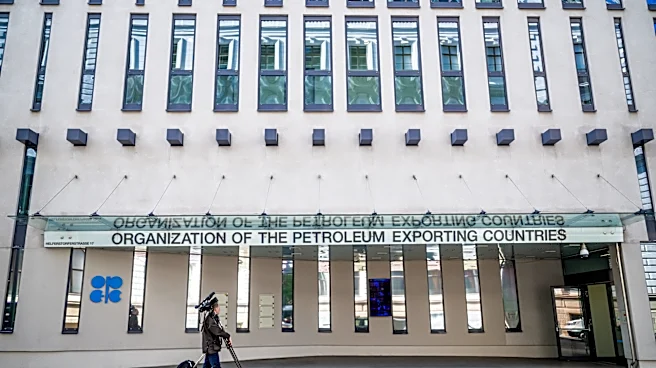
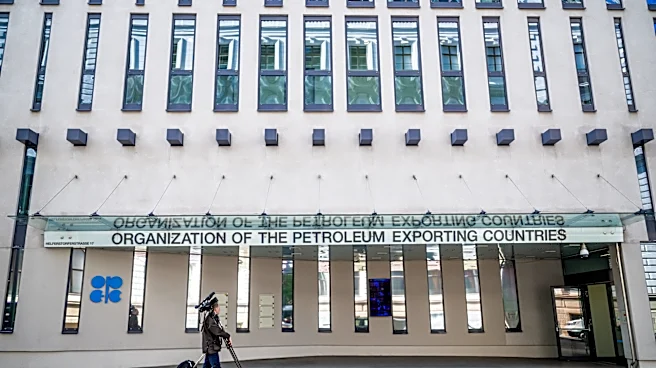
OPEC Secretary General Haitham Al Ghais is slated to deliver a keynote address at Venezuela Energy Week (VEW) 2027, scheduled for February 22–25 in Caracas. During his address, Al Ghais will speak to international
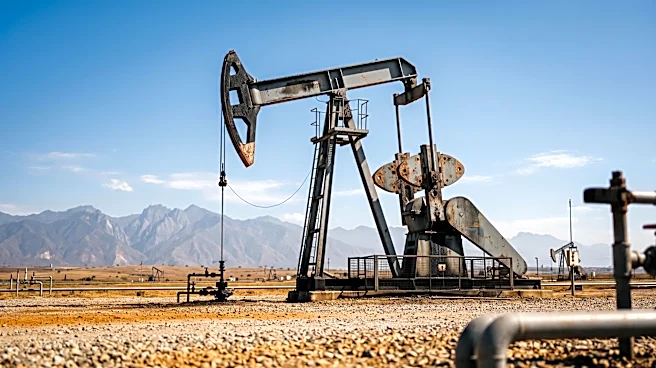
operators and domestic companies actively working to expand Venezuela's oil production. Venezuela, a founding member of OPEC, has deep historical ties to the organization, dating back to its establishment in Baghdad in 1960. The country also hosted OPEC's second summit of heads of state in 2000, and Al Ghais previously visited Caracas in October 2024 to meet with government officials and oil sector workers. Al Ghais's participation at VEW 2027 coincides with a period of steady growth in Venezuelan oil output, as the nation embarks on a new era of hydrocarbon production. Venezuela possesses the world's largest proven crude reserves and reported an output of 1.158 million barrels per day (bpd) in October, according to OPEC's secondary sources. The Venezuelan government has set a target of 1.5 million bpd for 2027, with international partners expanding their operations in the country's oil and gas fields.
Why It's Important?
The participation of OPEC Secretary General Haitham Al Ghais at Venezuela Energy Week 2027 is significant for the U.S. and global energy landscape. Venezuela's efforts to expand its oil production, supported by international partners like Chevron, Shell, and bp, could introduce more crude into the global market. This increased supply could potentially influence international oil prices, which in turn affects gasoline prices for U.S. consumers and operational costs for American businesses. For the U.S., a stable and diverse global oil supply is crucial for energy security. Venezuela's re-emergence as a more substantial oil producer could diversify supply sources, potentially reducing reliance on other regions. However, the political and economic stability of Venezuela remains a factor that could impact the reliability of this supply. The event also highlights the ongoing role of traditional fossil fuels in the global energy mix, even as the U.S. and other nations push for renewable energy transitions. The involvement of major international oil companies underscores the continued investment interest in proven reserves, despite geopolitical complexities.
What's Next?
Venezuela Energy Week 2027, taking place from February 22–25 in Caracas, will serve as a crucial platform for discussions on Venezuela's oil production expansion plans and their integration into the wider global oil supply and demand outlook. OPEC Secretary General Haitham Al Ghais will be joined by Minister of Hydrocarbons Paula Henao, PDVSA representatives, and senior executives from major international oil companies including Chevron, Shell, bp, and UCC Holding. Over the four-day event, plenary and technical sessions will cover key areas such as field development, gas projects, and partnerships between international and Venezuelan companies. The outcomes of these discussions and any announced agreements could directly impact Venezuela's ability to meet its 2027 production target of 1.5 million bpd. The event will also provide insights into the future investment landscape for oil and gas in Venezuela and its potential contribution to global energy markets.
Beyond the Headlines
The renewed focus on Venezuela's oil production, highlighted by the OPEC Secretary General's visit, carries deeper implications beyond immediate supply figures. It signals a potential shift in Venezuela's international standing and its relationship with global energy markets, particularly given past sanctions and political complexities. The involvement of major international oil companies suggests a cautious but growing confidence in the country's operating environment. This development could also spark discussions about the ethical considerations of investing in nations with complex political landscapes, balancing energy security needs with human rights and governance concerns. Furthermore, Venezuela's push to expand production, despite global efforts towards decarbonization, underscores the ongoing tension between short-term energy demands and long-term climate goals. The event could also influence regional power dynamics and economic alliances, as Venezuela seeks to leverage its vast oil reserves for national development and international influence.