





What's Happening?
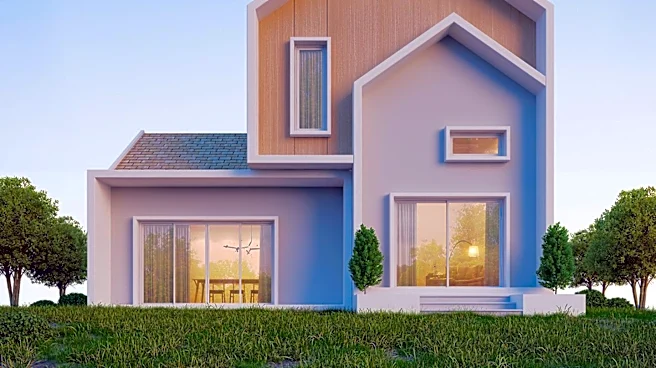
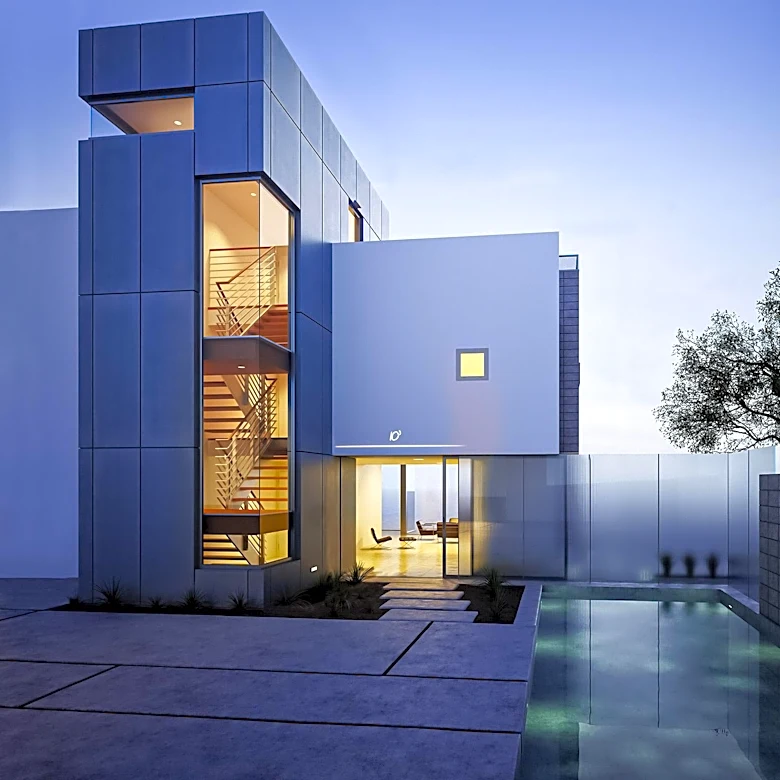
A modern farmhouse in central Israel, known as the Blue Dream Villa, showcases a unique blend of contemporary and retro design elements. Designed by Ron Rosen of Rosen Linnenberg Architects and interior designer Itamar Levy, the villa spans approximately
500 square meters and is situated on a 1,900 square meter plot. The design incorporates clean modern lines with influences from the 1950s and 1960s, creating a lively and eclectic home. The villa features a cohesive color palette dominated by shades of blue, which is the family's favorite color. The interior spaces are designed to support everyday family life and large-scale entertaining, with a focus on integrating the surrounding green landscape into the home's interior through large openings. The villa also includes a cinema room, designed to provide a complete viewing experience with custom-made furniture and acoustics.
Why It's Important?
The Blue Dream Villa exemplifies a growing trend in architecture that combines modern and traditional design elements to create spaces that are both functional and aesthetically pleasing. This approach reflects a broader movement in home design that values personalization and the blending of different styles to suit individual tastes. The villa's design also highlights the importance of integrating natural surroundings into living spaces, a concept that is increasingly relevant in urban planning and residential architecture. By creating a home that supports both family life and social gatherings, the design addresses the evolving needs of modern families. This trend could influence future residential projects in the U.S., where there is a growing demand for homes that offer flexibility and a connection to nature.
What's Next?
As the trend of blending modern and retro design elements continues to gain popularity, architects and designers may increasingly adopt similar approaches in their projects. This could lead to more homes that prioritize personalization and the integration of natural elements. Additionally, the emphasis on creating spaces that support both family life and social gatherings may influence future residential developments, particularly in urban areas where space is limited. The success of the Blue Dream Villa could inspire similar projects in the U.S., where there is a growing interest in sustainable and adaptable home designs.
Beyond the Headlines
The design of the Blue Dream Villa raises interesting questions about the role of architecture in shaping family dynamics and social interactions. By creating spaces that are both functional and inviting, the villa encourages family members to spend more time together and engage in social activities. This approach could have long-term implications for how homes are designed, particularly in terms of promoting well-being and social cohesion. Additionally, the villa's integration of natural elements reflects a broader cultural shift towards sustainability and environmental consciousness, which could influence future architectural trends.