


What's Happening?
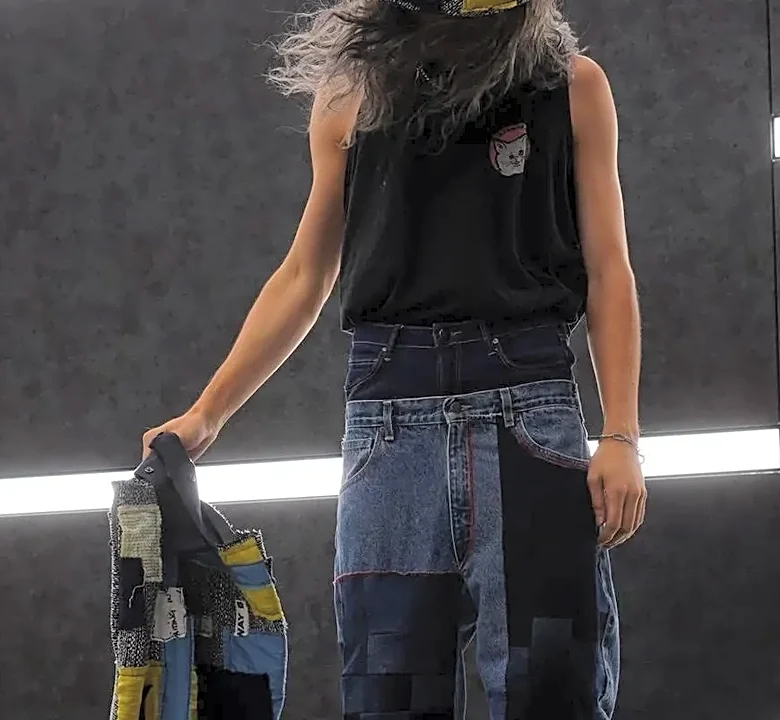
Walmart's fashion lines are increasingly gaining recognition and compliments at glamorous New York City events, surprising attendees who often mistake the affordable garments for high-end designer wear. Lia Eustachewich, a Post managing editor, began
incorporating Walmart pieces into her wardrobe after observing influencers showcasing stylish items from the retailer. She has since received numerous compliments on her Walmart outfits, even from fashion industry professionals. Walmart has strategically invested in elevating its fashion offerings, hiring luxury executives like Denise Incandela from Saks in 2017 and designer Brandon Maxwell in 2021 as creative director for its in-house lines, Free Assembly and Scoop. This initiative has led to a significant increase in online marketplace revenue, particularly from households earning $100,000 or more annually, indicating a broader appeal beyond its traditional customer base.
Why It's Important?
This development signifies a notable shift in consumer perception and the democratization of fashion. Walmart's success in creating stylish yet affordable clothing challenges the long-held notion that high fashion is exclusive to luxury brands. This trend empowers consumers to achieve fashionable looks without significant financial outlay, potentially altering shopping habits across various income brackets. For the fashion industry, it highlights the growing influence of accessible style and the power of strategic branding and design partnerships, even within mass-market retail. The increased revenue from higher-income households also indicates Walmart's expanding market reach and its ability to compete in segments traditionally dominated by more upscale retailers, potentially disrupting established market dynamics.
What's Next?
The continued success of Walmart's fashion initiatives could lead to further investment in design talent and marketing efforts, solidifying its position as a legitimate player in the fashion landscape. Other mass-market retailers may follow suit, intensifying competition in the affordable fashion sector and potentially driving down prices across the industry. Consumers can expect more diverse and trend-conscious offerings from budget-friendly brands, making stylish clothing more accessible. This trend might also influence how fashion influencers operate, as they continue to highlight affordable options alongside luxury items, further blurring the lines between high and low fashion. The rapid sell-out of popular Walmart items suggests a growing demand that the retailer will likely aim to meet with increased production and faster inventory turnover.
Beyond the Headlines
Beyond the immediate retail implications, this trend reflects a broader cultural shift towards value and practicality in consumer choices, even among those with higher disposable incomes. The willingness of fashion-conscious individuals to embrace Walmart apparel suggests a diminishing stigma associated with budget shopping, prioritizing style and affordability over brand prestige. This could foster a more inclusive fashion culture where personal style is celebrated regardless of price tag. Ethically, it raises questions about sustainable fashion practices, as the demand for fast-selling, affordable clothing can sometimes contribute to overconsumption and environmental concerns. However, it also presents an opportunity for large retailers like Walmart to lead in offering more sustainable options at accessible price points, influencing industry-wide practices.