
What's Happening?
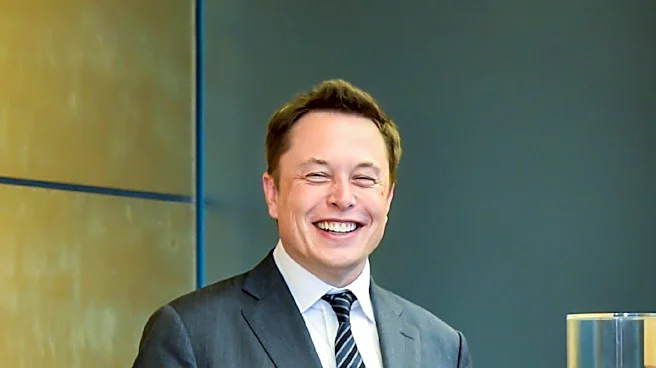
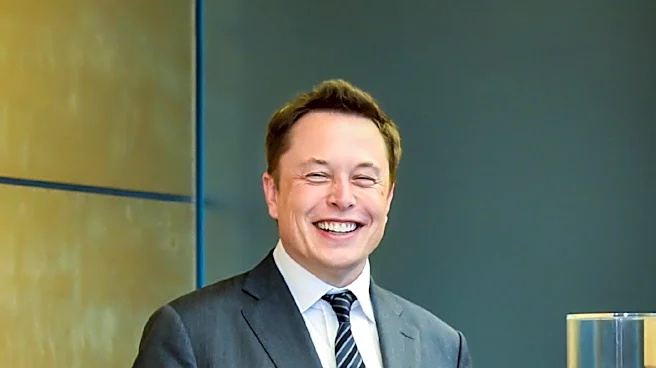
Tesla CEO Elon Musk has indicated that the company aims to integrate Starlink satellite internet technology into its vehicles by late 2027. This initiative is intended to provide stable, high-bandwidth internet connectivity for passengers, particularly
for those utilizing unsupervised Full Self-Driving (FSD) features, enabling work and 4K video streaming even in areas without 5G coverage. The autonomous Cybercab, a robotaxi without a steering wheel or pedals, has been manufactured in Texas since September with an embedded Starlink V5 terminal. These units are currently in circulation with passengers in Dallas, though public access to the Starlink service remains blocked. Ashok Elluswamy, Tesla's AI software lead, clarified that the vehicle's autonomous decisions are made locally, with the satellite connection primarily used for navigation, remote support, and fleet management. A significant exclusion from this plan is China, where Starlink is illegal, meaning Chinese Tesla owners will continue to rely on terrestrial mobile networks.
Why It's Important?
The integration of Starlink into Tesla vehicles could significantly enhance the user experience, especially for those in remote areas or during long commutes, by providing uninterrupted high-speed internet. This move aligns with the vision of fully autonomous vehicles where passengers can utilize their travel time for work or entertainment without connectivity concerns. For Tesla, it represents a potential competitive advantage, offering a unique feature that other manufacturers currently do not. However, the exclusion of China, a major market for Tesla and home to its Gigafactory in Shanghai, poses a challenge. This geographical limitation could impact Tesla's market strategy and sales in one of its most crucial regions, potentially leading to a disparity in features offered to customers globally. The development also raises questions about the cost structure, whether Starlink will be a standard feature, an extra, or a new tier of paid connectivity.
What's Next?
Tesla's immediate next steps will likely involve further development and testing of the Starlink integration, particularly adapting the V5 antenna for in-motion use, as current Starlink documentation advises against it for domestic versions. The company will need to clarify which models will receive the antenna, whether it will be standard or optional equipment, and the associated pricing. Given Tesla's history of optimistic timelines, the 2027 target should be viewed with caution, with 2028 being a plausible alternative. Additionally, as FSD v15 still requires human supervision, the full benefits of high-bandwidth connectivity for unsupervised autonomous driving will depend on the continued advancement and regulatory approval of FSD technology. Tesla will also need to address how this new connectivity option will integrate with its existing Premium Connectivity service.
Beyond the Headlines
The integration of Starlink into Tesla vehicles signifies a broader trend towards ubiquitous connectivity and the convergence of automotive and space technologies. This development could set a new standard for in-car connectivity, pushing other automakers to explore similar solutions or partner with satellite internet providers. Ethically, the reliance on satellite internet for autonomous features raises questions about data privacy, security, and potential vulnerabilities to cyberattacks, especially as vehicles become more connected. Legally, the varying regulatory landscapes across countries, as exemplified by China's ban on Starlink, highlight the complexities of deploying global technology solutions. This could lead to a fragmented market where advanced features are only available in certain regions, impacting global product consistency and consumer expectations. The long-term shift could see vehicles evolving into mobile offices or entertainment hubs, fundamentally changing how people perceive and use their cars.