









What's Happening?
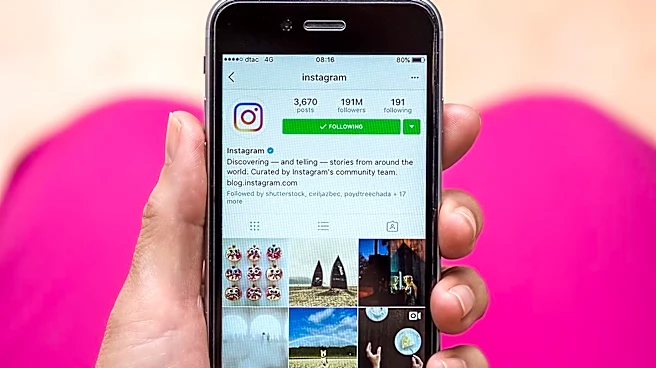
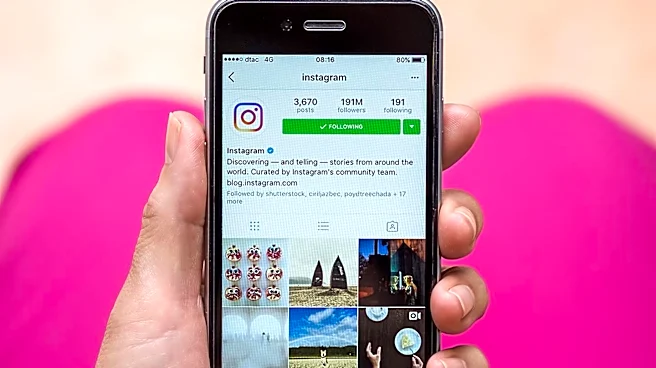
A proposed social media ban for children under 16 has sparked debate about the nature of modern childhood. Critics argue that the ban, intended to 'give children their childhoods back,' misunderstands the digital landscape that today's youth inhabit.
The ban aims to protect children from harmful content, but some experts believe it overlooks the positive aspects of social media, such as community building and access to educational content. The discussion reflects broader societal concerns about the role of technology in children's lives and the balance between protection and freedom.
Why It's Important?
The proposed ban raises important questions about how society should navigate the intersection of technology and childhood. While the intent is to protect children, the ban could inadvertently limit their access to beneficial online communities and resources. This debate is crucial as it touches on issues of digital literacy, child safety, and the evolving nature of social interactions. The outcome could influence future policies on digital access for minors and shape how educational and social development is supported in a digital age.
Beyond the Headlines
The discussion around the social media ban also highlights the generational divide in perceptions of technology. Older generations may romanticize a pre-digital childhood, while younger generations see digital interactions as integral to their social fabric. This divide underscores the need for nuanced approaches to digital policy that consider the diverse experiences and needs of different age groups. Additionally, the debate may prompt further exploration of how public spaces and community resources can adapt to support children's development in a digital world.