




What's Happening?
The National Grain and Feed Association (NGFA) is advocating for the U.S.-Mexico-Canada Agreement (USMCA) negotiations to address significant issues impacting grain shipments into Mexico, specifically rail transportation delays and costly inspection procedures.
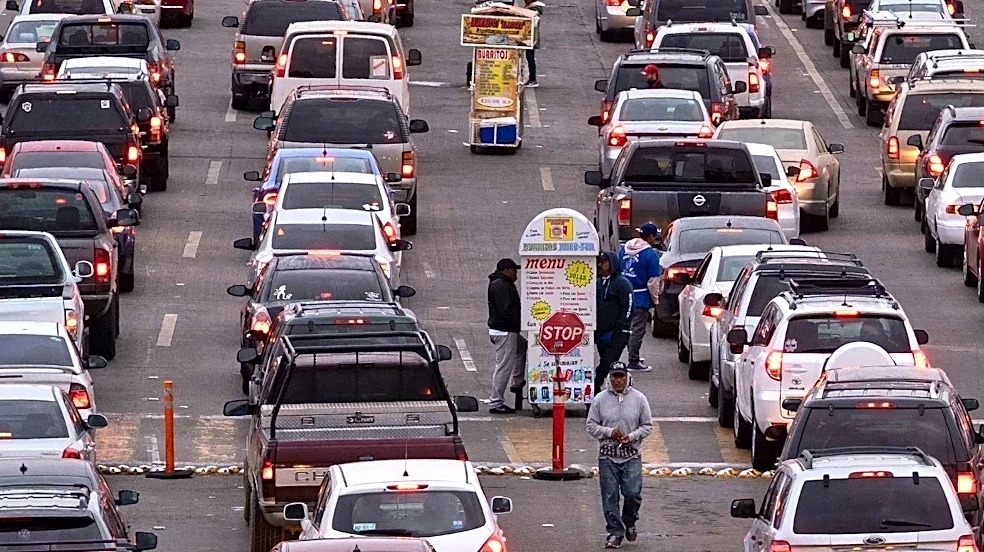
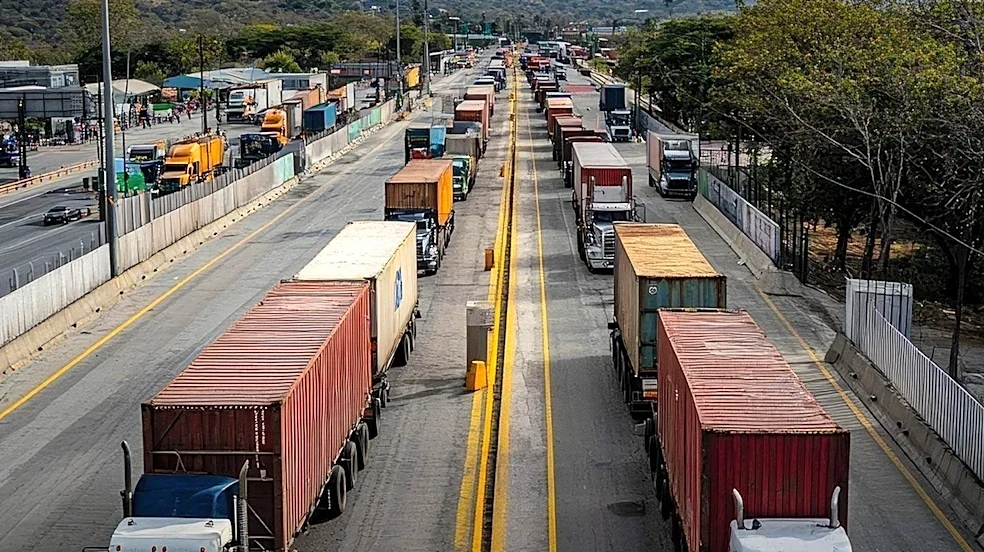
According to NGFA CEO Mike Seyfert, Mexico's zero-tolerance policy on soil contamination at the border causes substantial delays. These delays often result in expensive reinspections and fumigation, costing approximately $70,000 per train and leading to up to 72 hours of lost time. This issue, which also affects container shipments, has been a persistent challenge for the industry since 2023 and 2024.
Why It's Important?
The delays and inspection costs at the US-Mexico border significantly impact the profitability and efficiency of the US grain and feed industry. The substantial financial burden of fumigation and lost time directly affects NGFA members and, consequently, producers. These challenges disrupt the supply chain, hindering the timely movement of agricultural products and affecting the availability of rail shuttles for additional sales. Addressing these issues within the USMCA framework is crucial for ensuring smooth and predictable trade flows between the two countries, which are vital partners in agricultural commerce. Failure to resolve these problems could lead to increased costs for consumers and reduced competitiveness for US agricultural exports.
What's Next?
NGFA CEO Mike Seyfert indicates that both the US government and Mexican officials are aware of the problem, and he remains cautiously optimistic about potential progress in ongoing discussions. The USMCA negotiations provide a critical platform for resolving these trade barriers. The NGFA is also emphasizing the importance of Canada's participation in addressing other agricultural issues, suggesting a broader, trilateral approach may be necessary. The outcome of these discussions will determine whether the US grain and feed industry can achieve more efficient and cost-effective access to the Mexican market, potentially leading to revised inspection protocols and reduced border delays.
Beyond the Headlines
The border delays and inspection costs for grain shipments highlight the intricate challenges of international trade, even among close partners. Mexico's zero-tolerance policy on soil, while potentially aimed at biosecurity, creates unintended economic friction. This situation underscores the need for harmonized standards and efficient customs procedures to facilitate trade while safeguarding national interests. The involvement of the USMCA negotiations suggests that these issues are not merely operational but have broader policy implications for North American economic integration. Resolving these challenges could set a precedent for how agricultural trade disputes are managed within the agreement, fostering greater predictability and stability for the entire North American agricultural sector.