







What's Happening?
Smart homes, marketed as the future of convenience and energy efficiency, are contributing to higher electricity bills due to 'phantom load' or 'vampire power.' This occurs when devices remain in standby mode, continuously drawing power even when not
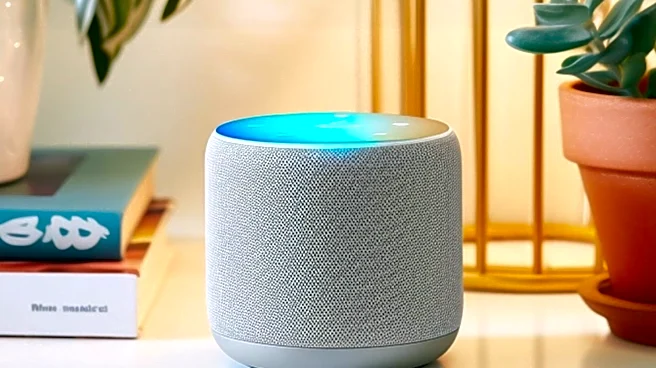
in active use. Common culprits include smart speakers, displays, streaming devices, game consoles, smart TVs, and security cameras. These devices require a constant trickle of electricity to stay connected to Wi-Fi, check for updates, or remain ready for voice commands. The cumulative effect of these 'always on' gadgets can significantly increase energy costs, especially with rising electricity prices.
Why It's Important?
The increase in energy consumption from smart home devices has broader implications for household budgets and energy conservation efforts. As energy costs rise, the financial burden on consumers increases, potentially offsetting the convenience and automation benefits of smart technology. This situation highlights the need for consumers to be more energy-conscious and to adopt strategies to mitigate unnecessary power usage. Reducing energy consumption not only saves money but also contributes to environmental sustainability by decreasing the demand for electricity, which is often generated from non-renewable sources.
What's Next?
Consumers can take several steps to reduce the energy consumption of their smart home devices. These include switching devices to energy-saving modes, unplugging or using smart power strips for rarely used gadgets, and disabling unnecessary features like continuous listening or motion detection. Additionally, consumers can conduct energy audits of their homes to identify and address the most power-hungry devices. By implementing these measures, households can enjoy the benefits of smart technology while minimizing their environmental impact and reducing energy costs.