





What's Happening?
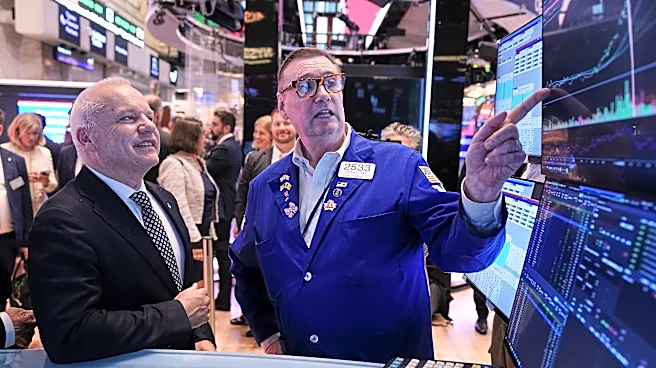
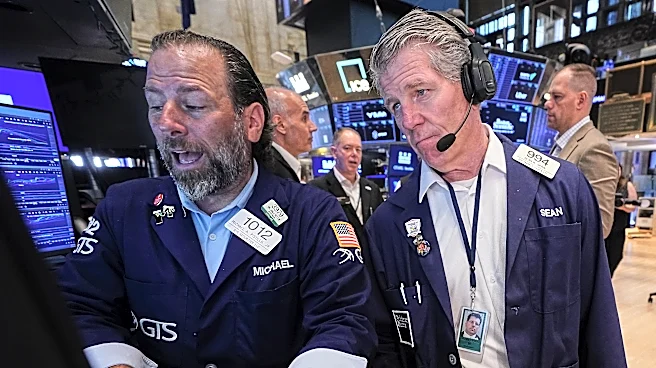
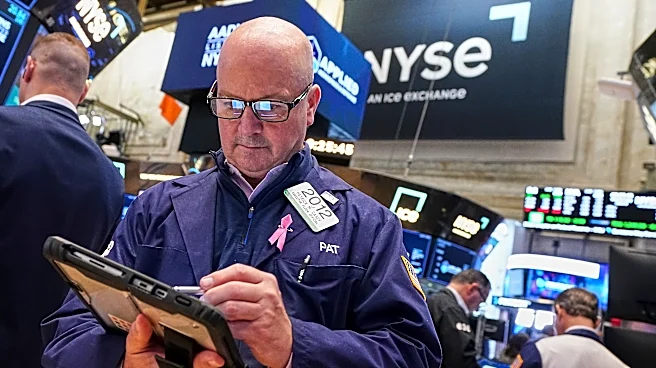
As of June 27, 2026, Wall Street is poised to close the first half of the year with a positive outlook, driven by a potential U.S.-Iran resolution and robust consumer spending. JPMorgan has increased its S&P 500 target to 7,800, suggesting a possible
5% rise from current levels. Despite inflation reaching a three-year high, the market remains optimistic about continued equity rallies. However, the upcoming holiday-shortened week could lead to increased market volatility due to lower trading volumes and portfolio rebalancing. July is historically favorable for the Dow and S&P 500 but challenging for the Nasdaq, which typically underperforms during midterm election years.
Why It's Important?
The developments on Wall Street are significant as they reflect investor confidence in the U.S. economy's ability to withstand inflationary pressures. The potential for continued equity rallies could benefit large-cap stocks, particularly in the financial and industrial sectors. However, the anticipated volatility may pose risks for investors, especially those heavily invested in tech stocks vulnerable to AI disruptions. The market's response to upcoming economic indicators, such as the jobs report and inflation data, will be crucial in shaping investor sentiment and future market trends.
What's Next?
Investors will closely monitor the upcoming economic data releases, including the jobs report and inflation indicators, to gauge the market's direction. The Federal Reserve's stance on interest rates, particularly any signals of a rate hike, will also be pivotal. As the market navigates through potential volatility, investors may adjust their portfolios, focusing on sectors with perceived value and stability. The performance of retail platforms and the impact of geopolitical developments will further influence market dynamics.