
What's Happening?
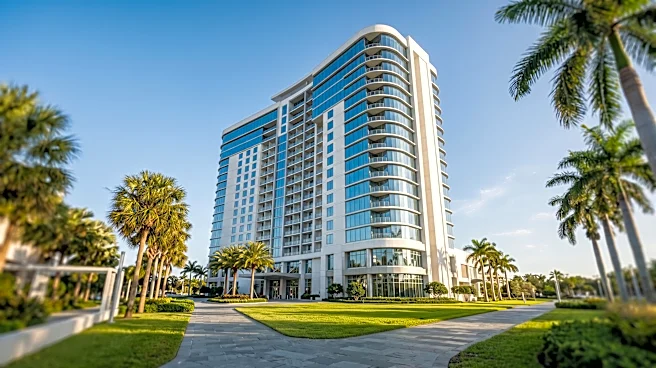
Palm Beach County commissioners have voted 6-1 to approve plans for an 18-story, 400-room hotel near the Palm Beach County Convention Center. This significant development project is spearheaded by billionaire
Stephen Ross and his company, Related Ross. Under the agreement, Related Ross will be responsible for financing, constructing, and operating the hotel. The county will contribute $26 million towards the project. Upon completion, the county will take ownership of both the hotel and the land, subsequently leasing it back to Related Ross through a 97-year agreement. Palm Beach County Commissioner Maria Marino highlighted the county's role as a partner, anticipating revenue generation, economic development, and job creation from the project. However, the plan has faced opposition, with Margaret Frazzini, president of the Grandview Heights Neighborhood Association, raising concerns about the rapid pace of development near historic downtown districts. Despite these concerns, Ross and county officials emphasize the project's potential to generate hundreds of millions of dollars in value over the coming decades and enhance the appeal of downtown West Palm Beach.
Why It's Important?
This project signifies a major investment in West Palm Beach's infrastructure and economy, with potential long-term impacts on the region's tourism and business sectors. The county's decision to contribute $26 million and then lease the property back to the developer under a nearly century-long agreement demonstrates a strategic partnership aimed at fostering economic growth. The hotel is expected to attract more conventions and visitors, boosting local businesses and creating numerous jobs, from construction to hospitality. The involvement of a prominent developer like Stephen Ross, known for large-scale real estate ventures, underscores the project's potential to transform the area. However, the concerns raised by local community groups about the impact on historic districts highlight the ongoing tension between urban development and historical preservation. This project could set a precedent for how future large-scale developments are negotiated and integrated into existing urban landscapes, balancing economic benefits with community and environmental considerations.
What's Next?
Following the approval by the Palm Beach County commissioners, Related Ross will proceed with the financing, construction, and eventual operation of the 18-story hotel. The project will likely move into detailed planning and permitting phases before ground is broken. The 97-year lease agreement between the county and Related Ross will come into effect once the county takes ownership of the completed hotel and land. Community groups, such as the Grandview Heights Neighborhood Association, are expected to continue monitoring the development, potentially advocating for measures to mitigate its impact on surrounding historic areas. The success of this project could influence future development proposals in West Palm Beach and other growing urban centers, particularly regarding public-private partnerships and the balance between economic expansion and community concerns. The project's progress will be closely watched as a model for large-scale urban development in Florida.
Beyond the Headlines
The approval of the new convention center hotel in West Palm Beach touches upon broader themes of urban development, public-private partnerships, and the evolving landscape of American cities. The county's significant financial contribution and long-term lease agreement with Related Ross illustrate a growing trend where local governments actively invest in and partner with private developers to stimulate economic growth. This model, while promising for revenue generation and job creation, also raises questions about the long-term financial implications for taxpayers and the extent of public control over privately managed assets. Furthermore, the debate between economic development and the preservation of historic districts reflects a national challenge faced by many rapidly growing cities. The project's outcome could influence urban planning strategies, emphasizing the need for comprehensive impact assessments that consider not only economic returns but also cultural heritage, community well-being, and sustainable development practices. It highlights the complex interplay between capital, governance, and community identity in shaping the future of urban environments.