




What's Happening?
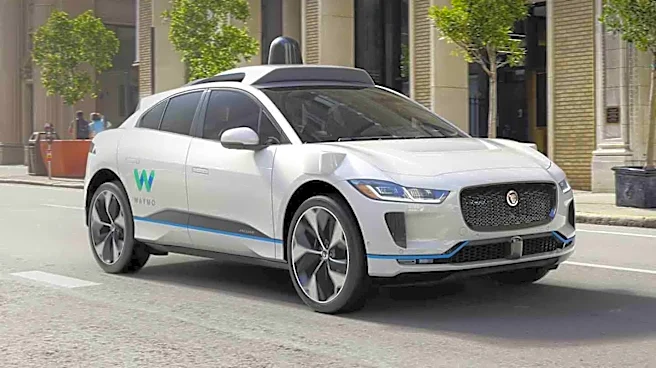
Waymo, the autonomous driving technology company, is set to terminate its exclusive robotaxi partnership with Uber. Waymo co-CEO Tekedra Mawakana announced that the company plans to launch its own ride-hailing application, Waymo One, in Austin and Atlanta
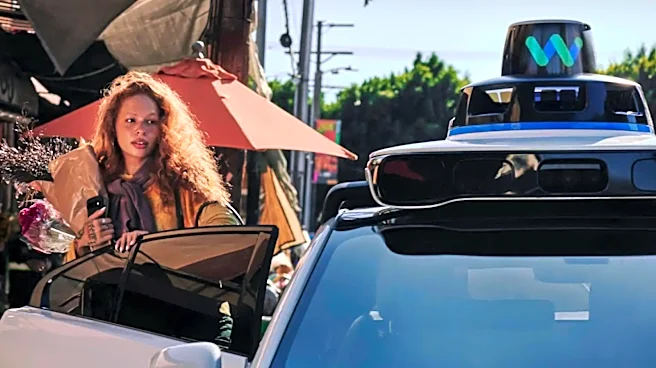
starting January 2028. This move will allow passengers in these cities to directly hail driverless rides through the Waymo app, bypassing Uber's platform. Mawakana described the previous mixed-fleet experience, where customers could be assigned either a robotaxi or a human-driven vehicle through Uber, as a 'crapshoot' for Waymo's customers. This decision reflects a broader trend among autonomous vehicle developers to control the customer experience and data directly, rather than relying on intermediary platforms. Serve Robotics, another autonomous delivery company, has also decided not to renew its partnership with Uber Eats when it expires in 2027, opting instead for a direct developer API for small businesses.
Why It's Important?
This strategic shift by Waymo and Serve Robotics has significant implications for the autonomous vehicle industry and the broader ride-hailing and delivery markets. For Uber, the departure of key autonomous partners like Waymo and Serve Robotics challenges its strategy of becoming the default platform for autonomous services. Uber has invested heavily in developing its platform for autonomous transport and deliveries, and these defections suggest that its current approach may need re-evaluation. The move by Waymo to go direct indicates a desire by autonomous technology developers to maintain control over customer relationships, pricing power, and valuable data, rather than ceding these to a third-party platform. This could lead to increased competition in the autonomous mobility sector, with more companies launching their own direct-to-consumer services, potentially fragmenting the market and forcing platforms like Uber to adapt their business models.
What's Next?
Starting in January 2028, Waymo will offer direct robotaxi services in Austin and Atlanta through its Waymo One app. This will directly compete with Uber's offerings in those markets. Uber will need to reassess its strategy for integrating autonomous vehicles into its platform, potentially seeking non-exclusive agreements with Waymo and other partners, or developing new incentives to retain autonomous service providers. The trend of autonomous companies seeking direct customer relationships could lead to a more diverse and competitive landscape for robotaxi and autonomous delivery services. Uber's ability to maintain its position as a leading mobility platform will depend on its capacity to adapt to these evolving dynamics and find new ways to collaborate with or integrate autonomous technologies without alienating its partners.
Beyond the Headlines
The decisions by Waymo and Serve Robotics highlight a fundamental tension in the evolving autonomous mobility ecosystem: who will own the customer relationship. As autonomous technology matures, the companies developing these advanced systems are increasingly recognizing the value of direct engagement with end-users. This shift could lead to a redefinition of the roles of traditional ride-hailing and delivery platforms, potentially transforming them from central intermediaries to more specialized service providers or technology integrators. The emphasis on direct customer experience also underscores the importance of brand loyalty and user interface design in the autonomous age. Furthermore, the expansion of Waymo into Toronto, Canada, signifies the growing internationalization of autonomous vehicle services, suggesting that regulatory frameworks and market dynamics in different regions will play a crucial role in shaping the global adoption and business models of this technology.