




What's Happening?
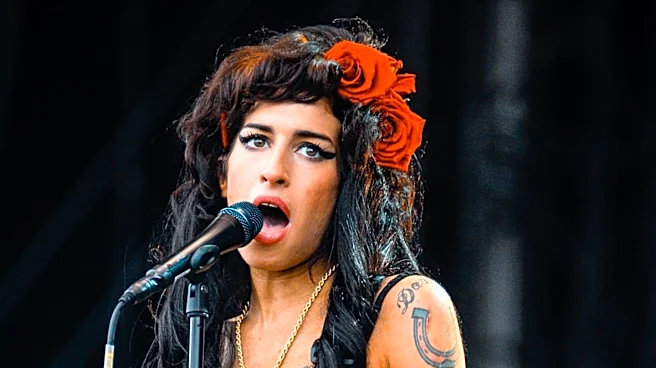
Several iconic Hollywood hairstyles, including the voluminous beehive, are unlikely to make a comeback due to contemporary fashion trends favoring minimalism and easy-to-wear styles. The beehive, popularized in the 1960s by stars like Audrey Hepburn and Brigitte
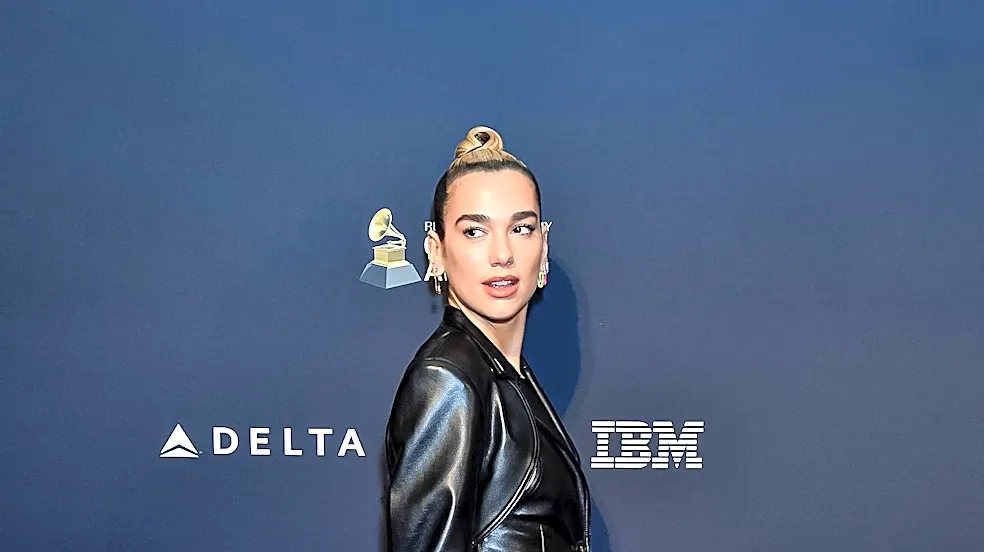
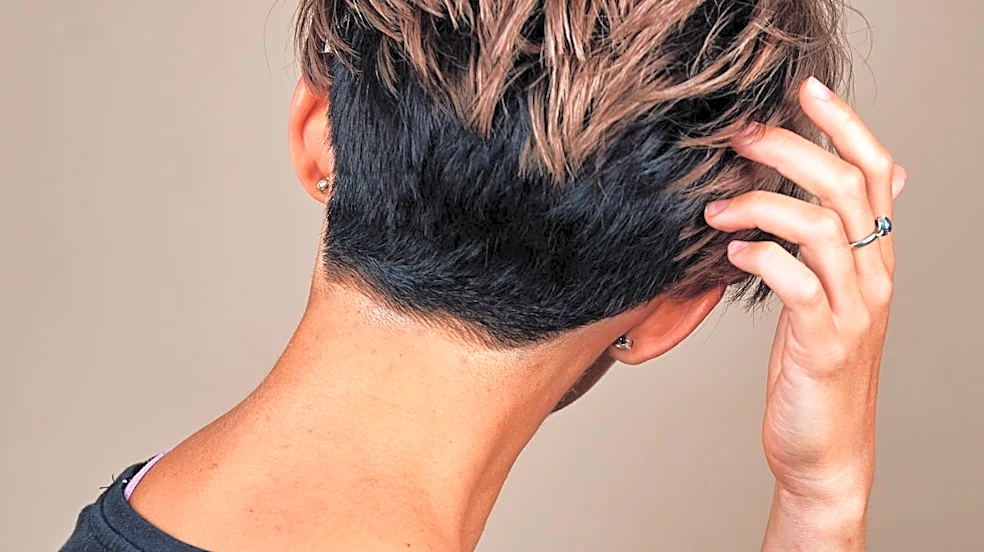
Bardot, required significant effort and styling products to achieve its towering, rounded bouffant shape. However, the rise of social media has shifted celebrity influence, with current hair trends leaning towards simpler, more natural looks. A growing appreciation for the 'clean girl' aesthetic has further cemented the popularity of slicked-back buns and other low-maintenance styles, leaving little room for the return of intricate, vintage-inspired looks. This shift indicates a broader preference for practicality and understated elegance over elaborate, time-consuming hairstyles that were once a hallmark of Hollywood glamour.
Why It's Important?
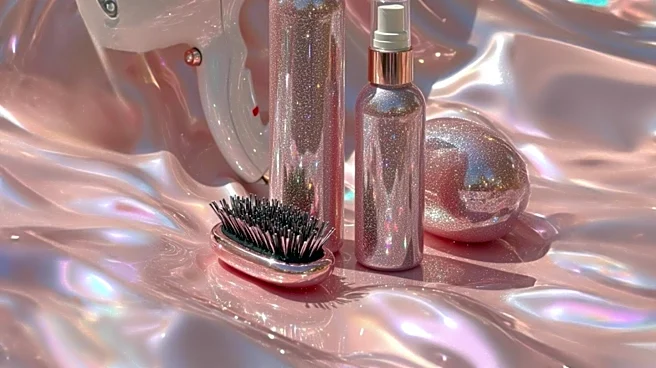
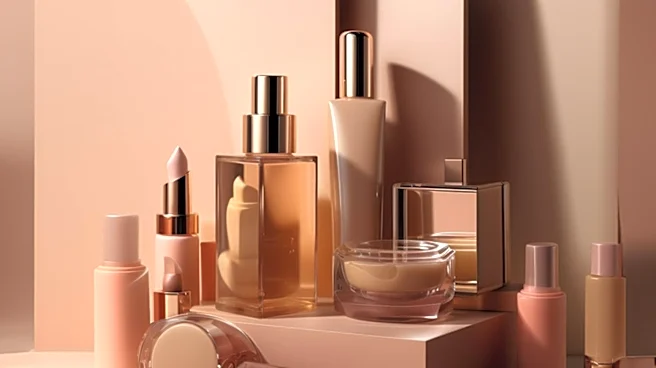
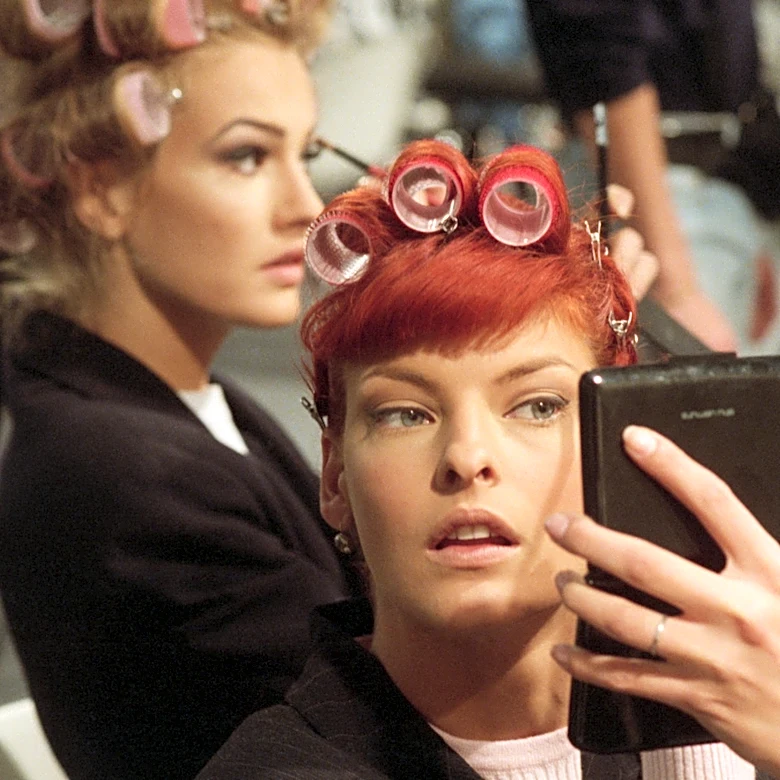
This shift in hairstyle trends has significant implications for the U.S. beauty industry. The decline of elaborate styles like the beehive means a reduced demand for specific hair products such as strong-hold hairsprays, teasing combs, and hairnets, which were essential for maintaining such looks. Conversely, the rise of minimalist and 'clean girl' aesthetics boosts the market for products that support natural hair health, sleek finishes, and easy styling, such as smoothing serums, leave-in conditioners, and gentle styling creams. This trend also influences salon services, with a potential decrease in demand for complex updos and an increase in requests for cuts and treatments that facilitate low-maintenance styling. For consumers, this means a move towards less time-consuming beauty routines, aligning with modern lifestyles that prioritize efficiency and natural appearance. The beauty industry must adapt its product development and marketing strategies to cater to these evolving preferences.
What's Next?
The beauty industry is expected to continue its pivot towards products and services that support minimalist and easy-to-wear hairstyles. This will likely involve further innovation in hair care that emphasizes natural textures, health, and effortless styling. We can anticipate a sustained focus on products like dry shampoos, texturizing sprays, and multi-benefit hair treatments that cater to a 'clean girl' aesthetic. Salons may also see an increased demand for services that enhance natural hair, such as balayage, subtle highlights, and precision cuts that require minimal daily styling. Educational content from beauty brands and influencers will likely continue to promote quick and simple hair routines. This trend suggests a long-term shift in consumer behavior, where convenience and a natural look are prioritized over highly sculpted or artificial styles, impacting product development and marketing strategies across the U.S. beauty market.
Beyond the Headlines
The rejection of elaborate hairstyles like the beehive in favor of minimalist looks reflects a broader cultural shift towards authenticity and practicality in personal presentation. This trend can be seen as a response to the fast-paced nature of modern life, where time-consuming beauty rituals are often forgone for efficiency. It also highlights a move away from highly artificial or 'done' appearances towards a more natural and effortless aesthetic, potentially influenced by a desire for greater self-acceptance and less pressure to conform to idealized, often unattainable, beauty standards. This cultural shift impacts not only the beauty industry but also broader perceptions of femininity and self-expression, suggesting a preference for understated elegance and comfort over overt glamour and artifice. The 'clean girl' aesthetic, in particular, embodies a desire for polished simplicity that resonates with contemporary values.