



What's Happening?
Shigeru Miyamoto, a prominent figure at Nintendo, recently expressed his views on the evolving preferences of gaming consumers. In an interview with Famitsu, Miyamoto noted that gamers are increasingly valuing unique gameplay experiences over technical
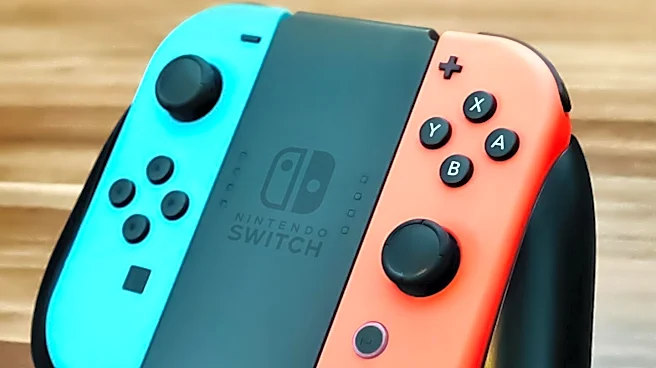
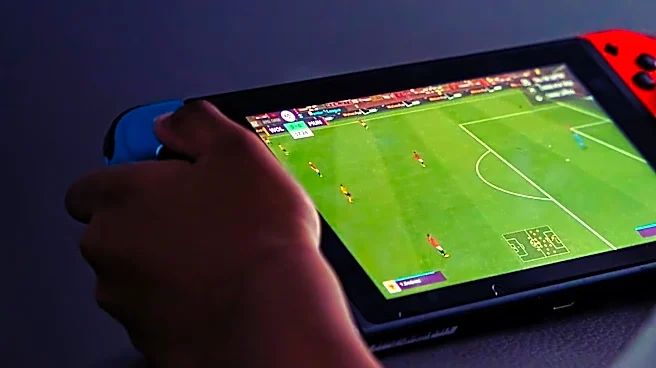
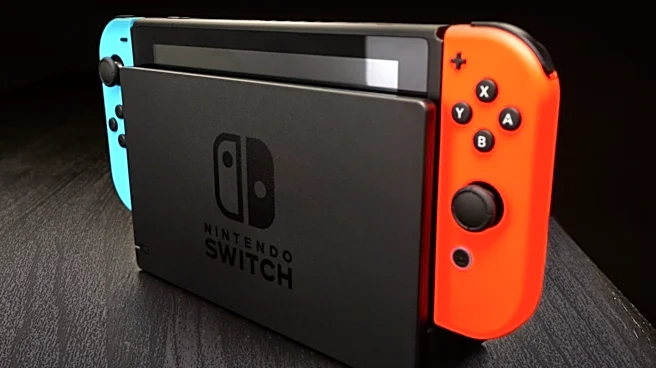
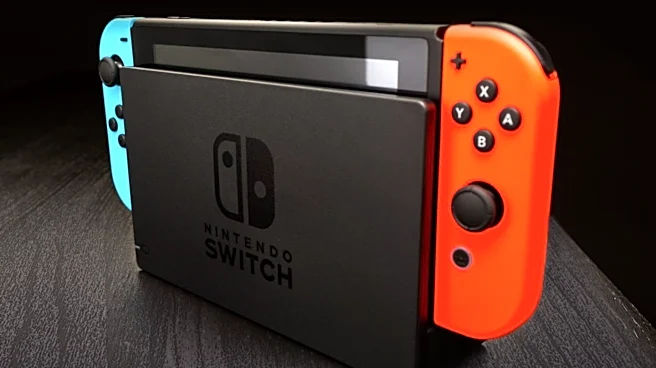
specifications. This shift in focus has been evident since the era of the Wii and DS, where Nintendo prioritized innovative play methods over competing on hardware power. Despite the Nintendo Switch not matching the technical prowess of its PlayStation and Xbox counterparts, it has achieved significant success, selling over 150 million units. Miyamoto emphasized that the ideal scenario for consumers is the ability to play purchased software on existing devices, highlighting the ubiquity of smartphones as a model. He also pointed out Nintendo's advantage in creating unique gameplay experiences due to its dedicated hardware architecture.
Why It's Important?
Miyamoto's insights reflect a broader trend in the gaming industry where consumer preferences are shifting from raw technical specifications to the quality and uniqueness of gameplay experiences. This trend could influence how gaming companies design and market their products, potentially leading to more innovation in gameplay mechanics and user interfaces. For Nintendo, this approach has proven successful, as evidenced by the enduring popularity of the Switch. The focus on unique experiences rather than competing on specs alone could also lead to a more diverse gaming market, where smaller companies might find opportunities to innovate without the need for high-end hardware. This shift could impact the strategies of major gaming companies and influence future console developments.
What's Next?
As the gaming industry continues to evolve, companies may increasingly prioritize unique gameplay experiences over hardware specifications. This could lead to a diversification of gaming platforms and experiences, with more emphasis on cross-platform compatibility and innovative game design. Nintendo's strategy might encourage other companies to explore similar paths, potentially leading to a broader range of gaming experiences for consumers. Additionally, as technology advances, the integration of new technologies such as virtual reality and augmented reality could further redefine what consumers expect from gaming systems.