



What's Happening?
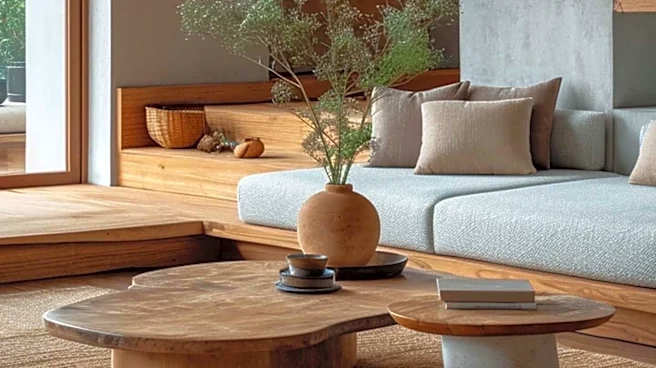
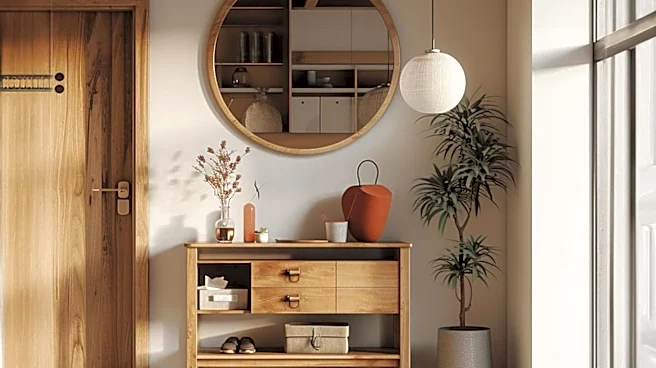
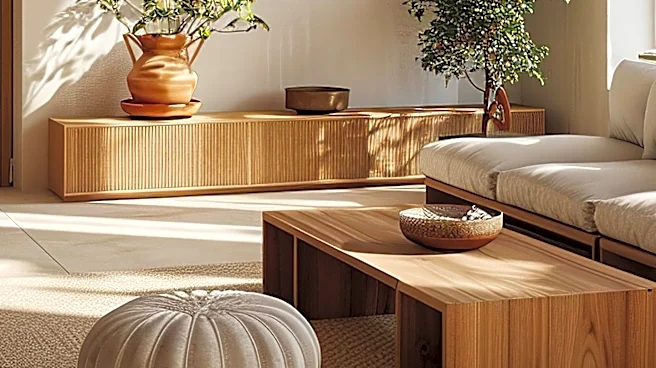
Japandi style, a fusion of Scandinavian and Japanese design principles, is gaining prominence for its emphasis on simplicity, natural materials, and calm, uncluttered living spaces. This design aesthetic is characterized by warm neutral colors, natural wood
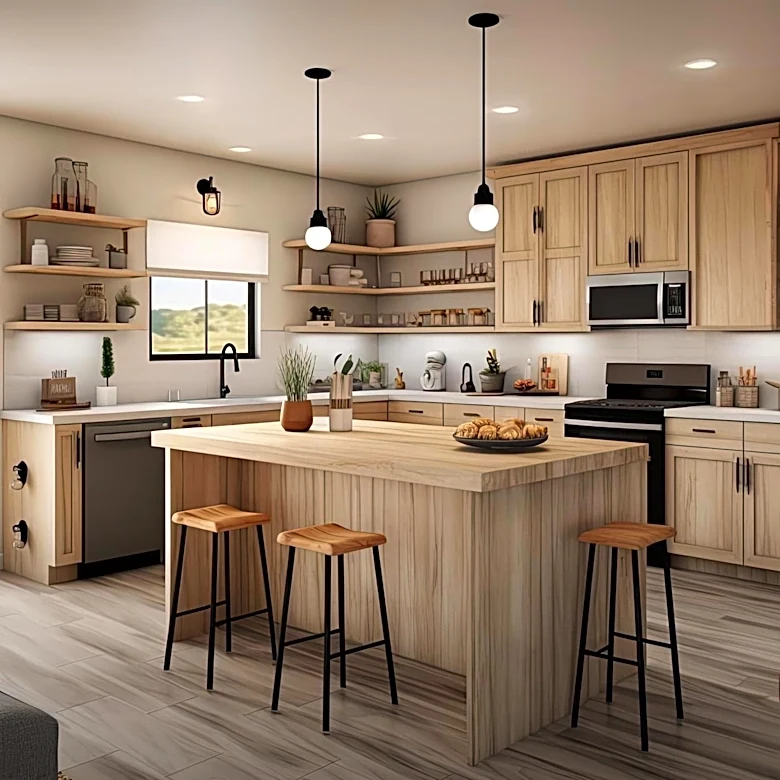
tones, and minimalist furniture. A key element of Japandi is the low, plain platform bed, often made from natural wood or bamboo, featuring clean lines and simple joinery. The style incorporates the Japanese concept of wabi-sabi, which finds beauty in imperfection, and the Scandinavian idea of hygge, focusing on everyday comfort. This blend results in furniture that prioritizes material quality and construction over excessive decoration. For instance, a Japandi bed frame's appeal lies in its authentic materials and precise craftsmanship, as opposed to ornate designs. The color palette typically includes pale natural bamboo, light oak, warm honey tones, and darker walnut-brown for contrast, with grey wood paint also being a significant element.
Why It's Important?
The rise of Japandi style reflects a broader consumer trend towards mindful living and sustainable design in the U.S. interior design market. This aesthetic offers an alternative to more opulent or overly modern styles, appealing to those seeking tranquility and functionality in their homes. The focus on natural materials like bamboo and solid wood can influence manufacturing and sourcing practices within the furniture industry, potentially increasing demand for ethically produced and durable goods. For consumers, investing in Japandi-style pieces means prioritizing longevity and timelessness over fleeting trends, which could lead to more conscious purchasing decisions. The emphasis on uncluttered spaces and natural light also promotes well-being, aligning with growing interest in creating healthier home environments. This design philosophy could impact real estate staging, interior decorating services, and even architectural design, as more individuals seek to integrate these principles into their living spaces.
What's Next?
As Japandi style continues to gain traction, consumers can expect to see a wider availability of furniture and home decor products that embody this aesthetic. Manufacturers are likely to expand their lines to include more low-profile beds, minimalist seating, and natural material accents. Retailers may curate dedicated Japandi collections, making it easier for consumers to achieve the look. Interior designers will likely incorporate Japandi principles into their projects, offering clients serene and functional spaces. There may also be an increased focus on educational content around sustainable materials and minimalist living, further solidifying the style's presence in the U.S. market. The demand for authentic materials and quality craftsmanship could also drive innovation in furniture production, with a greater emphasis on transparency regarding material sourcing and construction techniques.
Beyond the Headlines
The popularity of Japandi style extends beyond mere aesthetics, touching upon deeper cultural and psychological implications. It represents a societal yearning for simplicity and calm in an increasingly complex and fast-paced world. The fusion of Japanese and Scandinavian philosophies suggests a cross-cultural appreciation for minimalism, functionality, and a connection to nature. This design movement could foster a greater appreciation for craftsmanship and the inherent beauty of natural materials, potentially shifting consumer values away from mass-produced, disposable items. Ethically, the emphasis on sustainable materials and durable goods aligns with environmental consciousness, encouraging a more responsible approach to consumption. Psychologically, creating uncluttered and serene environments can reduce stress and promote mental well-being, making Japandi not just a design choice but a lifestyle philosophy that prioritizes peace and harmony within the home.