



What's Happening?
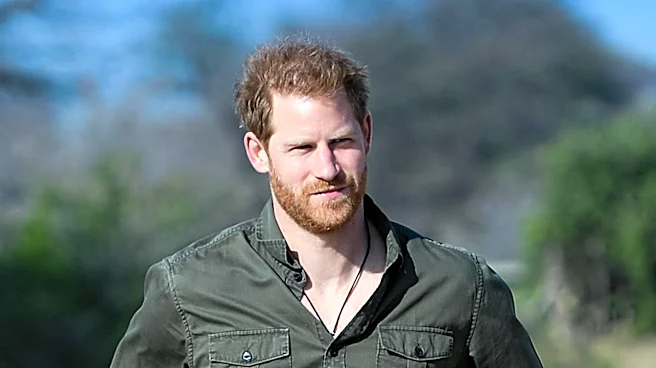
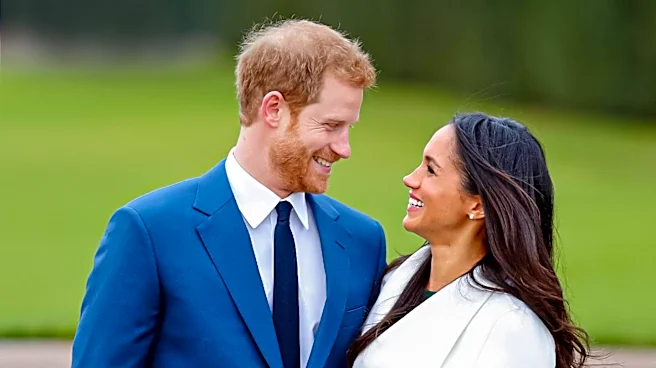
Prince Harry is expected to 'bounce back' from current negative public opinions, according to veteran royal photographer Arthur Edwards, who has covered the Royal Family for The Sun since the 1970s. Edwards, who has photographed Prince Harry throughout
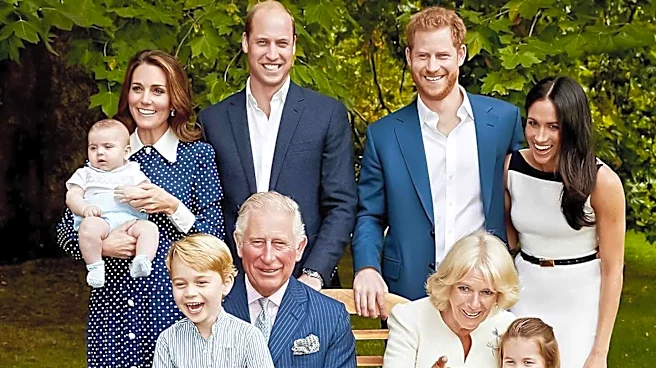
his life, expressed his gladness at Harry's return to the UK and hopes he 'gets involved' again, though he acknowledged Harry's status as a non-working royal remains unchanged. King Charles III has reinforced this status, referring to Prince Harry and Meghan Markle as 'private citizens' in official communications. Despite Edwards' optimistic outlook, others are less certain, pointing to Harry's continued public discussions about his strained relationships with his father and brother, Prince William. In a recent interview with GQ, Prince Harry admitted to grieving the relationships he once had with them, highlighting ongoing family disagreements. This comes as Harry and Meghan continue to operate as non-working royals, having stepped back from official duties in 2020.
Why It's Important?
The prediction of Prince Harry's public image recovery by a long-standing royal observer like Arthur Edwards offers a nuanced perspective on the Duke's future standing, despite current challenges. This perspective is significant because it suggests that public memory can be short and that Harry's past popularity and charitable work could eventually outweigh recent controversies. However, the King's firm stance on Harry and Meghan's status as 'private citizens' underscores the institutional resistance to their reintegration into official royal life. This creates a dichotomy: while some believe Harry can regain public favor, the official channels of the monarchy remain closed to his return to working duties. This situation impacts the Royal Family by maintaining a narrative of internal division, potentially affecting its modern image. For Harry, his ability to 'bounce back' will depend on his future actions, his continued charitable endeavors, and how he navigates his public narrative, especially concerning his family relationships, which remain a focal point of media and public interest.
What's Next?
Prince Harry's immediate future will likely involve a continued focus on his independent projects and charitable initiatives, as his status as a non-working royal is firmly established by King Charles III. While Arthur Edwards hopes Harry will 'get involved,' any such involvement would likely be in a private capacity, separate from official royal duties. The ongoing public discussions about his strained family relationships, particularly with Prince William and King Charles, are expected to continue to draw media attention. Harry's expressed desire for reconciliation suggests he may seek further opportunities to mend these ties, but the path to resolution remains unclear, especially given Prince William's reported reluctance. The public's perception of Prince Harry will continue to evolve based on his actions, statements, and the broader context of royal events. His ability to rebuild public favor, as predicted by Edwards, will depend on his strategic choices in managing his public persona and his engagement with causes he champions, while navigating the complexities of his royal lineage.
Beyond the Headlines
The narrative surrounding Prince Harry's potential 'bounce back' delves into the broader dynamics of public forgiveness and the enduring appeal of royal figures, even those who have distanced themselves from traditional roles. It highlights the tension between personal grievances and public duty, as Harry's candidness about his family struggles contrasts with the traditional royal ethos of 'never complain, never explain.' This situation also reflects a generational shift within the monarchy, where younger members may seek more autonomy and authenticity, challenging established protocols. The public's willingness to forgive or re-embrace Harry could signify a changing expectation of what a modern royal should be – perhaps more relatable and open about personal challenges. Furthermore, the role of media, particularly long-serving royal photographers like Arthur Edwards, in shaping public perception is evident. Their insights, based on decades of observation, offer a unique lens through which to understand the enduring appeal and complexities of the Royal Family, even as it navigates internal strife and evolving public sentiment.