



What's Happening?
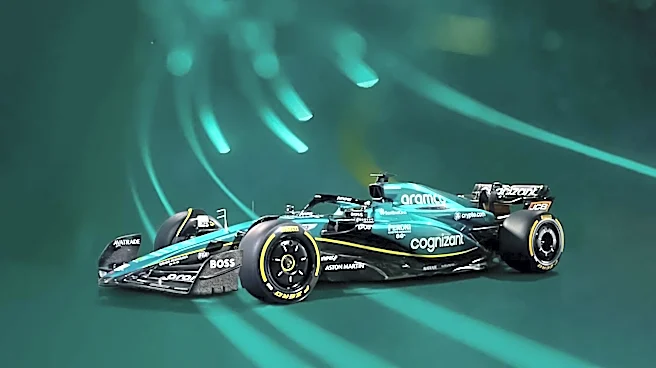
Honda has revealed that Aston Martin did not complain about the Japanese manufacturer's challenging start to their Formula 1 partnership, despite significant issues with reliability, performance, and severe battery-related vibrations in the first season.
Shintaro Orihara, Honda's trackside manager and chief engineer, praised Aston Martin's response, noting that the team maintained a strong working relationship and focused on problem-solving. The early season saw Aston Martin with the lowest mileage in pre-season testing due to repeated battery problems, and drivers Fernando Alonso and Lance Stroll experienced vibrations severe enough to raise concerns about nerve damage. Honda and Aston Martin held daily meetings to address these issues, implementing countermeasures that helped prevent further battery failures, though chassis vibration persisted. Aston Martin currently ranks 10th in the constructors' championship with one point. Honda is preparing to introduce its first power unit upgrade of the season at the Dutch Grand Prix, utilizing one of its two 'Additional Development and Upgrade Opportunities' (ADUO) granted by F1 for manufacturers more than four percent behind the benchmark power unit.
Why It's Important?
This situation highlights the critical dynamics of partnerships in high-stakes competitive environments like Formula 1, particularly when new technical regulations or collaborations are introduced. The initial struggles of the Honda-Aston Martin partnership, despite the lack of overt complaints from Aston Martin, underscore the immense pressure on manufacturers to deliver competitive performance from the outset. Honda's upcoming power unit upgrade is crucial not only for Aston Martin's immediate performance but also for Honda's reputation and future in F1. A significant improvement could validate their engineering capabilities and commitment, while a failure to deliver could have long-term implications for their standing in the sport and their ability to attract future partners. The ADUO mechanism itself is important as it provides a pathway for underperforming manufacturers to catch up, aiming to maintain competitive balance within the sport. The performance of this upgrade will be closely watched by other teams and manufacturers, as it could influence strategic decisions regarding engine suppliers and development pathways in future seasons.
What's Next?
The immediate focus is on the Dutch Grand Prix, where Honda will introduce its first power unit upgrade of the season. The performance of this upgrade will be a critical test for both Honda and Aston Martin, with expectations that it will significantly close the performance gap. Fernando Alonso, in particular, is reportedly waiting to see the impact of this new Honda engine before deciding on his future in F1 with Aston Martin. The team hopes the upgrade will reduce the performance deficit by about a third. Beyond the Dutch Grand Prix, Honda will continue to work on its 2027 engine, with the lessons learned from this challenging season directly informing future development. The ongoing communication and collaboration between Honda and Aston Martin will be vital for sustained improvement. The F1 community will be observing whether this upgrade marks a turning point for the partnership, potentially leading to improved results and a more competitive Aston Martin team in the latter half of the season and beyond.
Beyond the Headlines
The narrative of Honda's initial struggles and Aston Martin's patient, collaborative response offers insights into corporate culture and crisis management in a global, high-pressure industry. Aston Martin's decision not to publicly complain, as noted by Orihara, suggests a strategic focus on internal problem-solving and maintaining a strong partnership, rather than external blame. This approach can foster deeper trust and more effective collaboration in the long run, even amidst significant technical challenges. The severe battery vibrations experienced by drivers, raising concerns about nerve damage, also highlight the extreme physical demands and safety considerations inherent in Formula 1, pushing the boundaries of human endurance and engineering. Furthermore, the F1's ADUO system reflects a broader trend in competitive sports to implement mechanisms that prevent complete dominance by a few entities, aiming to maintain viewer interest and competitive parity. This policy has implications for how innovation and development are managed within the sport, balancing the pursuit of excellence with the need for a compelling, competitive spectacle.