






What's Happening?
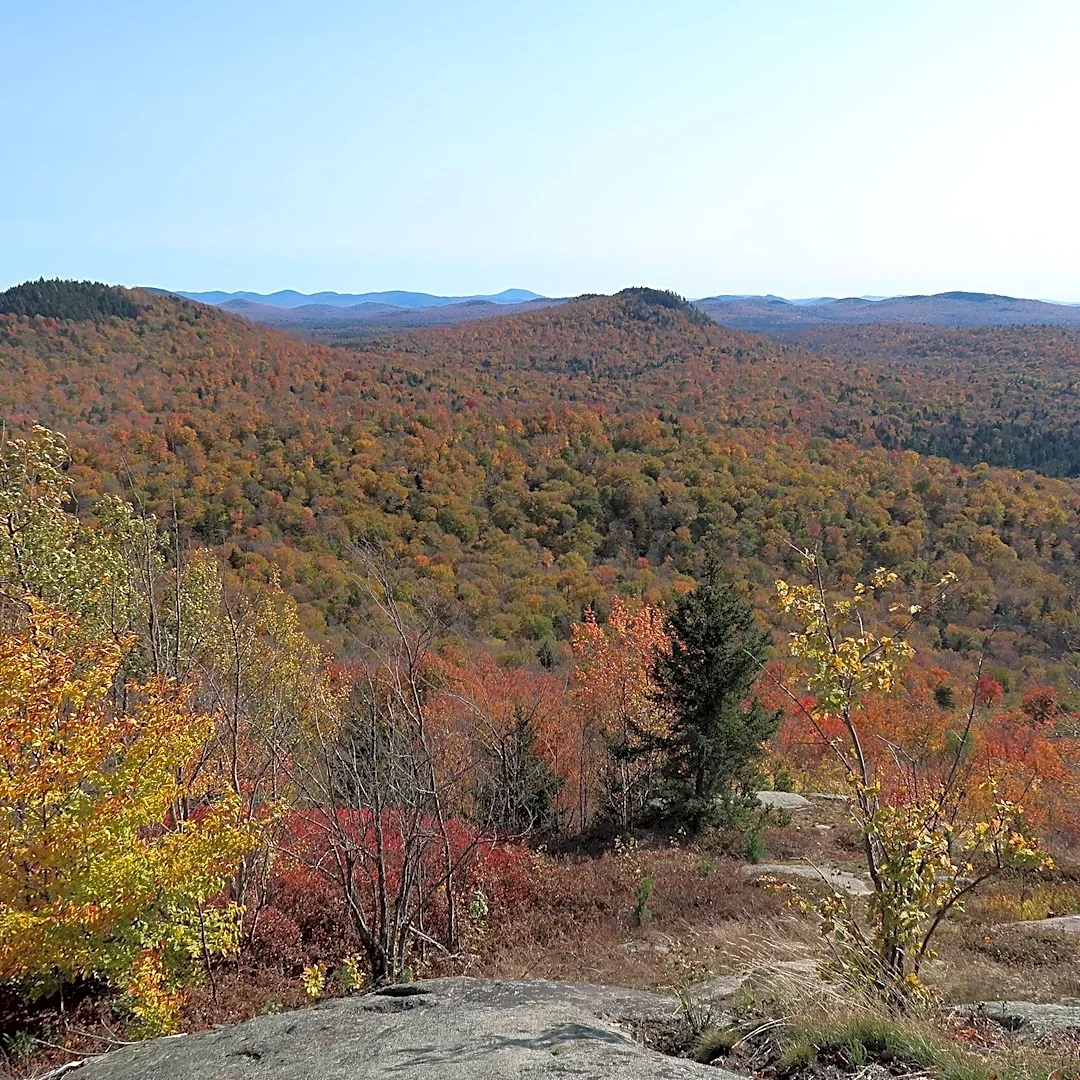
Wisconsin is presenting a variety of autumn getaway options for residents of Madison, ranging from quaint small towns to larger cities, each offering unique seasonal experiences. These destinations are highlighted for their vibrant fall foliage, local
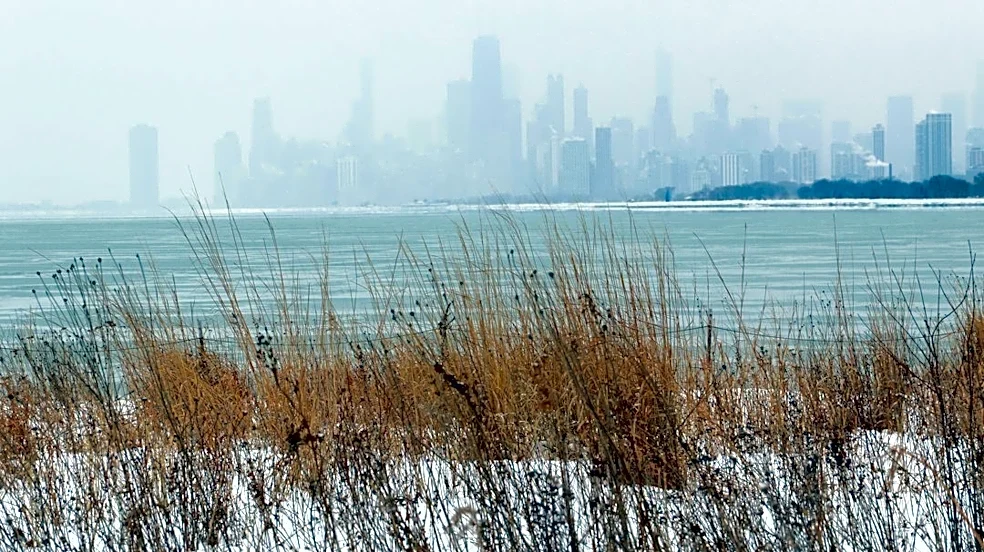
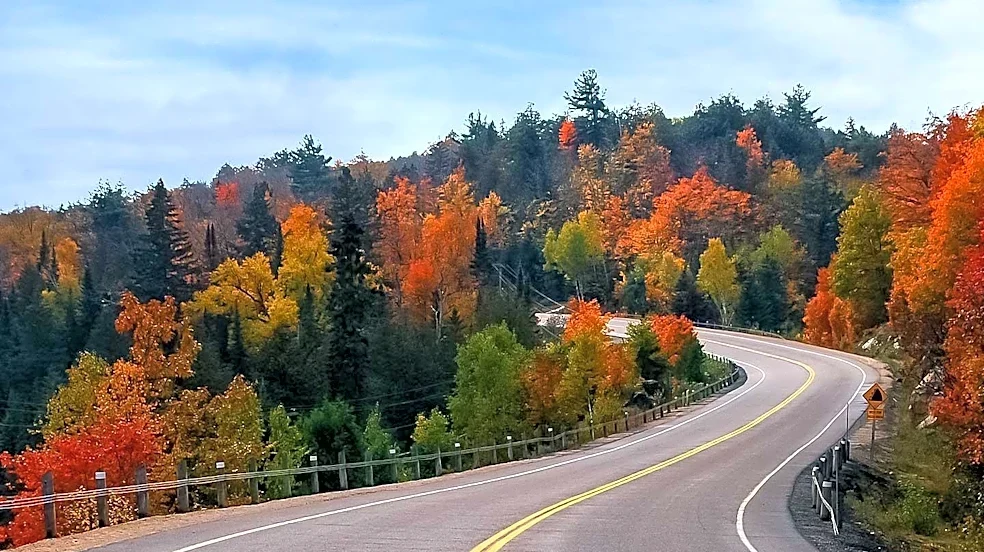
festivals, outdoor activities, and cultural attractions. For instance, Baraboo and Devil's Lake, an hour from Madison, offer cozy bed and breakfasts, local shops, and natural bluffs. Burlington, 90 minutes away, transforms into a picturesque autumn haven with historic charm, parks, and apple orchards. Cambridge, a mere 30 minutes from Madison, is known as the 'Pottery Capital of the World' and features artisan boutiques and the serene Lake Ripley. Chicago, Illinois, a 2.5-hour drive, provides a metropolitan fall experience with festivals, lakefront views, and museums. Other notable mentions include Elkhart Lake for leaf-peeping, Door County for its scenic beauty and festivals, the Fox Cities for outdoor adventures, Lake Geneva for its shore path and harvest traditions, Milwaukee for sports and arts, New Glarus for its Swiss heritage, Paoli for riverside scenery and food events, Racine for lakeside charm and architecture, Spring Green for natural beauty and architectural marvels, Stockholm for its Scandinavian influence, and Wisconsin Dells for its quiet, colorful landscapes.
Why It's Important?
The promotion of these diverse autumn getaways is important for several reasons. Economically, it stimulates local tourism across various regions of Wisconsin and even into Illinois, supporting small businesses, hospitality services, and local artisans. This influx of visitors during the fall season can provide a significant boost to local economies outside the peak summer months. Socially, these getaways offer residents opportunities for relaxation, recreation, and cultural enrichment, contributing to overall well-being. Environmentally, many of these destinations emphasize outdoor activities and appreciation of natural landscapes, potentially fostering a greater connection to and stewardship of Wisconsin's natural beauty. The variety of options caters to different interests, from nature enthusiasts and history buffs to foodies and art lovers, ensuring broad appeal and accessibility for a wide range of individuals and families seeking a seasonal escape.
What's Next?
As these destinations continue to be promoted, it is expected that local businesses and tourism boards will further enhance their seasonal offerings to attract more visitors. This could include developing new fall-themed events, expanding local craft markets, and creating specialized tour packages. Communities like Baraboo and Sister Bay, which already host annual fall festivals, may see increased attendance and a need for expanded infrastructure to accommodate larger crowds. The emphasis on outdoor activities suggests a continued focus on maintaining and improving natural trails and parks. Additionally, the success of these autumn getaways could inspire other towns and regions in Wisconsin to develop and market their own unique seasonal attractions, further diversifying the state's tourism landscape and contributing to sustained economic growth in the hospitality sector.
Beyond the Headlines
Beyond the immediate economic and recreational benefits, the emphasis on local getaways reflects a broader trend towards 'staycations' and regional tourism, potentially driven by factors such as environmental consciousness, a desire for authentic local experiences, or economic considerations. This trend could lead to a stronger sense of community identity and pride in the unique offerings of Wisconsin's towns and cities. The promotion of destinations like New Glarus, with its preserved Swiss heritage, or Racine, with its Frank Lloyd Wright architecture, highlights the importance of cultural preservation and historical appreciation in attracting visitors. Furthermore, the focus on outdoor activities and natural beauty underscores a growing societal value placed on wellness and connection with nature, which could influence urban planning and conservation efforts in the long term. The success of these initiatives could also serve as a model for other states looking to boost their regional tourism during shoulder seasons.