









What's Happening?
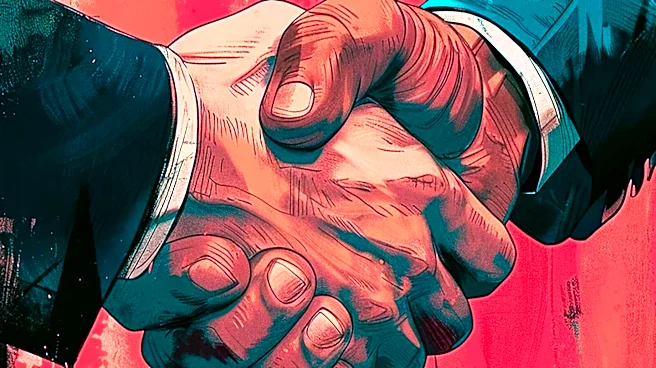
Galleries are being advised to establish clear and fair agreements regarding commission splits, especially when multiple galleries are involved in a single sale. The recommendation emphasizes that commission arrangements should reflect the actual contributions
and costs incurred by each gallery, rather than being based on a simple formula or automatic split. Factors to consider include who introduced the collector to the artwork, who is managing the piece, who is handling customer service, and who is bearing associated costs like photography, promotion, and shipping. It is crucial to discuss and agree upon these terms before promising a commission to a third party or making commitments to the collector, ideally putting the agreement in writing to prevent future misunderstandings.
Why It's Important?
This guidance is important for the U.S. art market, where collaborations between galleries and artists are common. Ambiguous commission agreements can lead to significant disputes, damaging professional relationships and potentially impacting artists' livelihoods. By advocating for transparent and equitable commission splits, the advice aims to foster healthier working relationships within the art community. This clarity ensures that all parties involved, including artists, galleries, and collectors, have a consistent understanding of financial arrangements. Such practices can enhance trust, reduce legal complications, and contribute to a more stable and professional art market environment, ultimately benefiting the artists whose work is being sold.
What's Next?
Galleries are encouraged to proactively define roles and responsibilities in multi-gallery sales scenarios. This involves assessing whether a referral fee, a split commission, or no shared commission is appropriate based on the specific circumstances of each sale. Artists are advised to share relevant facts about how a sale came about and what each gallery has contributed, allowing the galleries to negotiate terms directly. The emphasis will be on clear communication and written agreements to avoid post-sale disagreements. This proactive approach is expected to become a standard practice, leading to more structured and less contentious commission arrangements in the art world.
Beyond the Headlines
The discussion around fair commission splits in the art world touches upon broader ethical considerations within creative industries. It highlights the importance of recognizing and valuing the diverse contributions of various stakeholders in bringing a product or service to market. In the context of art, this includes the labor and investment of both the artist and the galleries involved in promotion, sales, and logistics. The call for transparency and fairness in commission structures can serve as a model for other sectors where collaborative efforts often lead to complex revenue-sharing arrangements, promoting a culture of clear communication and mutual respect among partners.