



What's Happening?
Norton Grounds, an estate in the Cotswolds, has launched a new wellness program called 'Norton Grounding.' This initiative, which began in October 2026, offers a variety of weekly wellness activities, workshops, social gatherings, and occasional retreats.
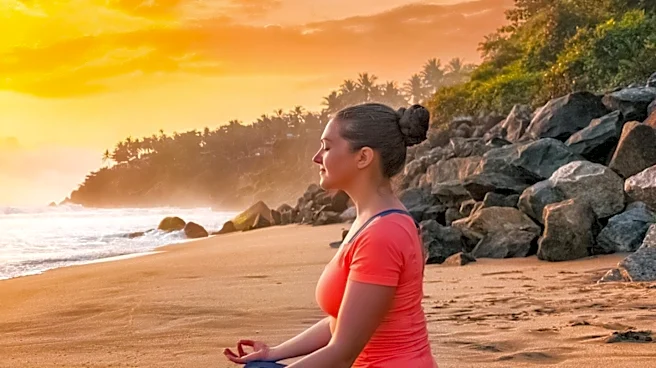
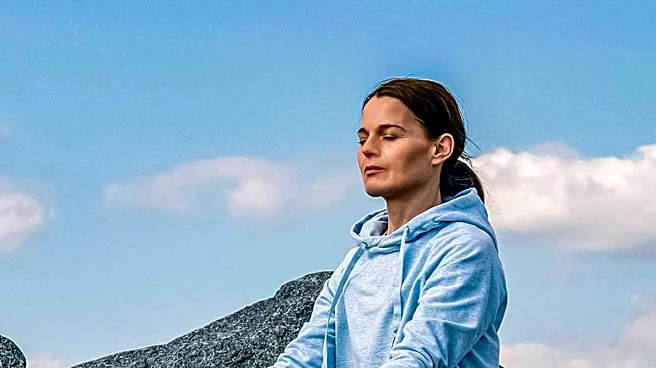
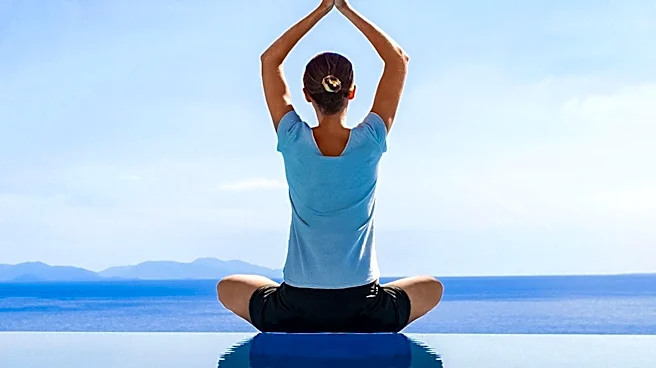
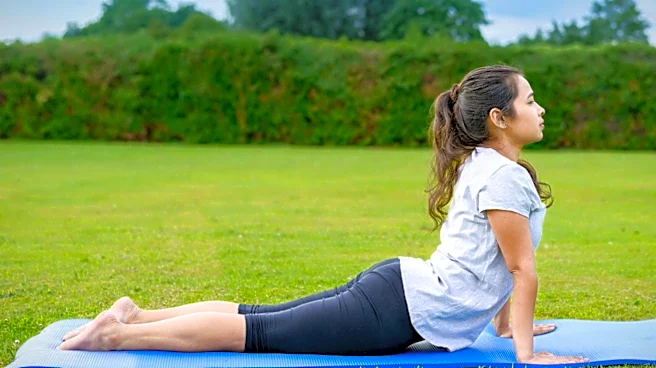
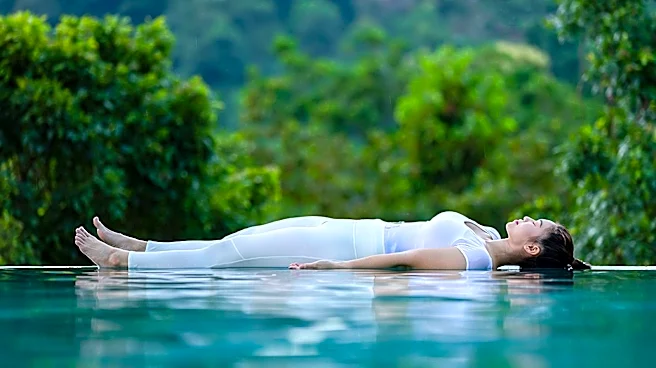
The program emphasizes gentle movement and relaxation, featuring activities such as yoga, Pilates, sound healing, somatic movement, meditative art workshops, and 'Breakfast Bounce' (a morning coffee rave). These sessions are open to the public, allowing individuals to participate without committing to a full residential retreat. The estate, owned by Clare and Andy Valender, also provides self-catering cottages with communal living spaces, offering flexibility for guests. The program aims to provide a different perspective on slowing down and reconnecting with oneself in a countryside setting.
Why It's Important?
The introduction of 'Norton Grounding' reflects a growing trend in the hospitality industry towards integrating wellness into travel experiences. This shift is significant as it caters to an increasing consumer demand for mindful and restorative getaways, moving beyond traditional tourism to offer holistic well-being. For the U.S. market, this trend indicates a potential influence on domestic travel and hospitality, as travelers seek similar wellness-focused options closer to home. The flexibility of individual sessions rather than mandatory residential retreats could also appeal to a broader audience, making wellness more accessible. This development highlights how properties are adapting to offer experiences that prioritize mental and physical rejuvenation, potentially setting new standards for luxury and leisure travel.
What's Next?
The success of programs like 'Norton Grounding' could encourage other hospitality providers, both in the UK and internationally, to expand their wellness offerings. Future developments may include a wider array of specialized wellness activities, personalized programs, and collaborations with wellness experts. The emphasis on flexibility and individual sessions might become a more common model, allowing guests to tailor their wellness journeys. As the demand for such experiences grows, we could see more estates and resorts investing in dedicated wellness infrastructure and programming, further solidifying wellness as a core component of the travel industry. The integration of unique activities like 'Breakfast Bounce' also suggests an evolution in how wellness is perceived and delivered, moving towards more engaging and diverse options.
Beyond the Headlines
This trend towards wellness-integrated travel points to a broader cultural shift where self-care and mental well-being are becoming central to lifestyle choices. The desire to 'disconnect' from daily stressors and 'reconnect' with nature and oneself is a powerful driver. The program's focus on gentle activities and relaxation, rather than intense performance, challenges conventional notions of productivity and achievement, even during leisure time. This could lead to a re-evaluation of what constitutes a 'successful' vacation, shifting the focus from sightseeing and activity-packed itineraries to internal restoration and personal growth. The blend of physical activities, creative workshops, and social gatherings also highlights a holistic approach to well-being that addresses various aspects of human experience.