

What's Happening?
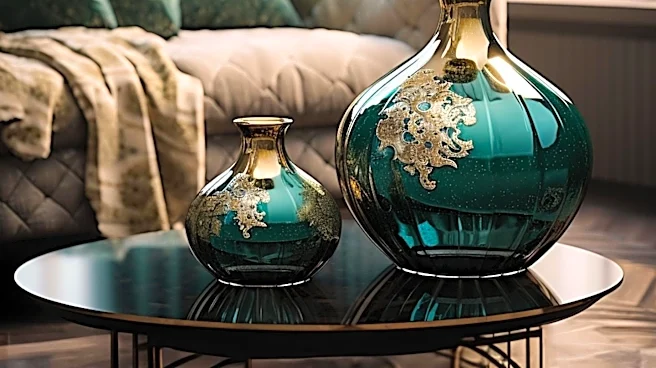
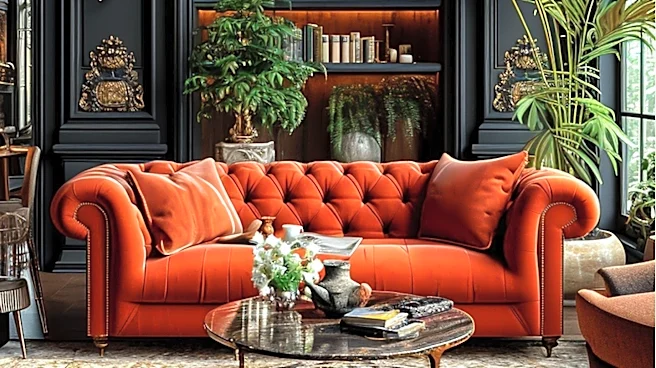
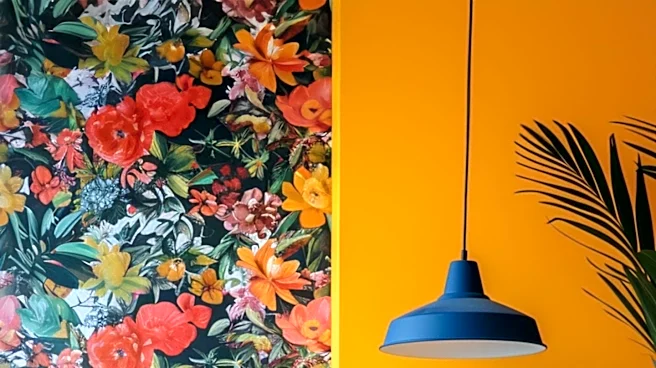
Maximalism, characterized by an embrace of excess in terms of pieces, patterns, and colors, is gaining significant traction in interior design. This trend aims to create harmony within a diverse mix of textures and elements, moving away from the subdued
aesthetics that have dominated for the past decade. Designers are observing a shift towards bolder colors, such as browns and maroons, and the incorporation of rich materials like various woods and contrasting marbles. This approach stands in stark contrast to minimalist styles, which prioritize clean lines, neutral palettes, and a less-is-more philosophy. The movement is evident in various design contexts, including home decor and even fashion, where bold and dramatic looks are becoming more prevalent.
Why It's Important?
The rise of maximalism signifies a notable shift in consumer preferences and design philosophy, impacting the U.S. interior design industry, furniture manufacturers, and retailers. This trend encourages greater creativity and personalization in home decor, potentially boosting demand for diverse materials, custom pieces, and a wider range of color palettes. For consumers, it offers an opportunity to express individuality and create more vibrant, character-filled living spaces. However, it also presents a challenge for those accustomed to minimalist aesthetics, as maximalism requires a different approach to curation and balance to avoid visual clutter. The emphasis on rich materials could also influence supply chains and manufacturing processes, favoring suppliers of high-quality woods, marbles, and textiles.
What's Next?
As maximalism continues to gain momentum, interior designers and retailers are likely to further adapt their offerings to meet the demand for bolder, more eclectic styles. We can anticipate an increase in product lines featuring vibrant colors, intricate patterns, and luxurious textures. Design shows and publications will likely highlight maximalist interiors, influencing public perception and encouraging broader adoption. However, designers also advise individuals to prioritize personal style over fleeting trends, suggesting that a balanced approach incorporating elements of maximalism while maintaining a sense of timelessness will be key for long-term satisfaction. The interplay between personal expression and market trends will shape the evolution of this design movement.
Beyond the Headlines
Beyond its aesthetic appeal, the resurgence of maximalism could reflect deeper cultural shifts towards greater self-expression and a rejection of uniformity. In an increasingly digital and often impersonal world, individuals may seek to create physical spaces that are rich in personality, history, and comfort. This trend might also be seen as a reaction against the austerity and perceived blandness of minimalist design, offering a more emotionally resonant and visually stimulating environment. The ethical implications of material sourcing and sustainability in producing diverse and often luxurious materials will also become more pertinent as this trend grows, prompting discussions around responsible consumption and production in the design industry.