






What's Happening?
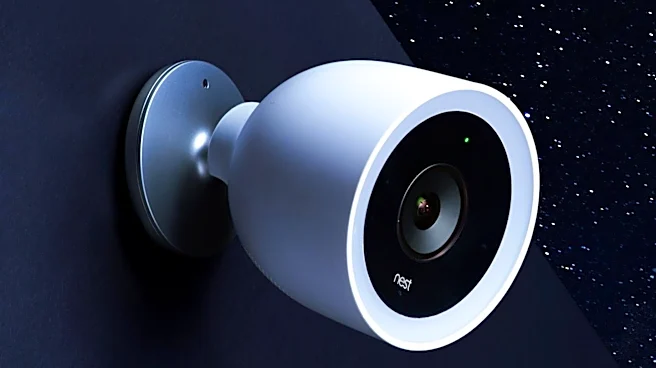
Tapo is providing DIY home security systems that operate without mandatory monthly subscription fees. These systems, including the Tapo H200 and H500 hubs, allow users to self-monitor their homes with features such as AI-powered motion detection, local
video storage, and real-time app alerts. The H200 hub connects up to 64 IoT devices and up to four Tapo cameras or video doorbells, while the H500 supports up to 16 cameras and 64 sensors with built-in storage. All core functionalities, including live view, smart detection, and two-way audio, are available without additional costs. Footage is stored directly on microSD cards, which users purchase once, eliminating recurring cloud storage fees. Optional cloud storage, Tapo Care, is available for those who desire remote video backup and a 30-day video history, but it is not required for the system's primary functions.
Why It's Important?
This development is significant for U.S. consumers seeking cost-effective and flexible home security solutions. By eliminating monthly subscription fees, Tapo's systems offer a more affordable long-term option compared to many competitors that lock essential features behind recurring payments. This approach empowers homeowners with greater control over their security data and expenses, making advanced security technology more accessible. The emphasis on local storage addresses privacy concerns by keeping footage on-site, while AI detection helps reduce false alarms, improving the user experience. This model could disrupt the traditional home security market by shifting consumer preference towards self-monitored, subscription-free systems, potentially increasing competition and driving down costs across the industry.
What's Next?
Consumers can expect to see continued innovation in subscription-free home security options as companies like Tapo aim to capture market share. The trend towards DIY installation and self-monitoring is likely to grow, with manufacturers focusing on user-friendly interfaces and robust local storage solutions. The availability of optional cloud services will continue to cater to users who desire additional features like remote backup, but the core functionality without a subscription will remain a key selling point. This could lead to other security providers re-evaluating their pricing models and feature offerings to compete with the cost-effectiveness of subscription-free systems. The market may also see an increase in integrated smart home ecosystems that allow various devices to communicate without relying on third-party subscriptions.
Beyond the Headlines
The rise of subscription-free home security systems highlights a broader shift in consumer expectations regarding ownership and data control. In an era where many services are moving towards subscription-based models, Tapo's approach offers a counter-narrative, emphasizing upfront investment for long-term savings and data autonomy. This trend could influence other technology sectors, encouraging companies to offer more robust, one-time purchase options for their products. Ethically, local storage provides enhanced privacy by keeping sensitive video data within the user's control, reducing reliance on external servers and potential vulnerabilities. This model also fosters a sense of self-reliance among consumers, empowering them to manage their security needs independently without being tied to ongoing contracts.