







What's Happening?
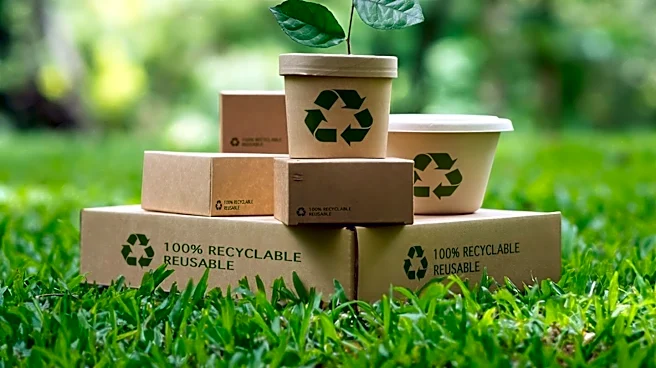
Companies in the United States are facing heightened scrutiny and potential legal challenges over their environmental claims, a practice known as greenwashing. Greenwashing occurs when companies exaggerate or mislead consumers about their environmental efforts
or the sustainability of their products. This can involve vague statements, incomplete context, selective disclosure, or claims that lack substantiation. Both current operational claims, such as a product being 'carbon-neutral,' and future commitments, like aiming for 'net-zero greenhouse gas emissions by 2040,' are being challenged. Courts are evaluating these claims based on factors such as timing, specificity, context, and supporting evidence. While third-party certifications and offsets can support decarbonization statements, they do not offer complete immunity from liability. The rise in consumer, state, and municipal challenges under state consumer protection laws indicates a growing demand for transparency and accuracy in corporate environmental communications.
Why It's Important?
The increased focus on greenwashing has significant implications for U.S. industries, particularly those making environmental claims. Companies risk legal action, reputational damage, and financial penalties if their sustainability statements are found to be misleading. This trend encourages businesses to adopt more rigorous processes for substantiating their environmental and social performance claims, moving beyond mere marketing rhetoric to verifiable achievements. It also empowers consumers and investors by providing a clearer framework for identifying genuine sustainability efforts versus deceptive practices. The legal framework being applied by courts, which considers the specificity and context of claims, will likely drive companies to be more precise and transparent in their disclosures, potentially shifting investment and consumer behavior towards truly sustainable products and services. This could lead to a more level playing field for companies genuinely committed to environmental stewardship.
What's Next?
Companies are expected to refine their sustainability communication strategies to align with stricter legal and consumer expectations. This will likely involve implementing more disciplined internal review processes for environmental claims, ensuring that all statements are supported by robust data and evidence. The development of clearer criteria for environmental terminology, as seen in international discussions, suggests that vague language will become less acceptable. Businesses may also increase their reliance on independent third-party verification and certification to bolster the credibility of their claims. Furthermore, the legal landscape is likely to evolve, with courts continuing to clarify how different types of environmental claims are assessed. Companies that fail to adapt to these changes could face ongoing legal challenges, increased regulatory oversight, and a loss of consumer trust, while those that embrace transparency and verifiable sustainability will likely gain a competitive advantage.
Beyond the Headlines
The crackdown on greenwashing extends beyond legal and financial implications, touching upon ethical and cultural dimensions of corporate responsibility. It highlights a broader societal shift towards demanding greater accountability from corporations regarding their environmental impact. This movement challenges the traditional marketing approach of using aspirational language without concrete backing, pushing for a culture of integrity in environmental reporting. The emphasis on verifiable evidence and clear communication could foster a more informed public discourse around sustainability, enabling consumers to make choices that genuinely align with their values. Ultimately, this trend could contribute to a more sustainable economy by incentivizing authentic environmental action and discouraging superficial claims, thereby influencing long-term shifts in corporate behavior and consumer expectations.