






What's Happening?
Emirates Airlines is incorporating Bulgari-scented essentials into its business class amenity kits. These kits are designed to be functional and fragrance-forward, focusing on grooming basics rather than offering a comprehensive spa experience. This approach
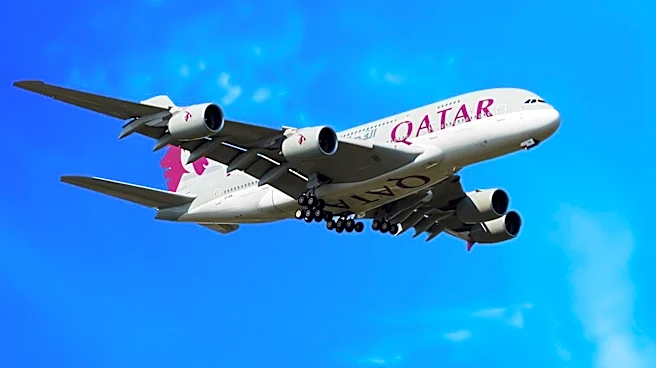
aligns with Emirates' overall strategy of providing large, entertainment-heavy cabins where the amenity kit serves as a supplementary offering. The inclusion of designer brands like Bulgari in amenity kits is a common practice among major airlines, with others such as Delta partnering with Missoni and Qatar Airways utilizing skincare lines tailored for long-haul hydration. The brand name and the contents of these kits are considered important indicators of an airline's priorities and the level of service it aims to provide to its premium passengers.
Why It's Important?
The use of luxury brands like Bulgari in airline amenity kits is a significant aspect of the competitive landscape in the premium travel sector. For U.S. travelers, particularly those flying business class on international routes, these amenities contribute to the overall perception of value and luxury. Airlines invest in these partnerships to enhance the passenger experience, differentiate their offerings, and build brand loyalty. The quality and branding of amenity kits can influence a passenger's decision-making, even if it's not the primary factor for booking. This trend reflects a broader industry focus on small details that collectively signal an airline's commitment to passenger comfort and luxury, impacting how U.S. consumers view and choose their international carriers.
What's Next?
Airlines are expected to continue their focus on enhancing the premium passenger experience through strategic partnerships and curated amenity offerings. The trend of incorporating high-end skincare, wellness products, and designer brands into amenity kits is likely to evolve, with airlines seeking new ways to differentiate themselves. Future developments might include more personalized amenity kits, environmentally conscious product selections, or collaborations with emerging luxury brands. Passengers can anticipate a continued emphasis on hydration and comfort-focused items, especially for long-haul flights, as airlines aim to combat the effects of cabin air and jet lag. The competitive nature of the airline industry will drive ongoing innovation in this area, with a constant effort to meet and exceed the expectations of business and first-class travelers.
Beyond the Headlines
The strategic use of luxury brand partnerships in airline amenity kits extends beyond mere comfort; it reflects a sophisticated marketing and branding strategy. These collaborations create a perception of exclusivity and attention to detail, subtly communicating an airline's brand values and commitment to a premium experience. For U.S. consumers, this translates into an expectation of quality and luxury even in seemingly minor aspects of travel. The choice of brands like Bulgari also taps into the psychological aspect of travel, where passengers associate these amenities with a higher standard of service and a more indulgent journey. This trend highlights the increasing importance of 'soft product' offerings in the airline industry, where the overall experience, including small touches, plays a crucial role in customer satisfaction and loyalty, influencing long-term market positioning and brand perception.