


What's Happening?
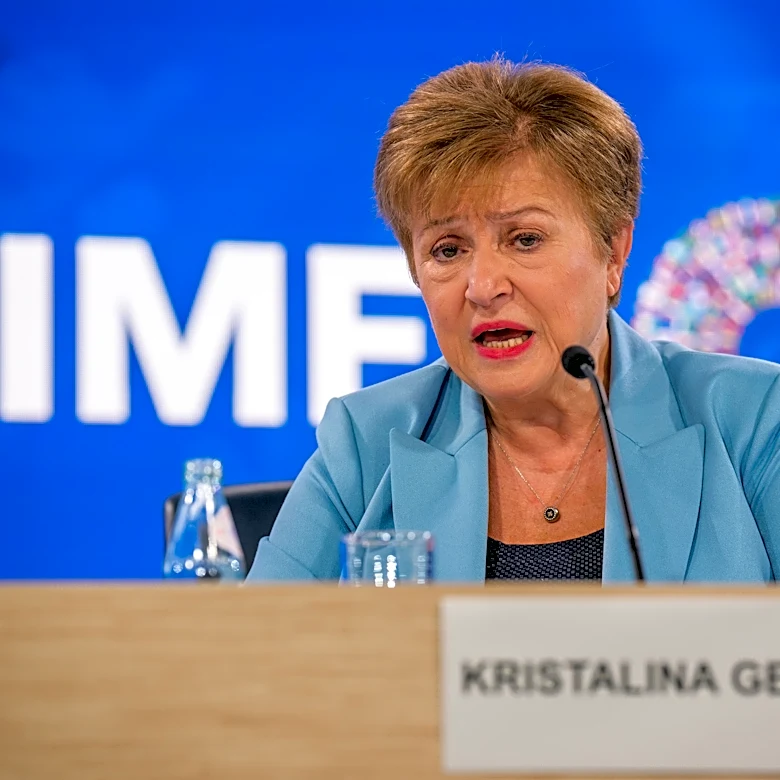
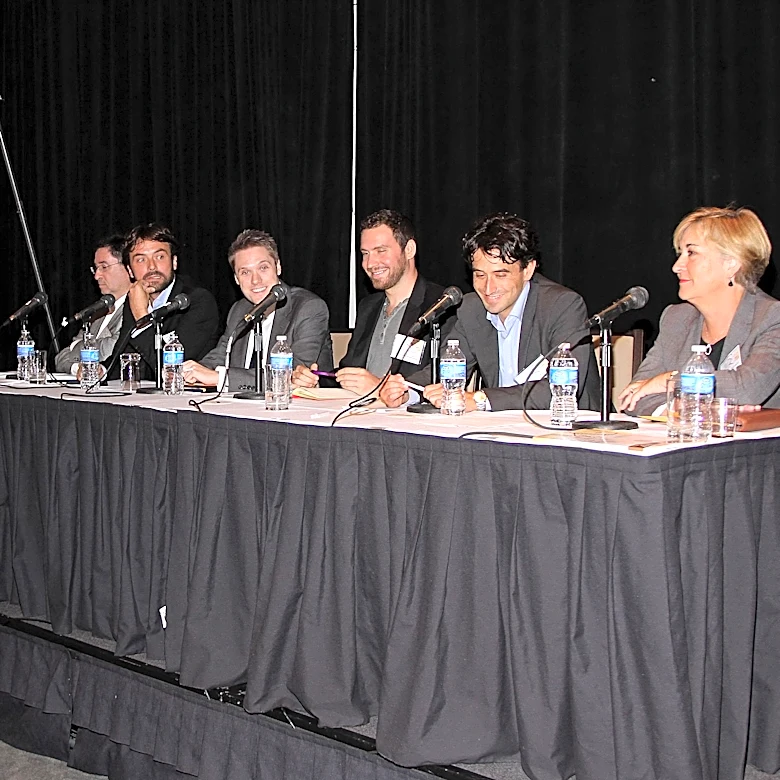
U. S. Steel President & CEO Dave Burritt participated in the B20 USA event, hosted by the U.S. Chamber of Commerce, where he addressed leaders from various business and political sectors. Burritt emphasized the critical role of steel in national security
and advocated for robust trade enforcement policies, specifically referencing Section 232, which has been supported by two presidents from different parties. He highlighted the significant investment from Nippon Steel, which aims to enhance U. S. Steel's capabilities and improve customer service through world-class steelmaking technology. Additionally, Burritt discussed the company's strategic adoption of Artificial Intelligence (AI), noting its primary application in improving worker safety. He expressed strong optimism for the future of U. S. Steel, citing new investments, advanced technology, and the company's foundational strength.
Why It's Important?
Burritt's remarks underscore the strategic importance of the steel industry to U.S. national security and economic stability. The discussion on trade enforcement, particularly Section 232, highlights ongoing concerns about global steel overcapacity and its potential impact on domestic producers. Strong trade policies are crucial for protecting American steelmakers from unfair competition and ensuring the industry's viability. The investment from Nippon Steel signifies a commitment to modernizing U.S. steel production, which could lead to technological advancements and increased competitiveness. Furthermore, the focus on AI for safety demonstrates a proactive approach to worker welfare and operational efficiency, potentially setting a precedent for other heavy industries. This integration of foreign investment and advanced technology is vital for the long-term health and innovation of the American manufacturing sector.
What's Next?
The continued emphasis on trade enforcement suggests that the U.S. government will likely maintain or strengthen policies designed to protect domestic steel production from global overcapacity. This could involve ongoing scrutiny of steel imports and potential adjustments to existing tariffs or quotas. The integration of Nippon Steel's investment and technology into U. S. Steel operations will likely lead to observable improvements in production processes and product quality, which could enhance the company's market position. The application of AI for safety within U. S. Steel may also serve as a model for broader adoption of AI in industrial settings, potentially leading to industry-wide safety improvements and efficiency gains. Future discussions at similar forums may continue to focus on the intersection of national security, trade policy, and technological innovation in key American industries.
Beyond the Headlines
The collaboration between U. S. Steel and Nippon Steel represents a broader trend of international partnerships aimed at bolstering critical industries within the U.S. This strategic alliance not only brings capital but also advanced technological know-how, which can accelerate the modernization of American manufacturing. The bipartisan support for Section 232 underscores a rare area of consensus in U.S. politics regarding economic nationalism and national security, suggesting that such protective measures may endure regardless of political shifts. The deployment of AI for safety, while practical, also touches upon ethical considerations regarding automation and the future of work in heavy industries. This move could pave the way for more widespread AI adoption, raising questions about workforce retraining and the evolving skill sets required in the industrial sector.