



What's Happening?
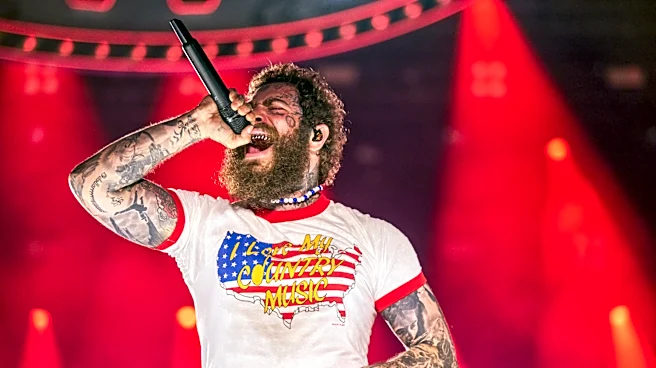
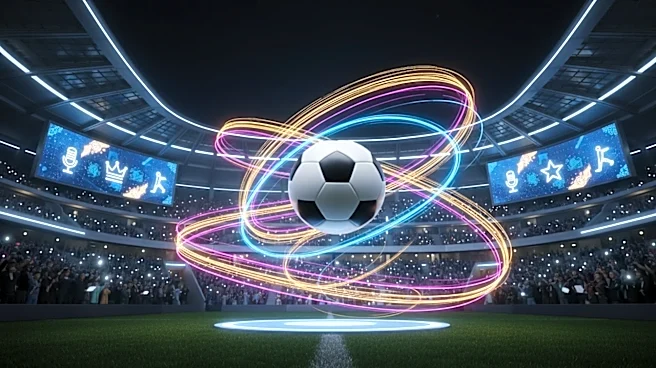
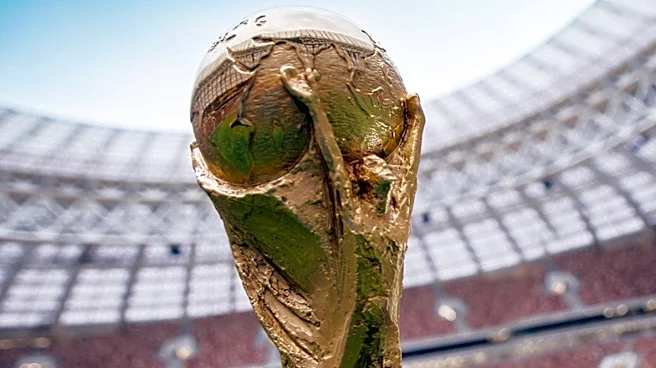
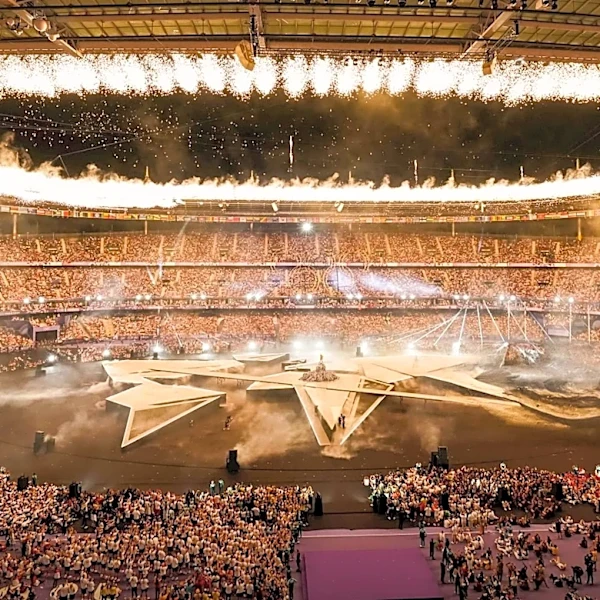
FIFA is set to introduce a Super Bowl-style halftime show during the 2026 World Cup Final, scheduled to take place at MetLife Stadium in New Jersey. The halftime interval will be extended from the traditional 15 minutes to 30 minutes to accommodate a star-studded
lineup of performers. The show will feature artists such as Justin Bieber, Madonna, Burna Boy, Shakira, Coldplay, and BTS, alongside characters from Sesame Street and The Muppets. Additionally, the event will include a 90-minute closing ceremony before the final match, with performances by Nicole Scherzinger, Robbie Williams, and others. The halftime show aims to support the FIFA Global Citizen Education Fund, which is raising funds for Venezuela following recent earthquakes.
Why It's Important?
The introduction of a Super Bowl-style halftime show at the World Cup Final marks a significant shift in how FIFA engages with its global audience, potentially setting a precedent for future tournaments. This move could enhance the entertainment value of the event, attracting a broader audience beyond traditional soccer fans. The extended halftime and additional performances may also increase advertising opportunities, benefiting broadcasters and sponsors. However, the change has sparked debate among soccer purists who are concerned about the impact on the game's flow and the potential commercialization of the sport. The initiative to support the FIFA Global Citizen Education Fund highlights the organization's commitment to leveraging its platform for social causes.
What's Next?
As the 2026 World Cup approaches, FIFA will need to address logistical challenges associated with the expanded halftime show, including stage setup and dismantling. The organization may face scrutiny from traditionalists and stakeholders concerned about the potential disruption to the game. Additionally, FIFA will likely continue to promote the event's charitable aspect, aiming to garner support for the Global Citizen Education Fund. The success of this initiative could influence future decisions regarding entertainment at major sporting events, potentially leading to more integrated entertainment experiences in sports.