








What's Happening?
Daily habits, ranging from social connections and laughter to reading and walking, are crucial for transforming mental health. Consistent self-care practices can prevent burnout, enhance coping mechanisms, and build mental health resilience. Small, regular
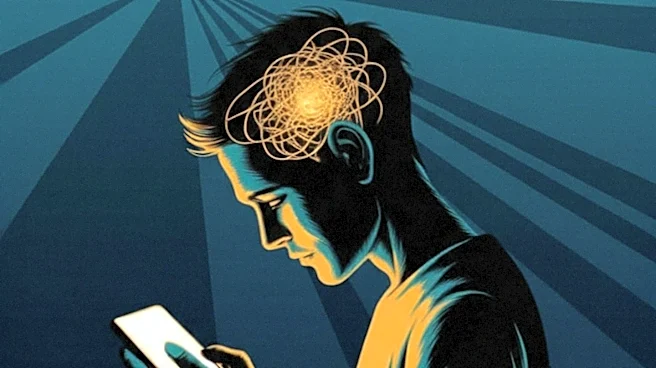
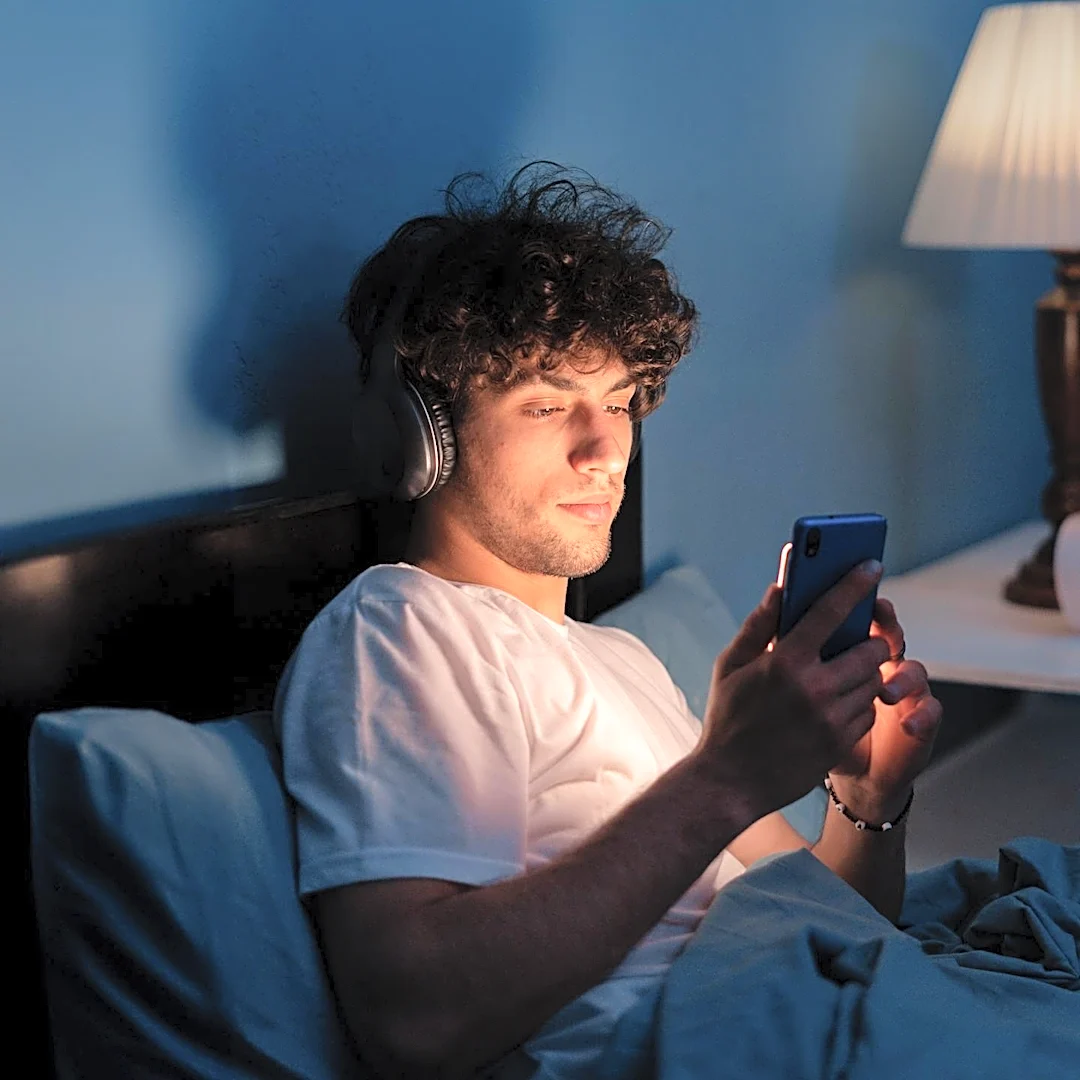
actions are more effective than infrequent, extensive routines. The source highlights that daily routines influence sleep, energy, and stress management capabilities. Certain habits can exacerbate feelings of nervousness or overwhelm, especially when maintained over weeks. Examples of such habits include immediately checking phones upon waking, excessive caffeine consumption, skipping meals, over-scheduling without breaks, procrastinating on uncomfortable tasks, maintaining irregular sleep schedules, and constant work connectivity outside of hours. These patterns can lead to increased anxiety, difficulty concentrating, and reduced overall well-being. The article emphasizes that while anxiety has various causes, examining daily routines is a practical starting point for improvement.
Why It's Important?
The impact of daily habits on mental health is significant for individuals across the U.S., affecting productivity, personal relationships, and overall quality of life. Unchecked anxiety stemming from poor daily routines can lead to decreased work performance, strained social interactions, and a general sense of exhaustion. For instance, constant work connectivity blurs the lines between professional and personal life, hindering recovery from daily demands. The pressure to be constantly productive, fueled by social media comparisons, can lead to feelings of inadequacy and guilt, even during leisure time. Addressing these habits can lead to improved sleep, better mood regulation, and enhanced concentration, benefiting both personal well-being and professional effectiveness. Recognizing and adjusting these patterns can empower individuals to take proactive steps towards better mental health, potentially reducing the societal burden of anxiety-related issues and improving public health outcomes.
What's Next?
Individuals are encouraged to begin by identifying when their anxiety intensifies and correlating it with their preceding activities. The recommendation is to select one habit that appears to contribute to anxiety and make a small, manageable adjustment. This gradual approach allows for observation of improvements in sleep, mood, or concentration. If anxiety symptoms persist or begin to interfere with work, relationships, or daily activities, seeking professional help from a mental health professional is advised. The emphasis is on sustainable behavioral change, building healthier habits gradually rather than attempting an immediate overhaul. This includes setting clear boundaries for work, incorporating short movement breaks, planning regular meals, and establishing consistent sleep schedules. The goal is to create a lifestyle that supports long-term mental well-being, acknowledging that life's challenges may disrupt routines, but consistency and flexibility are key.
Beyond the Headlines
The discussion extends beyond immediate habit changes to deeper implications for societal norms and individual well-being. The pervasive nature of digital connectivity and the 'always-on' work culture contribute significantly to anxiety, highlighting a broader societal challenge in balancing productivity with mental health. The article subtly critiques the pressure to constantly achieve and compare oneself to others, often exacerbated by social media, which can lead to a perpetual state of feeling 'behind.' This points to a need for a cultural shift towards valuing rest and personal time as much as productivity. Furthermore, the emphasis on small, sustainable changes underscores a more holistic and realistic approach to mental health, moving away from quick fixes towards long-term lifestyle integration. This perspective suggests that addressing mental health is not solely about clinical interventions but also about fostering environments and personal practices that support psychological resilience.