



What's Happening?
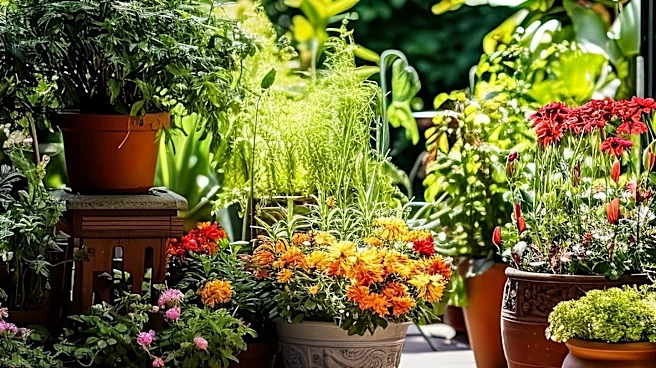
Container gardening is highlighted as a versatile and effective method for cultivating plants in USDA Zone 9, particularly on patios, porches, balconies, and entryways. This approach allows for the growth of various plants, including flowering perennials,
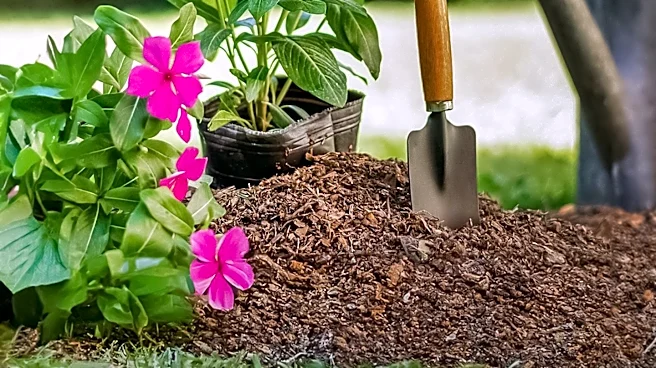
ornamental grasses, compact shrubs, and small trees. A significant advantage of container gardening in Zone 9 is its ability to circumvent specific soil issues, such as alkaline, waterlogged, or sandy conditions, which might otherwise hinder the growth of certain plants like gardenias, camellias, and Mediterranean herbs. However, container-grown plants demand more frequent watering compared to those in the ground due to the limited soil volume, which causes them to heat up and dry out faster. Even during the summer, planting in containers is feasible if the root systems are adequately hydrated. Workshops are available to provide practical tips for successful container gardening, focusing on best practices for pots and small spaces.
Why It's Important?
The importance of container gardening in Zone 9 stems from its adaptability to the region's diverse and often challenging environmental conditions. By enabling the cultivation of plants that are sensitive to local soil types, it expands horticultural possibilities for homeowners and gardeners. This method is particularly beneficial in urban settings or areas with limited garden space, offering aesthetic and functional solutions for various outdoor living areas. The need for diligent watering in containers underscores the critical role of water management in Zone 9, where summer heat can be intense. Understanding these specific requirements helps gardeners avoid common pitfalls and ensures plant health, contributing to successful landscaping and potentially reducing water waste through targeted irrigation. The availability of workshops further emphasizes the growing interest and need for specialized knowledge in this gardening technique.
What's Next?
Gardeners in Zone 9 are encouraged to consider container gardening as a primary solution for planting, especially when dealing with unsuitable native soil conditions or limited space. Future efforts will likely focus on educating gardeners about the specific watering and care requirements for container plants, particularly during the hot summer months. This includes promoting the use of quality potting mixes, ensuring adequate drainage, and selecting appropriately sized containers to mitigate rapid drying. Workshops and educational resources will continue to play a crucial role in disseminating best practices, such as daily checks for moisture levels and proper hydration techniques for container-grown plants. The ongoing development of plant varieties suitable for container life in Zone 9 will also be a key area, offering more options for diverse and resilient container displays.
Beyond the Headlines
The widespread adoption of container gardening in Zone 9 reflects a broader trend towards adaptable and resilient gardening practices in the face of changing climate patterns and urbanization. This method not only addresses immediate challenges like poor soil quality but also promotes sustainable gardening by allowing for precise control over soil composition and water usage. Ethically, it encourages resourcefulness by enabling the growth of a wider variety of plants in areas where traditional gardening might be difficult, fostering biodiversity even in constrained environments. Culturally, container gardening transforms otherwise unused spaces like balconies and patios into vibrant green areas, enhancing quality of life and connecting urban dwellers with nature. The emphasis on understanding specific microclimates and plant needs within Zone 9 highlights a shift towards more informed and localized gardening approaches, moving beyond generic guidelines to embrace the unique characteristics of each garden space.