





What's Happening?
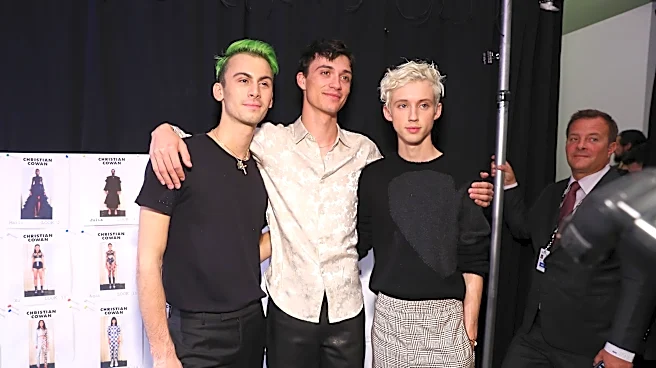
Sir Ian McKellen recently recounted a moment in 2010 when he offered comforting words to a teenage Troye Sivan. The two performers had worked together on a touring production of Samuel Beckett’s 'Waiting for Godot' in Australia. As they parted ways, McKellen told
Sivan, “Don’t you worry, Troye, it’s going to be alright.” This exchange was detailed in an interview with FourNine, conducted while McKellen was promoting his film 'Ebenezer,' where he plays Jacob Marley. The interview was subsequently reported by 'Attitude' on November 12. Sivan, who was a teenager at the time, had previously expressed in interviews that he considered confiding in McKellen about being gay but ultimately did not. McKellen reflected that he might have picked up a 'queer gay vibe' from Sivan, prompting his reassurance. The two artists have since collaborated again, with McKellen providing an opening voiceover for Sivan’s music video for the song 'Party' from the album 'She’s the Best,' a contribution also reported by the ABC.
Why It's Important?
This interaction highlights the significant role that supportive figures can play in the lives of young individuals, particularly those navigating their identity. McKellen's simple words of reassurance, even if not fully understood by Sivan at the time as direct advice, contributed to a supportive environment. For Sivan, being around older queer individuals like McKellen during a formative period provided hope and a sense of belonging, as he later shared with the ABC. This narrative underscores the broader societal importance of visible and affirming role models for LGBTQ+ youth. The continued collaboration between McKellen and Sivan, such as the voiceover for the music video, further demonstrates a lasting connection and mutual respect, reinforcing the idea that these early interactions can foster enduring professional and personal relationships within the entertainment industry and beyond.
What's Next?
While the immediate future holds no specific announced events directly stemming from this recollection, the story contributes to the ongoing public discourse surrounding LGBTQ+ representation and mentorship in the entertainment industry. The continued visibility of both Sir Ian McKellen and Troye Sivan, and their willingness to share such personal anecdotes, will likely continue to inspire and resonate with their respective fan bases and the broader LGBTQ+ community. Future projects involving either artist may draw renewed attention to their shared history and the themes of support and identity. The film 'Ebenezer,' which McKellen was promoting, will continue its distribution, and Sivan's music career will progress, potentially leading to further collaborations or discussions about their past interactions.
Beyond the Headlines
The deeper implication of this story lies in the subtle yet profound impact of intergenerational support within the queer community. McKellen's intuitive reassurance, even without explicit knowledge of Sivan's internal struggles, speaks to a shared understanding and empathy that often exists among LGBTQ+ individuals. This kind of unspoken affirmation can be crucial for young people grappling with their identity, providing a sense of safety and acceptance. The fact that Sivan remembered this moment and later sought McKellen's involvement in his music underscores the lasting psychological and emotional resonance of such gestures. It also highlights how public figures, through their actions and shared experiences, can inadvertently become beacons of hope and validation for countless others facing similar journeys, fostering a sense of community and reducing feelings of isolation.