







What's Happening?
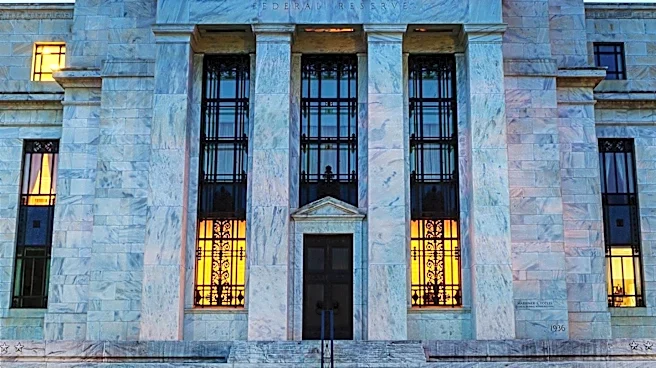
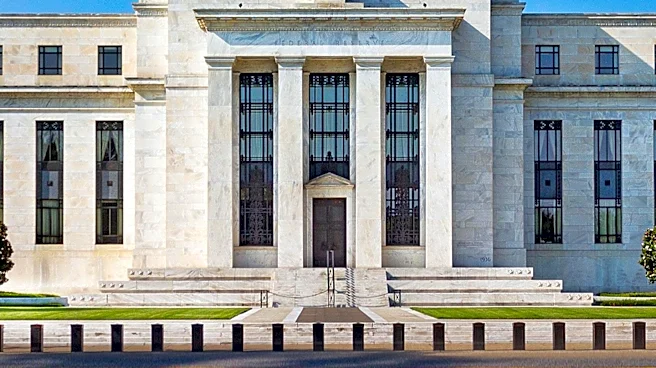
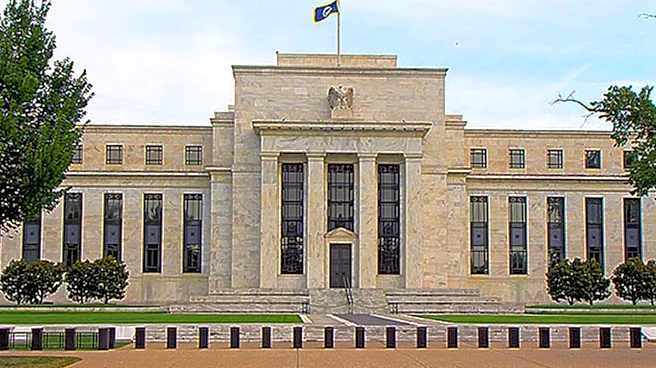
The Federal Reserve has announced the formation of five new task forces aimed at evaluating and recommending changes to its operations. These task forces are co-led by prominent figures such as venture capitalist Marc Andreessen, economist Raj Chetty,
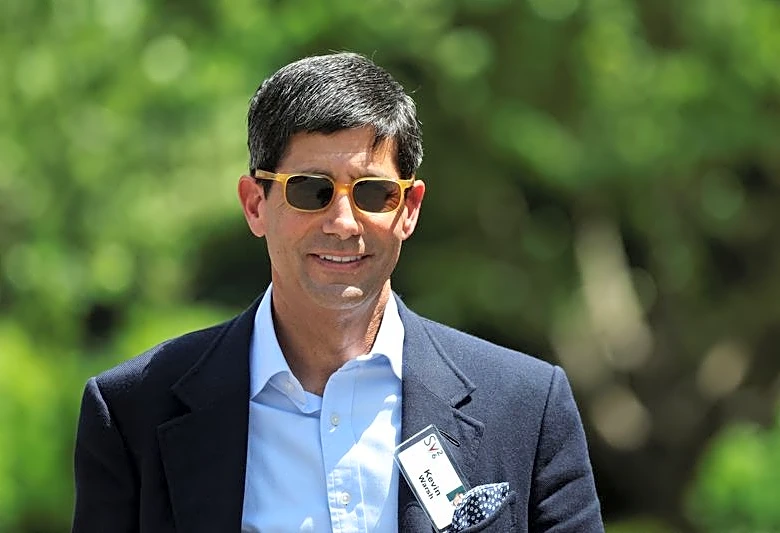
and former Bank of England governor Mervyn King. The initiative, spearheaded by Fed Chair Kevin Warsh, seeks to address the evolving U.S. economy and the central bank's role within it. Warsh, who previously advocated for a 'regime change' at the Fed, aims to reduce the central bank's $6.7 trillion holdings in government bonds and improve communication strategies. The task forces will focus on various aspects, including the impact of artificial intelligence on productivity and jobs, data evaluation, and the Fed's balance sheet. Each task force will be supported by Fed staff and include leaders from both the public and private sectors.
Why It's Important?
This development is significant as it reflects the Federal Reserve's proactive approach to adapting its policies and operations in response to the rapidly changing economic landscape. The involvement of high-profile leaders from diverse fields underscores the importance of integrating new technologies and data-driven insights into economic policymaking. The task forces' work could lead to substantial changes in how the Fed manages monetary policy, communicates with the public, and addresses economic challenges. This initiative may influence the Fed's strategies on interest rates, inflation control, and financial stability, potentially impacting businesses, investors, and the broader U.S. economy.
What's Next?
The task forces are expected to conduct thorough evaluations and present their findings and recommendations to the Federal Reserve. These recommendations could lead to policy shifts or operational changes within the central bank. Stakeholders, including policymakers, economists, and business leaders, will likely monitor the task forces' progress closely. The outcomes may prompt discussions on the future direction of U.S. monetary policy and the Fed's role in fostering economic growth and stability.