





What's Happening?
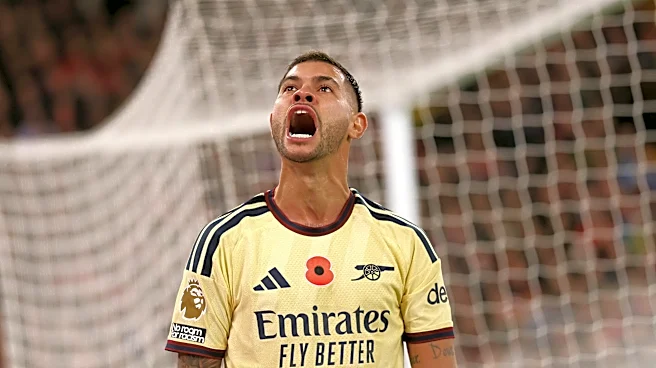
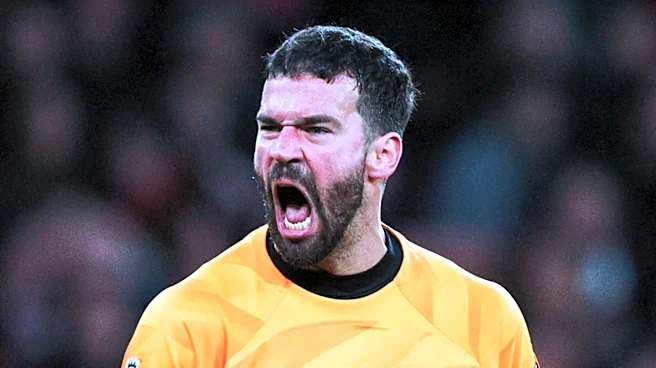
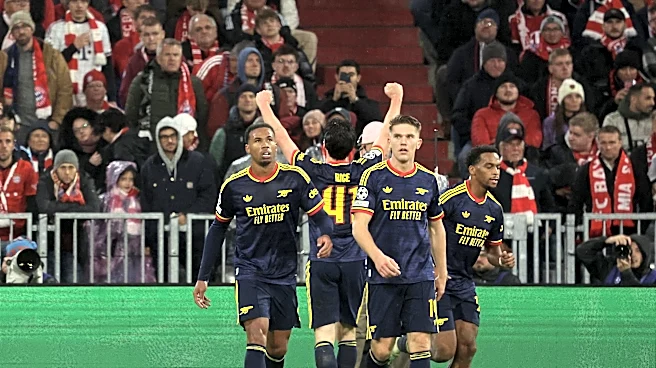
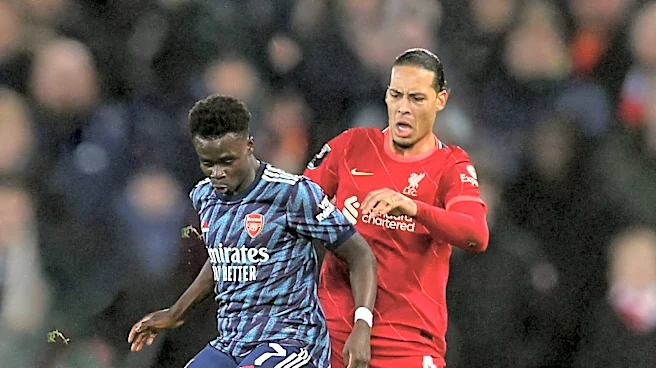
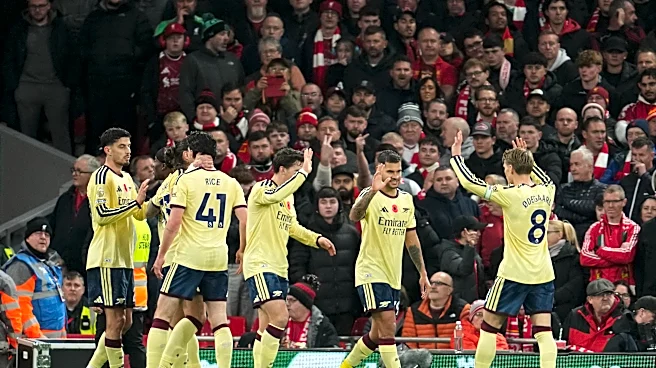
Liverpool captain Virgil van Dijk expressed significant frustration with VAR (Video Assistant Referee) decisions after his team's 1-0 defeat to Arsenal. The match saw Arsenal secure a narrow victory, with Kai Havertz scoring the sole goal. Van Dijk specifically
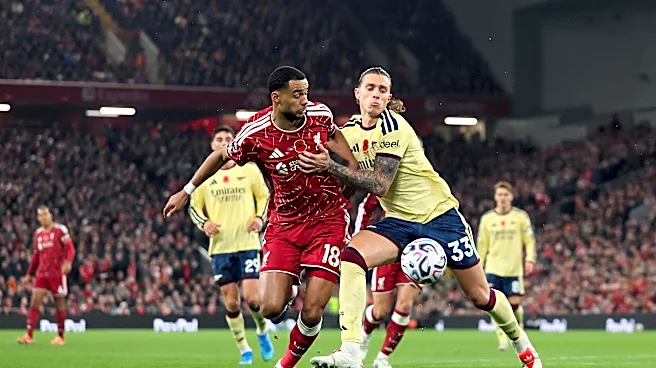
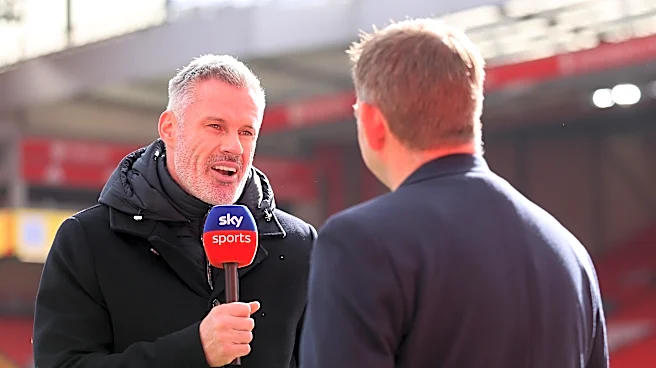
highlighted a controversial incident where Jurrien Timber appeared to grab Alexander Isak's shirt, preventing him from reaching a cross. Despite the clear foul, neither referee Andy Madley nor VAR intervened to award a penalty. Van Dijk questioned the effectiveness of VAR, pointing out the numerous cameras available and the lack of action taken by officials. He suggested that Isak should not have had to protest the foul for it to be recognized, implying that VAR should have identified and corrected the error independently. Liverpool legend Jamie Carragher echoed Van Dijk's sentiments, criticizing VAR for failing in its core responsibility to ensure fair play.
Why It's Important?
This incident underscores ongoing debates and concerns surrounding the implementation and consistency of VAR in professional soccer, particularly in high-stakes matches. Inconsistent application of VAR can directly influence game outcomes, potentially affecting league standings, team morale, and financial implications for clubs. For players like Van Dijk, who are at the forefront of these decisions, the perceived failures of VAR can lead to a loss of trust in the system and officiating. The controversy also highlights the pressure on referees and VAR officials to make accurate and timely decisions, especially when the technology is designed to minimize human error. The continued scrutiny of VAR's role in critical moments could prompt further discussions and potential adjustments to its protocols to ensure greater fairness and transparency in the sport.
What's Next?
The immediate aftermath of such a controversial decision often involves public and media discussion, with pundits and fans debating the call. While the match result stands, the incident could contribute to broader calls for a review of VAR protocols or increased accountability for VAR officials. Teams and managers may continue to voice their concerns, potentially leading to formal complaints or proposals for rule changes within football associations. The ongoing dialogue around VAR's effectiveness will likely persist, with each controversial decision adding to the pressure on governing bodies to refine the system. Future matches will undoubtedly see continued scrutiny of VAR interventions, as players, coaches, and fans seek greater consistency and clarity in its application.
Beyond the Headlines
The recurring issues with VAR extend beyond individual match results, touching upon the integrity of the sport itself. When technology designed to enhance fairness is perceived to fail, it can erode public confidence in football's officiating. This can have long-term implications for fan engagement and the perceived legitimacy of competitions. The debate also raises questions about the balance between human judgment and technological intervention in sports. While VAR aims to eliminate clear and obvious errors, its application often introduces new layers of controversy, suggesting a need for a more nuanced approach that considers the flow and spirit of the game. The psychological impact on players, who must contend with decisions that can feel arbitrary despite technological assistance, is also a significant, though often overlooked, aspect.