



What's Happening?
The premium bottled water market in the United States is experiencing rapid growth, driven by a cultural shift towards reduced alcohol consumption, particularly among younger generations. This trend is leading to increased demand for high-end bottled water products
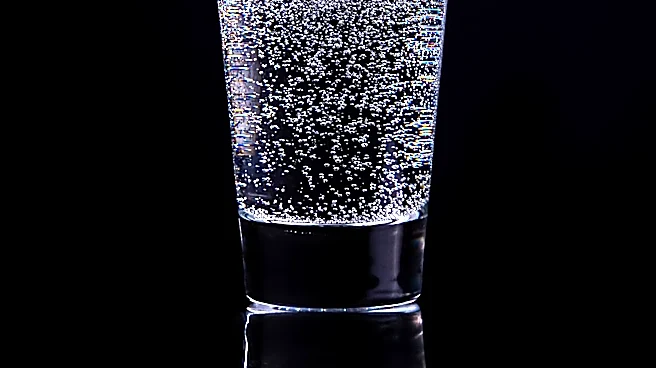
that offer unique flavors, distinctive packaging, functional ingredients, and differentiated brand experiences. Companies like Liquid Death, known for its water sold in aluminum cans with a skull design, are expanding their product lines to include low-calorie, caffeine-free carbonated water. Traditional premium brands such as Fiji, Perrier, Evian, and Voss are also seeing increased activity, alongside startups that are innovating with marketing strategies and production methods. For instance, Saratoga bottled water gained popularity through social media, with its parent company, Primo Brands, reporting a 32% increase in sales and a nearly 50% rise in shares after collaborating with sports stars. Air Water Ventures is another example, producing bottled water by extracting moisture from the air and supplying it to high-end venues.
Why It's Important?
This surge in the premium bottled water market signifies a notable change in U.S. consumer behavior and preferences, particularly among Gen Z and younger millennials. The decline in alcohol consumption, as evidenced by a 5% drop in total alcohol consumption last year according to IWSR, is redirecting consumer spending towards non-alcoholic alternatives. This shift creates new market opportunities for beverage companies to innovate and cater to health-conscious and lifestyle-oriented consumers. The emphasis on unique branding, functional benefits (like added protein or collagen), and even gastronomic experiences (such as water sommeliers in restaurants) indicates a premiumization of everyday hydration. This trend could impact the broader beverage industry, potentially leading to increased competition and innovation in the non-alcoholic sector, while also influencing marketing strategies to appeal to a demographic that values health, wellness, and distinctive brand identities.
What's Next?
The premium bottled water market is projected to continue its rapid expansion, with global market research firm Grand View Research anticipating a doubling in market size to $45.2 billion by 2033. This growth suggests ongoing innovation in product development, marketing, and distribution channels. Companies are likely to further explore functional water options, unique packaging designs, and targeted marketing campaigns to capture the attention of younger consumers. The role of social media and influencer collaborations is expected to remain crucial in driving brand visibility and consumer engagement. Additionally, the concept of water sommeliers and curated water menus in high-end restaurants may become more widespread, further elevating bottled water to a luxury item and a component of fine dining experiences. This trend could also prompt traditional beverage companies to diversify their portfolios to include more premium non-alcoholic options.
Beyond the Headlines
The rise of the premium bottled water market reflects deeper societal shifts beyond mere beverage consumption. It highlights a growing emphasis on health and wellness, particularly among younger demographics who are increasingly opting for sober or sober-curious lifestyles. This movement challenges traditional social norms surrounding alcohol consumption and redefines what constitutes a 'premium' or 'luxury' beverage. The focus on sustainability, as seen with brands like Liquid Death using aluminum cans, also points to evolving consumer values regarding environmental impact. Furthermore, the emergence of water sommeliers and specialized water menus suggests a cultural appreciation for the nuances of water, akin to wine or coffee connoisseurship. This trend could lead to a broader re-evaluation of everyday consumables, transforming them into experiences rather than just necessities, and potentially influencing product development across various consumer goods sectors.