


What's Happening?
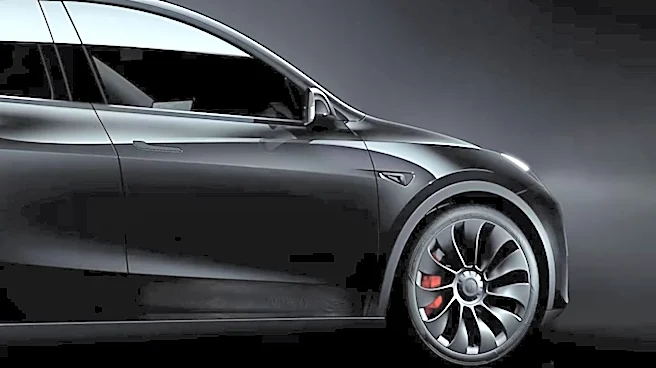
Tesla is broadening its vehicle offerings with the introduction of the Model YL and updated versions of the Model Y Standard and Model 3 Standard. The Model YL is designed to address the demand for a larger family vehicle, offering a more usable third
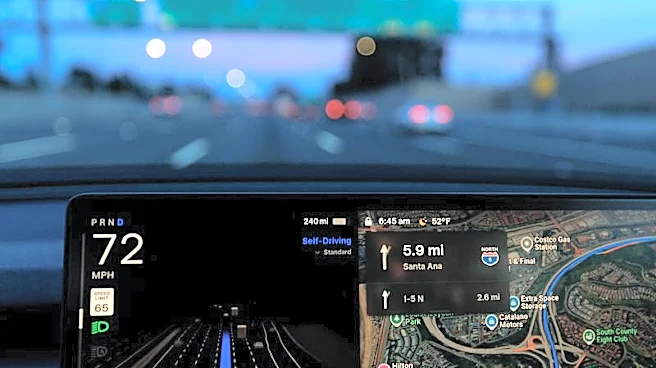
row for adults and teenagers compared to the standard Model Y. While it doesn't match the passenger or cargo space of minivans or large three-row SUVs, it presents a more affordable alternative to the Model X or Rivian R1S for families seeking three rows. The Model YL Launch Edition is priced around $61,990, with an anticipated price of approximately $53,000 after incentives. The Model Y Standard and Model 3 Standard also aim to provide more accessible and value-driven options. The Model 3 Standard, starting at $36,990, offers improved range and acceleration compared to its 2016 predecessor, along with Full Self-Driving capability. These new and updated models reflect Tesla's strategy to cater to a wider range of buyers, from families needing more space to entry-level shoppers seeking cost-effective electric vehicles.
Why It's Important?
This expansion of Tesla's vehicle lineup is significant for the U.S. automotive market, particularly within the electric vehicle (EV) segment. By introducing more accessible and family-oriented options, Tesla is directly responding to consumer feedback and market demands, potentially attracting a new demographic of buyers who previously found Tesla's offerings either too premium or lacking in space. The Model YL's competitive pricing against other three-row EVs could disrupt the market for larger electric SUVs, while the enhanced Model 3 Standard reinforces Tesla's position in the entry-level EV segment. This move could intensify competition among EV manufacturers, pushing rivals to innovate and offer more diverse and affordable electric options. For consumers, it means a greater selection of electric vehicles that cater to various needs and budgets, accelerating the adoption of EVs across the country. The focus on practicality and affordability, alongside Tesla's established technology, could solidify its market presence against emerging competitors.
What's Next?
The introduction of these new models is expected to further stimulate demand for Tesla vehicles, as evidenced by the Model YL being sold out for 2026, with deliveries not anticipated until March 2027. Tesla will likely continue to refine its pricing and feature sets based on market reception and competitive pressures. The company's strategy of offering more accessible options suggests a continued effort to capture a larger share of the mainstream automotive market. Competitors in the EV space will be closely monitoring Tesla's sales performance and market penetration with these new models, potentially leading to accelerated development and release of their own competitive offerings. The long-term impact will depend on how effectively Tesla can scale production to meet demand and maintain its technological edge while expanding into more diverse market segments.
Beyond the Headlines
This strategic shift by Tesla towards broader market appeal, moving beyond its initial premium focus, signifies a maturing EV market. It highlights a growing consumer expectation for electric vehicles that are not only technologically advanced but also practical, spacious, and affordable for everyday families. The emphasis on models like the Model YL, which addresses the 'family hauler' need, suggests a recognition that mass EV adoption requires meeting diverse lifestyle requirements. This development could also influence public policy discussions around EV incentives and infrastructure, as more accessible models make electric transportation a viable option for a larger portion of the population. The ongoing competition with both established automakers and newer EV players will likely drive further innovation in battery technology, charging infrastructure, and vehicle design, ultimately benefiting consumers and contributing to a more sustainable transportation ecosystem.