






What's Happening?
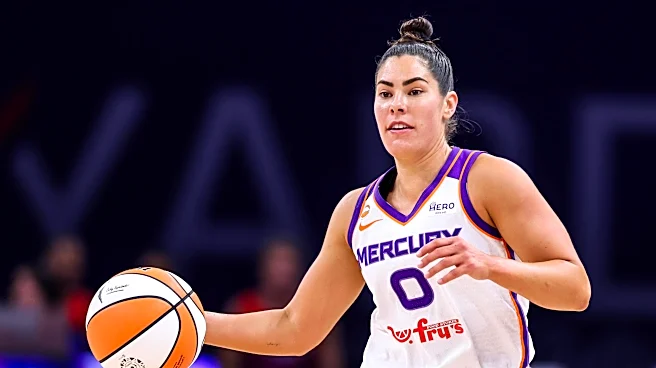
The Indiana Fever are confronting significant salary cap challenges as they prepare for the 2027 WNBA season. The team's projected salary cap of $7.91 million leaves limited room to retain key players and address roster needs. Star guard Kelsey Mitchell
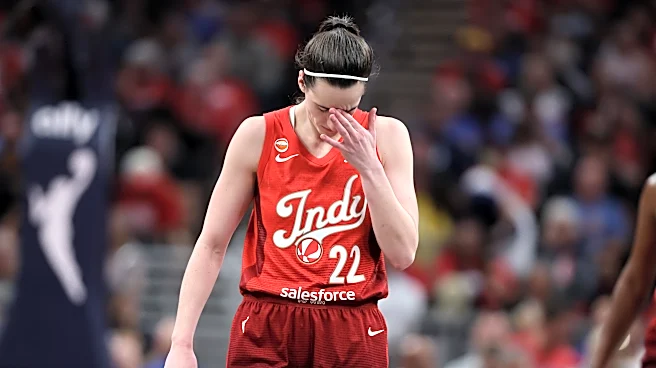
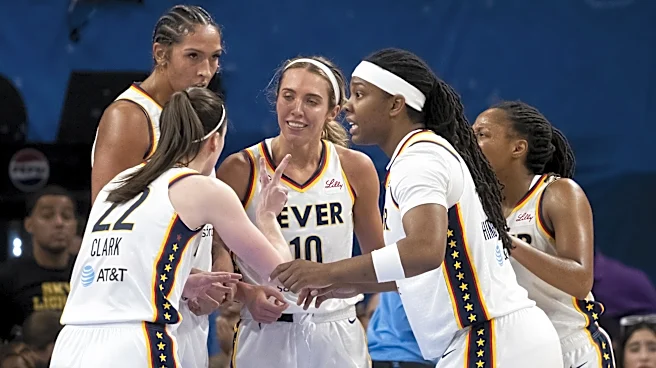
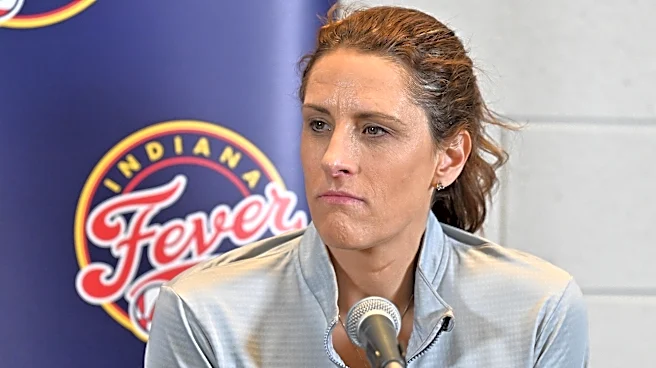
is an unrestricted free agent, and Caitlin Clark is eligible for a substantial raise. The Fever already have $4.676 million committed to seven players, leaving approximately $3.234 million for five additional players and Clark's potential raise. Max deals for both Mitchell and Clark are not feasible under the current cap, as it would push the team over the limit even with other players on minimum contracts. This financial constraint comes after a 2026 season where the Fever demonstrated strong offense but struggled defensively, allowing the fifth-most points per game. The team also recently experienced leadership changes, with team president Kelly Krauskopf stepping down and general manager Amber Cox being fired, adding another layer of complexity to their offseason strategy.
Why It's Important?
This salary cap dilemma is crucial for the Indiana Fever's future competitiveness and has significant implications for player retention and team building. The inability to offer max contracts to both Kelsey Mitchell and Caitlin Clark could force difficult choices, potentially leading to the departure of a star player like Mitchell, who has expressed a need to be 'selfish' in free agency. Such a departure would weaken the team's offensive firepower, which was a strength in 2026. Conversely, if Clark takes a pay cut, as she has hinted at, it could set a precedent for star players prioritizing team success over individual earnings, impacting player salary expectations across the league. The team's defensive weaknesses, highlighted by their high points allowed, necessitate strategic roster additions, but the tight cap space severely limits their ability to acquire defensive specialists. The ongoing search for a new general manager by Pacers Sports and Entertainment underscores the urgency of these decisions, as the new leadership will immediately face the challenge of navigating these financial and roster complexities to build a championship-contending team.
What's Next?
The Indiana Fever's immediate focus will be on appointing a new general manager, with a leader expected to be in place by December, ahead of January free agency. This new general manager will be tasked with navigating the complex salary cap situation and making critical decisions regarding Kelsey Mitchell's free agency and Caitlin Clark's contract extension. The team will need to determine if Mitchell will be offered a supermax deal and if Clark will indeed take a pay cut to allow for more roster flexibility. Potential moves could include trading players like Lexie Hull or Monique Billings to free up cap space, which could provide approximately $2.6 million. The outcome of these negotiations will dictate the team's ability to sign additional players, particularly those who can address their defensive shortcomings. The free agency market, featuring players like Jackie Young, Kelsey Plum, and Napheesa Collier, presents both opportunities and challenges, as the Fever might pursue other top free agents if Mitchell departs.
Beyond the Headlines
The Indiana Fever's salary cap predicament highlights a broader issue within professional sports regarding player compensation, team building, and the financial constraints imposed by league rules. The tension between a player's market value and a team's ability to retain talent under a fixed salary cap often forces difficult decisions that can impact team loyalty and player movement. Kelsey Mitchell's assertion of needing to be 'selfish' in free agency reflects the economic realities faced by athletes, particularly in leagues where salary caps can limit earning potential. The situation also underscores the strategic importance of front office leadership, as the new general manager will not only manage player contracts but also shape the team's culture and long-term vision. The outcome of these decisions could influence how other WNBA teams approach their own salary cap management and player negotiations, potentially leading to shifts in player movement and team construction strategies across the league.