


What's Happening?
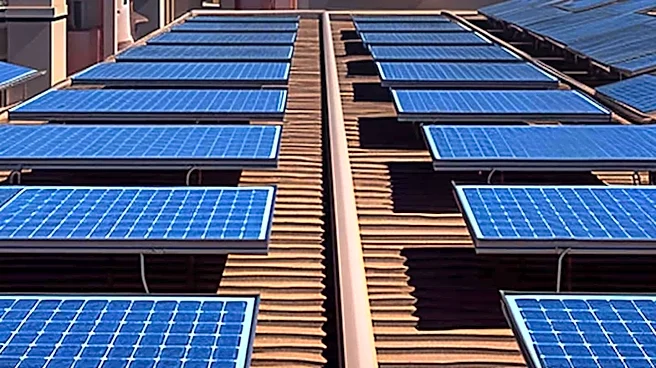
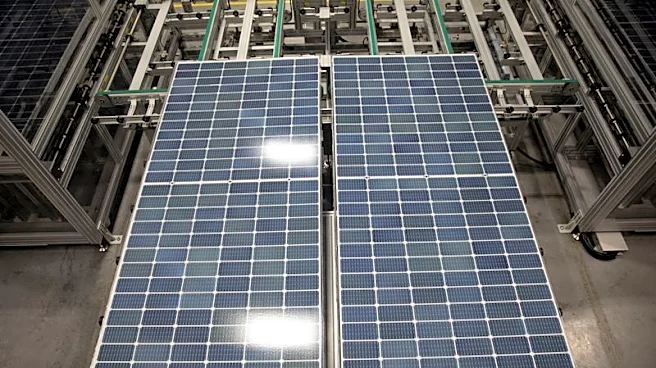
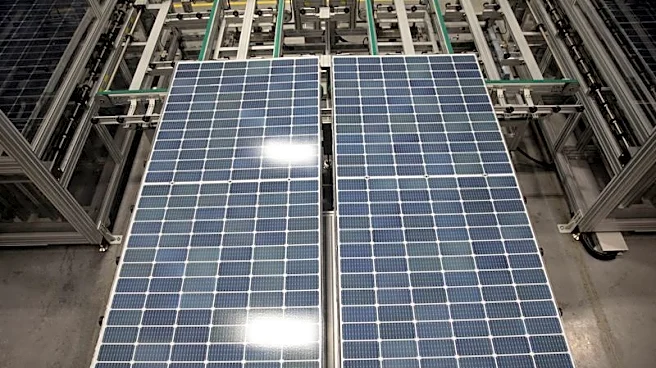
The United States has announced a 15% tariff on polysilicon and related products, targeting China's dominance in materials crucial for solar panels and semiconductor manufacturing. This decision, signed by President Trump, includes establishing price
floors to protect domestic manufacturers and curb imports from China. Commerce Secretary Howard Lutnick emphasized the need for a secure domestic supply chain to ensure the US can produce semiconductors independently. The move is part of a broader strategy to create a protected domestic market, allowing US producers to compete without global distortions.
Why It's Important?
This tariff is a significant step in the ongoing trade tensions between the US and China, particularly in the technology and renewable energy sectors. By imposing tariffs and price floors, the US aims to bolster its domestic manufacturing capabilities and reduce reliance on Chinese imports. This could lead to increased investment in US-based production facilities, potentially creating jobs and fostering innovation in the semiconductor and solar industries. However, it may also escalate trade disputes with China, affecting global supply chains and international relations.
What's Next?
The tariff will take effect after 120 days, giving businesses time to adjust their supply chains and sourcing strategies. The US government may face diplomatic negotiations with China, as these measures could provoke retaliatory actions. Additionally, the policy's impact on domestic industries will be closely monitored, with potential adjustments based on economic outcomes and international responses.