








What's Happening?
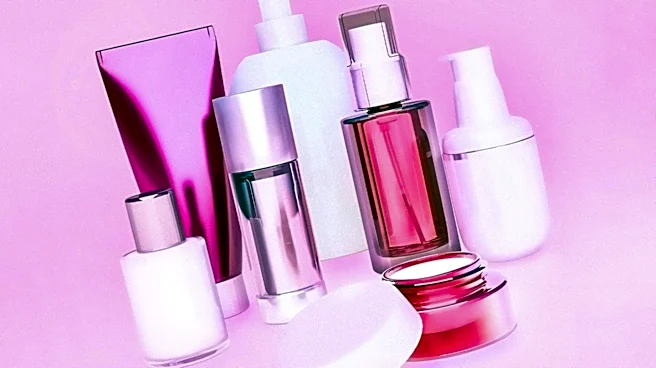
The beauty industry is grappling with the environmental impact of cosmetic packaging, specifically the choice between glass and plastic. Life cycle assessments consistently show that single-use glass often has a heavier environmental footprint than comparable
plastic, primarily due to its greater weight. This weight significantly impacts transport emissions and the energy required for manufacturing. However, glass's environmental performance improves dramatically when it is reused, contains more recycled content (cullet), or is shipped efficiently. Studies, predominantly from the food and beverage sector, indicate that glass bottles need to be reused multiple times to be environmentally comparable to plastic. For instance, a UK soft drink study found glass bottles required at least three reuses to match aluminum cans and PET bottles. The European Union's Packaging and Packaging Waste Regulation (PPWR), effective August 2026, is pushing brands towards lighter, recyclable packaging, regardless of material. In the U.S., the glass container recycling rate was 31.3% in 2018, significantly lower than Europe's 82.2% in 2024.
Why It's Important?
This debate is crucial for the U.S. beauty industry as it navigates increasing consumer demand for sustainable products and potential future regulations mirroring European standards. The choice of packaging material directly impacts a brand's environmental footprint, supply chain logistics, and public perception. Brands that fail to address these concerns risk reputational damage and may face compliance challenges. The lower recycling rates in the U.S. for glass mean that its environmental benefits, particularly reusability, are less realized compared to regions with robust recycling infrastructures. This disparity could lead to U.S. brands favoring plastic if not for the growing emphasis on reuse and higher recycled content. The industry's ability to innovate in lightweighting glass and increasing post-consumer recycled (PCR) content in plastic will be vital for meeting sustainability goals and remaining competitive. This issue also highlights the need for improved recycling infrastructure and consumer participation in the U.S. to maximize the environmental benefits of both materials.
What's Next?
U.S. beauty brands will likely intensify efforts to lightweight glass packaging and increase the use of cullet, while plastic packaging will see a push for higher PCR content to meet evolving sustainability targets. The industry may also invest more in refillable packaging systems, encouraging consumer participation to achieve the environmental benefits of reuse. Given the regulatory trends in Europe, U.S. policymakers might consider similar Extended Producer Responsibility (EPR) laws and recycled content mandates, which would significantly reshape packaging design and material choices. Brands will need to provide transparent data on their packaging's environmental performance, moving beyond generic sustainability claims to specific metrics on weight, recycled content, and reuse rates. Collaboration between brands, suppliers, and recycling facilities will be essential to improve collection rates and processing capabilities for both glass and plastic in the U.S.
Beyond the Headlines
The glass versus plastic debate in cosmetic packaging extends beyond mere material choice, touching upon broader ethical and systemic issues. It underscores the complexity of true sustainability, revealing that a material's 'green' status is highly dependent on its entire life cycle, from production to disposal and reuse. The disparity in recycling rates between regions highlights global inequalities in infrastructure and consumer behavior, suggesting that environmental responsibility is not solely a brand's burden but a societal one. This discussion also challenges the aesthetic preference for heavy, luxurious glass packaging, pushing the industry towards designs that prioritize environmental performance. Ultimately, the shift towards data-driven packaging decisions and the emphasis on reuse over single-use consumption could catalyze a fundamental rethinking of product design, supply chains, and consumer engagement in the beauty sector, fostering a more circular economy.