





What's Happening?
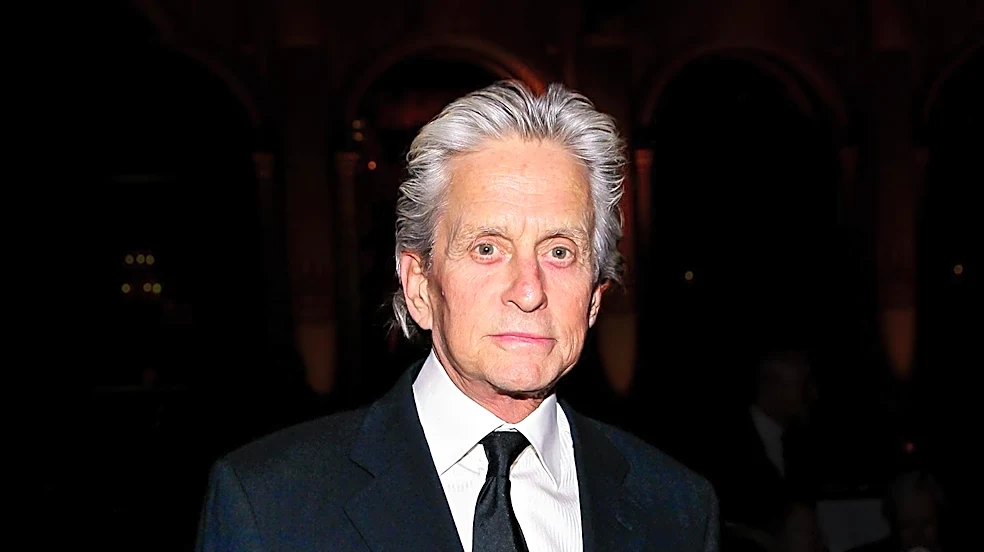
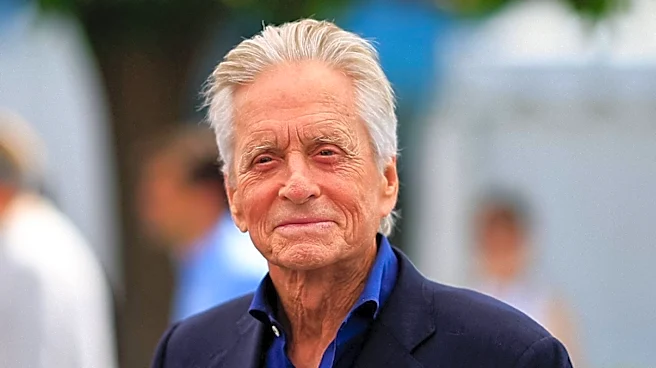
Actor Michael Douglas has revealed that he wished for his character, Dr. Hank Pym, to be killed off after the second 'Ant-Man' film, but Marvel Studios did not permit it. Douglas, who debuted as Hank Pym in 2015's 'Ant-Man,' reprised his role in 'Ant-Man And
The Wasp,' 'Avengers: Endgame,' and 'Ant-Man And The Wasp: Quantumania.' During an appearance on Josh Horowitz’s 'Happy Sad Confused' podcast, Douglas stated, 'I would have been killed off after the second one, but they wouldn’t let me.' He explained that after overcoming cancer and playing Liberace, he sought new acting experiences, including green-screen movies. Douglas found green-screen acting challenging, noting the reliance on imagination to visualize the final product. Despite his desire for an exit, Marvel has kept his character alive within the Marvel Cinematic Universe.
Why It's Important?
This situation highlights the significant control major studios like Marvel exert over actor contracts and character arcs within expansive cinematic universes. For actors, long-term commitments to franchises can limit opportunities for other diverse roles and creative pursuits, as Douglas's comments suggest. The studio's decision to retain characters, even against an actor's wishes, underscores the commercial value of established roles and the interconnected nature of the Marvel storyline. This practice can lead to actors feeling creatively constrained, but it also ensures continuity and fan engagement across multiple films. The power dynamic between actors and studios in large franchises remains a critical aspect of Hollywood's operational model, influencing career trajectories and creative freedom.
What's Next?
While Michael Douglas's character, Hank Pym, has not been confirmed for future 'Avengers' installments like 'Avengers: Doomsday,' the actor's past experiences suggest that Marvel may still have plans for him. In the Marvel Cinematic Universe, character deaths are not always permanent, leaving open possibilities for returns through various narrative devices. Douglas's continued involvement, even if in a limited capacity, could be influenced by future storyline needs or contractual obligations. The studio's strategy often involves maintaining a roster of established characters to draw upon for new narratives or cameos, ensuring a rich and familiar universe for audiences. Future announcements regarding upcoming Marvel projects will clarify the fate of Hank Pym and Douglas's potential involvement.
Beyond the Headlines
The ongoing discussion about actor longevity in superhero franchises raises broader questions about artistic freedom versus corporate control in the entertainment industry. Actors like Michael Douglas, with decades of diverse experience, may find themselves in a unique position where their creative desires conflict with the demands of a massive franchise. This tension reflects a shift in Hollywood, where intellectual property often takes precedence over individual artistic expression. The financial success of these cinematic universes incentivizes studios to maintain continuity and leverage popular characters, potentially leading to extended commitments for actors. This dynamic can influence how actors approach future roles, balancing the allure of blockbuster success with the desire for varied and challenging work outside of established franchises.