




What's Happening?
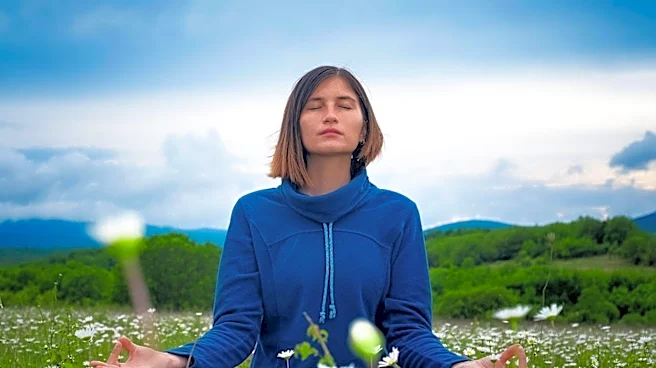
Luxury wellness experiences are expanding beyond conventional spa treatments to offer more immersive and holistic self-care rituals. Travelers are increasingly seeking experiences that integrate ancient healing traditions, mindful movement, nature immersion,
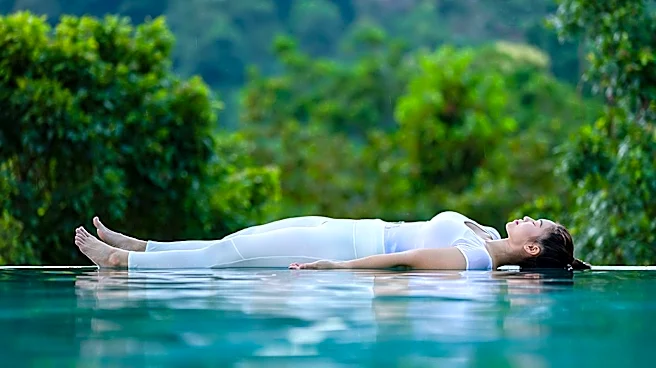
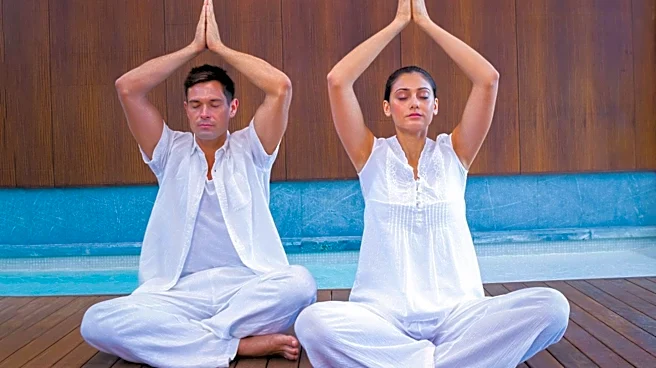
and contemporary wellness practices. Examples include forest bathing in silent natural surroundings, sound meditation beside rivers using Tibetan singing bowls, traditional Turkish Hammam rituals, and integrative wellness journeys combining Ayurveda, yoga, and Tibetan medicine. These offerings are designed to provide opportunities for individuals to disconnect from daily routines and focus on physical and mental restoration. Properties like The Oberoi Sukhvilas Resort & Spa, Six Senses Vana, and Ananda in the Himalayas are leading this trend by offering personalized wellness programs, guided activities, and unique natural settings to enhance the self-care journey.
Why It's Important?
This evolution in luxury wellness reflects a growing societal emphasis on mental and physical well-being, moving beyond superficial pampering to deeper, more meaningful self-care. For the hospitality industry, this trend opens new revenue streams and allows for differentiation in a competitive market. Hotels and resorts that can offer unique, authentic, and personalized wellness experiences are likely to attract a discerning clientele willing to invest in their health. This shift also impacts related industries, such as organic food and beverage suppliers, wellness technology providers, and specialized practitioners, as demand for their services grows. Furthermore, it highlights a broader cultural movement towards mindfulness and a desire to reconnect with nature, influencing consumer choices across various lifestyle sectors.
What's Next?
The luxury wellness sector is expected to continue innovating, with more resorts and hotels integrating advanced scientific approaches alongside traditional practices, such as longevity-focused programs and biohacking therapies. There will likely be an increased demand for highly personalized wellness itineraries tailored to individual health goals and preferences. Technology will play a greater role in enhancing these experiences, from wearable devices tracking biometric data to virtual reality for guided meditations. We can also anticipate a rise in wellness tourism packages that combine travel with specific health objectives, such as detox retreats, stress management programs, or spiritual journeys. The industry will also likely see more collaborations between hospitality brands and medical or wellness experts to offer specialized, credible programs.
Beyond the Headlines
The shift towards holistic luxury wellness experiences signifies a deeper societal recognition of the interconnectedness of physical, mental, and spiritual health. It challenges the traditional view of luxury as purely material indulgence, repositioning it as an investment in personal well-being and longevity. This trend also raises questions about accessibility, as these high-end experiences remain exclusive, potentially widening the gap in health and wellness opportunities. Ethically, there's a growing need for authenticity and qualified practitioners to ensure these experiences deliver genuine benefits rather than just being fashionable trends. Culturally, it reflects a global convergence of ancient wisdom and modern science in the pursuit of optimal living, influencing how individuals perceive and prioritize self-care in their daily lives.