





What's Happening?
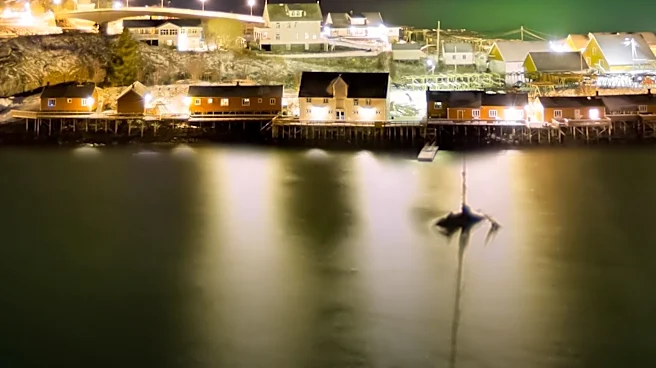
Tromsø, Norway, located within the Arctic Circle, has established itself as a leading global destination for observing the Northern Lights. The city's Northern Lights season commences in October, allowing autumn visitors to witness the Aurora Borealis
even before significant snowfall. While sightings are not guaranteed due to the natural phenomenon's dependence on aurora activity, cloud cover, and local weather, Tromsø provides various tour options to maximize viewing opportunities. These include small-group minibus chases that adapt routes based on weather conditions and larger bus tours to private Aurora Camps equipped with amenities. Beyond aurora hunting, Tromsø offers a range of snow-free autumn activities such as dog sledding on wheels, whale watching (starting late October/November), reindeer encounters combined with Sámi cultural experiences, fjord cruises, and visits to local attractions like the Fjellheisen Cable Car and Polaria Arctic experience center. These activities cater to visitors seeking diverse Arctic experiences during the transitional months of October and November.
Why It's Important?
The promotion of Tromsø as an autumn destination for Northern Lights and other Arctic activities highlights a growing trend in seasonal tourism, extending the economic benefits beyond traditional winter months. This strategy diversifies the tourism offerings, attracting a broader range of visitors who might prefer milder temperatures and unique experiences like dog sledding without snow. For the U.S. tourism market, this provides an attractive option for travelers seeking unique natural phenomena and cultural immersion in a less crowded period. The emphasis on flexible tour options and varied activities caters to different traveler preferences, potentially increasing visitor satisfaction and repeat visits. Furthermore, the focus on sustainable tourism practices, such as silent whale watching with electric propulsion, aligns with increasing global environmental consciousness, appealing to eco-conscious travelers and setting a precedent for responsible tourism development in sensitive Arctic regions.
What's Next?
Tromsø is expected to continue refining its autumn tourism offerings, potentially introducing new activities or enhancing existing ones to cater to the increasing demand for unique Arctic experiences. Tour operators will likely continue to leverage flexible strategies, such as dynamic route planning for Northern Lights chases, to adapt to unpredictable weather conditions and maximize visitor satisfaction. The region may also see further development in infrastructure and services to support the growing influx of tourists during the shoulder seasons. Marketing efforts will likely focus on highlighting the distinct advantages of visiting in October and November, such as fewer crowds, unique landscapes, and the combination of aurora viewing with other snow-free activities. Additionally, there could be increased collaboration between local businesses and tourism boards to create comprehensive packages that showcase the full spectrum of autumn Arctic adventures, further solidifying Tromsø's position as a year-round Arctic destination.
Beyond the Headlines
The success of Tromsø in promoting autumn tourism for Northern Lights viewing and other activities points to a broader shift in how destinations are adapting to climate patterns and diversifying their appeal. As traditional winter seasons become less predictable due to climate change, destinations are exploring ways to extend their tourism seasons and offer experiences that are less dependent on specific weather conditions like heavy snowfall. This approach not only provides economic resilience for local communities but also encourages a more sustainable distribution of tourism throughout the year, reducing the pressure on peak seasons. The emphasis on cultural experiences, such as Sámi traditions, also underscores a growing demand for authentic and immersive travel that goes beyond mere sightseeing. This trend could influence other regions globally to re-evaluate their seasonal offerings and develop more adaptive and culturally rich tourism strategies.